US Treasury Warns Chinese AI Firms Amid Controversy Over Model Distillation
The US Treasury has issued warnings and potential sanctions against Chinese AI companies following allegations of intellectual property theft from Anthropic's AI model. The controversy raises critical questions about AI development practices and national security.
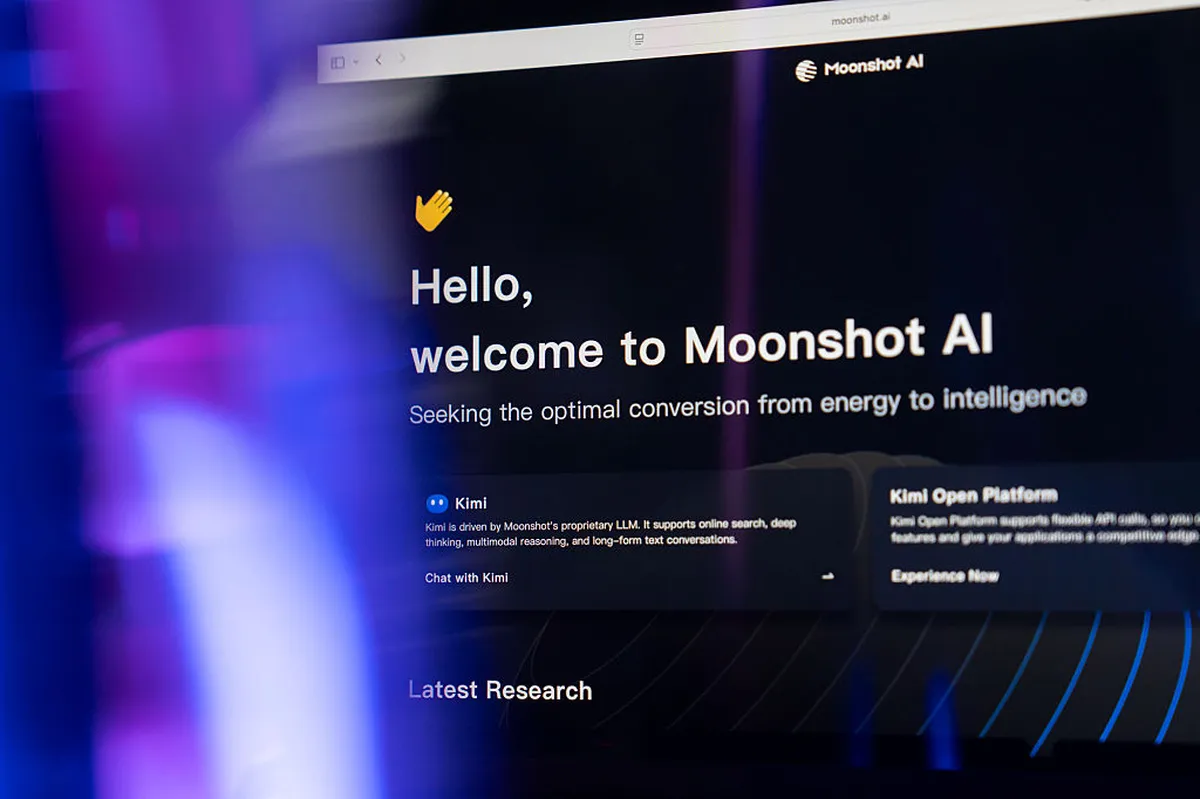
In a significant escalation of tensions between the United States and China in the field of artificial intelligence (AI), Treasury Secretary Scott Bessent has warned of possible sanctions against Chinese AI firms following allegations of intellectual property (IP) theft. This warning comes in the wake of claims made by a White House science and technology policy chief that the Beijing-based company Moonshot has improperly distilled Anthropic's AI model, Fable. The implications of this controversy extend beyond mere accusations; they raise crucial questions about the ethics of AI development, the protection of intellectual property, and the ever-evolving landscape of international tech competition.
Model distillation is a prevalent practice in AI where a smaller model learns from the outputs of a larger model, enabling more efficient training and deployment. While this technique can be legitimate, it also poses risks of infringing on intellectual property rights. Bessent’s statement on X (formerly Twitter) highlighted the delicate balance between fostering innovation through open-source methodologies and protecting American IP from potential exploitation by foreign entities. “Open source is not open season on American IP,” he stated, signaling the U.S. government’s readiness to take firm action against violations.
The Background of the Controversy
The controversy began when Michael Kratsios, a senior official in the White House's Office of Science and Technology Policy, accused Moonshot of engaging in large-scale distillation of U.S. AI models. According to Kratsios, Moonshot allegedly acquired Nvidia’s GB300-equipped servers and may have accessed additional resources in Thailand for training their AI models. The GB300 servers are part of Nvidia’s Blackwell generation, which are prohibited under U.S. export-control laws from being sold to Chinese companies. These allegations raise significant concerns about compliance with U.S. regulations and the broader implications for national security.
Understanding Model Distillation
Model distillation is a process aimed at enhancing the performance of AI systems by transferring knowledge from a larger, more complex model to a smaller, more efficient one. This technique allows developers to create models that are easier to deploy in various applications, from mobile devices to cloud environments. However, the ethical boundaries of this practice can become murky, particularly when it comes to proprietary models.
- IP Theft Risks: Distillation can lead to unauthorized replication of proprietary algorithms, creating a significant risk for companies that invest heavily in developing unique technologies.
- Competitive Advantage: The ability of firms to leverage distillation techniques can shift competitive dynamics, particularly in fast-paced sectors like AI.
- Legal Precedents: Existing legal frameworks may be inadequate to address the nuances of AI model development, leading to potential gaps in IP protection.

The Broader Implications for AI Development
This incident has broader implications for the entire AI ecosystem, particularly regarding the influx of Chinese open models into the market. Following the release of Moonshot's K3 model, which has been touted for its advanced capabilities, the potential for disruption in the U.S. AI landscape is palpable. Some experts argue that the rise of such models could undermine the business models of leading U.S. AI laboratories, which rely on significant capital investments to maintain their competitive edge.
Debate Over Chinese Open-Weight Models
The debate surrounding the use of Chinese open-weight AI models has intensified, with voices from within the U.S. government advocating for stricter regulations. Dean Ball, a former White House AI adviser and current Head of Strategic Futures at OpenAI, has suggested that the U.S. should consider restricting or effectively banning the use of these models. Proponents of this view argue that such measures are necessary to preserve America's technological advantage and mitigate potential national security risks associated with foreign technology.
The Role of Government and Regulation
The U.S. government is now faced with the challenge of navigating the rapidly evolving landscape of AI technology while ensuring that its policies align with national interests. The potential for sanctions against Chinese companies could serve as a deterrent against IP theft, but it also risks escalating tensions between the two superpowers, particularly in the tech sector. The Treasury's recent statements underscore the urgency of addressing these issues, as the implications of AI extend far beyond simple technological advancements to encompass economic, ethical, and geopolitical dimensions.
Potential Actions for Stakeholders
As the situation unfolds, various stakeholders—including AI developers, policymakers, and corporate leaders—must consider their positions. Here are some actions that can be taken:
- Compliance Monitoring: Companies should prioritize compliance with U.S. export control regulations and closely monitor their supply chains for potential risks.
- Legal Guidance: Engaging legal experts specializing in intellectual property rights can help firms navigate the complex landscape of AI development and ensure their practices adhere to legal standards.
- Advocacy for Fair Policies: Industry leaders can advocate for fair and equitable policies that foster innovation while safeguarding national interests.
Key Takeaways
- The U.S. Treasury is threatening sanctions against Chinese AI firms for alleged IP theft.
- Model distillation poses risks of violating intellectual property rights.
- The controversy raises questions about the future of U.S. AI competitiveness and national security.
- Stakeholders must prioritize compliance and ethical practices in AI development.
Frequently Asked Questions
What is model distillation in AI?
Model distillation is an AI training technique where a smaller model learns from the outputs of a larger model. This process helps improve efficiency and performance, allowing developers to deploy AI solutions in various applications more effectively. However, it can also lead to concerns about the unauthorized use of proprietary algorithms, particularly when the larger model is protected by intellectual property rights.
What are the potential consequences of U.S. sanctions on Chinese AI firms?
If the U.S. Treasury follows through with sanctions against Chinese AI companies, it could severely restrict their access to critical technologies and markets, significantly impacting their ability to compete. This could also escalate diplomatic tensions between the U.S. and China and potentially lead to reciprocal actions from the Chinese government, further complicating international trade relations in the tech sector.
How can companies protect their intellectual property in AI development?
Companies can protect their intellectual property by implementing robust legal frameworks, conducting regular compliance audits, and engaging with legal experts who specialize in intellectual property rights. Additionally, fostering a culture of ethical innovation and transparency can help mitigate risks associated with IP theft and ensure that companies maintain a competitive edge in the market.
Comments
The Implications of Dropped Social Media Addiction Lawsuit Against Meta
A recent social media addiction lawsuit against Meta has been dropped, following a tentative settlement involving Snap and other tech companies. This decision raises questions about accountability in the tech industry and the measures companies take to mitigate addictive features.

Related articles


Popular in Cybersecurity
- Federal Mandate for Autonomous Vehicles: A Call for Safety Compliance
- EU Mandates Google to Share Data and Open AI on Android: What It Means
- GitHub Revamps Bug Bounty Program: Implications for Developers and Security
- Australian Government Disables Thousands of Functional Broadband Routers: A Wasteful Decision
- Exploiting Redis: Understanding Zero-Day Vulnerabilities and Their Mitigation