Police Crack Down on Kratos Phishing Kit Targeting Microsoft 365 Users
Recent law enforcement actions have dismantled the Kratos phishing kit, designed to steal Microsoft 365 session tokens and bypass multi-factor authentication. This incident underscores the ongoing battle against identity theft and the importance of robust cybersecurity measures.
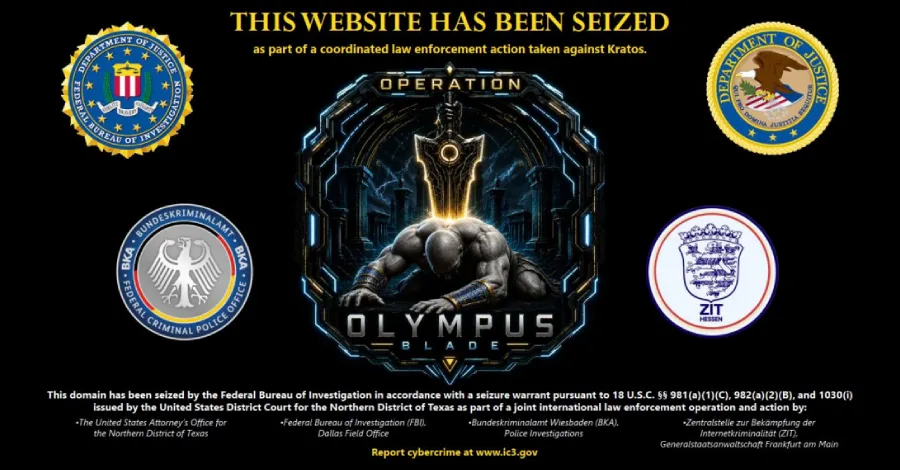
The digital landscape is fraught with threats, and recent actions by law enforcement highlight the ever-present dangers lurking online. In a significant move against cybercrime, police have dismantled the Kratos phishing kit, a sophisticated tool specifically designed to target Microsoft 365 users. This kit not only aimed to steal session tokens but also sought to bypass multi-factor authentication (MFA), a critical line of defense for many organizations. The implications of this event extend far beyond the immediate takedown; they illuminate the ongoing war between cybercriminals and cybersecurity experts, emphasizing the need for heightened awareness and robust protective measures.
As businesses increasingly rely on cloud-based services like Microsoft 365, the stakes have never been higher. The Kratos kit exemplifies the lengths to which cybercriminals will go to exploit vulnerabilities and gain unauthorized access to sensitive information. With MFA becoming a standard security practice, attackers are now innovating to find ways around it. This article delves into the details surrounding the Kratos phishing kit, the implications for organizations, and actionable steps that businesses can take to safeguard themselves against such threats.
The Rise of Phishing Kits: Understanding the Threat Landscape
Phishing has long been one of the most prevalent forms of cybercrime, where attackers deceive users into providing sensitive information by masquerading as trustworthy entities. The Kratos phishing kit represents an evolution in phishing tactics, specifically tailored to exploit Microsoft 365's authentication mechanisms.
These kits are not only easy to use but also come equipped with a range of features that streamline the phishing process. For example, the Kratos kit was designed to:
- Steal session tokens: Once attackers gain access to session tokens, they can impersonate users without needing to bypass MFA completely.
- Bypass MFA: The kit employed techniques to circumvent multi-factor authentication, a security measure that many organizations depend on.
- Phishing templates: It provided pre-configured templates that made it easier for criminals to launch their attacks quickly.
Understanding these tactics is crucial for organizations looking to defend against them. The Kratos phishing kit is just one example of the tools available to cybercriminals. As technology evolves, so do the methods of attack.
Implications for Businesses and Organizations
The implications of the Kratos phishing kit's dismantling extend well beyond the immediate arrests of those involved. Businesses that utilize Microsoft 365 must recognize that they are not immune to such attacks. In fact, they may be prime targets due to the wealth of sensitive data housed within these cloud applications.
Organizations should consider the following points:
- Increased Awareness: Employees must be trained to recognize phishing attempts. Awareness programs can significantly reduce the chances of falling victim to such attacks.
- Incident Response Plans: Having a robust incident response plan in place ensures that organizations can react swiftly if a phishing attempt is successful.
- Regular Security Audits: Conducting security audits regularly can help identify vulnerabilities that need addressing before they can be exploited.
Moreover, the nature of remote work has changed the landscape of cybersecurity. Employees accessing corporate resources from various locations increase the attack surface, making it more challenging to secure networks against sophisticated phishing attempts like those from the Kratos kit.

Multi-Factor Authentication: A Double-Edged Sword
Multi-factor authentication (MFA) has become a cornerstone of modern cybersecurity practices. While it adds an essential layer of protection, the Kratos phishing kit demonstrates that it is not foolproof. Attackers have developed techniques to bypass these security measures, making it imperative for organizations to evaluate their overall security strategies.
To enhance the effectiveness of MFA, organizations should consider the following:
- Use Adaptive Authentication: Implementing adaptive authentication that assesses the context of the login attempt can help in identifying suspicious activities.
- Regularly Update MFA Policies: Organizations should review and update their MFA policies to include newer security technologies as they become available.
- Monitor Login Attempts: Keeping an eye on login attempts can provide valuable insights into potential phishing attempts.
While MFA remains a critical component of a comprehensive cybersecurity strategy, it should not be the sole focus. Organizations must adopt a multi-layered approach to security that includes user education, regular audits, and incident response planning.

Building a Culture of Security Awareness
As the Kratos incident illustrates, the responsibility of cybersecurity does not rest solely on IT departments. Building a culture of security awareness within an organization is paramount. Employees at all levels should feel empowered to recognize potential threats and take appropriate action.
To cultivate this culture, organizations can:
- Provide Regular Training: Continuous education on the latest phishing tactics and security best practices can keep employees informed.
- Encourage Reporting: Establishing a clear process for reporting suspicious activity can help organizations respond proactively to threats.
- Lead by Example: Management should demonstrate commitment to cybersecurity practices to encourage a company-wide ethos of vigilance.
Creating an informed workforce is one of the most effective defenses against phishing attacks. When employees are equipped with knowledge and tools, they can serve as the first line of defense against cyber threats.
Key Takeaways
- The dismantling of the Kratos phishing kit highlights the evolving threat landscape in cybersecurity.
- Organizations using Microsoft 365 should prioritize security measures to combat phishing attacks.
- Multi-factor authentication, while essential, is not foolproof and should be part of a broader security strategy.
- Creating a culture of security awareness is critical for employee engagement in cybersecurity efforts.
Frequently Asked Questions
What is the Kratos phishing kit?
The Kratos phishing kit is a sophisticated tool used by cybercriminals to exploit vulnerabilities in Microsoft 365. It was designed to steal session tokens and bypass multi-factor authentication, making it a significant threat to organizations that rely on these services.
How can organizations protect themselves from phishing attacks?
Organizations can protect themselves by implementing regular employee training on phishing awareness, establishing incident response plans, and conducting security audits. Additionally, adopting a multi-layered security approach that includes advanced authentication methods can bolster defenses.
Is multi-factor authentication enough to prevent phishing attacks?
While multi-factor authentication adds an important layer of security, it is not foolproof. Attackers are continuously developing methods to bypass MFA. Therefore, organizations should view MFA as part of a comprehensive security strategy rather than the sole solution.
How important is employee training in cybersecurity?
Employee training is vital in cybersecurity as it empowers staff to recognize and respond to potential threats. Developing a culture of security awareness within an organization can significantly reduce the risk of falling victim to phishing and other cyberattacks.
Comments
The Implications of Dropped Social Media Addiction Lawsuit Against Meta
A recent social media addiction lawsuit against Meta has been dropped, following a tentative settlement involving Snap and other tech companies. This decision raises questions about accountability in the tech industry and the measures companies take to mitigate addictive features.
Related articles

Popular in Cybersecurity
- Federal Mandate for Autonomous Vehicles: A Call for Safety Compliance
- EU Mandates Google to Share Data and Open AI on Android: What It Means
- GitHub Revamps Bug Bounty Program: Implications for Developers and Security
- Australian Government Disables Thousands of Functional Broadband Routers: A Wasteful Decision
- Exploiting Redis: Understanding Zero-Day Vulnerabilities and Their Mitigation