Harnessing AI to Combat Cybersecurity Threats: A Case Study
With the rise of AI-driven cyber threats, organizations must adapt. Explore how a recent incident involving a Russian-speaking hacker highlights the importance of robust cybersecurity measures.
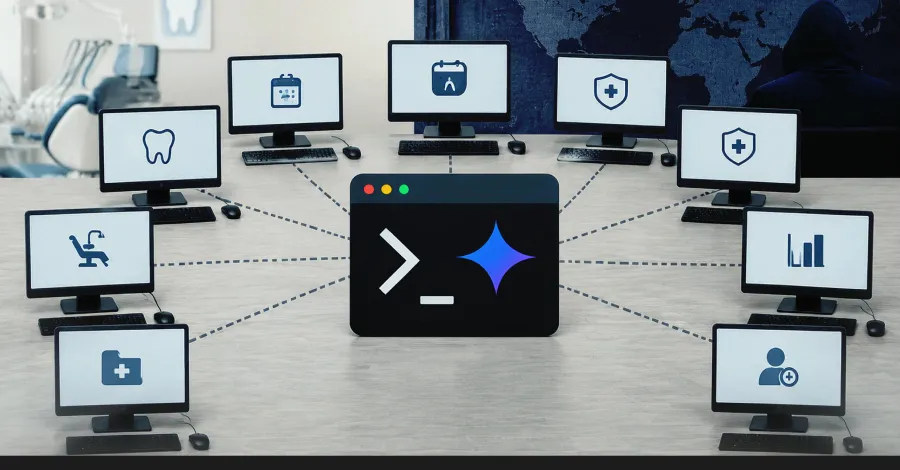
The digital landscape is rapidly evolving, and with it, the threats that organizations face. One alarming case recently came to light involving a Russian-speaking hacker who leveraged Google’s Gemini CLI to control a botnet comprising eight dental clinic PCs. This incident underscores the pressing need for robust cybersecurity measures and the importance of leveraging advanced technologies, including artificial intelligence (AI), to protect sensitive data and infrastructure. In this article, we will explore how this event unfolded, the implications for businesses, and actionable steps organizations can take to secure themselves against similar threats.
The Rise of AI in Cyber Crime
Cybercriminals are increasingly using advanced technologies to enhance their attacks. The incident involving the Russian-speaking hacker is a prime example. By utilizing the Google Gemini Command Line Interface (CLI), the hacker was able to create a botnet that compromised multiple dental clinic computers. This level of sophistication not only highlights the capabilities of modern cybercriminals but also emphasizes the need for organizations to stay one step ahead.
The Google Gemini CLI, primarily designed for AI model management, can be exploited by malicious actors to execute commands across multiple systems. In this case, the hacker was able to deploy malware and execute unauthorized commands, thereby gaining control over sensitive patient data and clinic operations. Such breaches can lead to severe consequences, including financial losses, reputational damage, and legal repercussions.

The Implications for Healthcare Organizations
The healthcare sector, particularly dental clinics, often operates with limited cybersecurity resources, making them attractive targets for cybercriminals. The breach involving the botnet demonstrates how even smaller, seemingly less critical organizations can fall victim to sophisticated attacks. This poses a significant risk, not just to the clinics themselves, but to the patients whose sensitive information is at stake.
Consequences of a Data Breach
When a data breach occurs, the repercussions can be extensive:
- Financial Impact: The average cost of a data breach for healthcare organizations can exceed $4 million, factoring in fines, legal fees, and remediation costs.
- Reputational Damage: Trust is paramount in healthcare. A breach can lead to a loss of patient confidence, which can take years to rebuild.
- Legal Consequences: Organizations may face lawsuits from affected individuals and regulatory scrutiny, especially if they fail to comply with data protection laws.
Best Practices for Cybersecurity
Given the ever-evolving threat landscape, it is crucial for organizations, especially in the healthcare sector, to adopt stringent cybersecurity measures. Here are five essential steps to secure against software vulnerabilities:
- Regular Software Updates: Ensure all systems and applications are up-to-date with the latest security patches. Cybercriminals often exploit known vulnerabilities in outdated software.
- Implement Strong Access Controls: Limit access to sensitive data based on the principle of least privilege. Regularly review user permissions to ensure they remain appropriate.
- Conduct Regular Security Training: Educate employees about potential threats and best practices for cybersecurity. Human error remains one of the leading causes of data breaches.
- Utilize Advanced Threat Detection Tools: Invest in AI-driven cybersecurity solutions that can identify and respond to threats in real-time, enhancing your overall security posture.
- Develop an Incident Response Plan: Prepare for potential breaches by having a clear plan in place. This should include communication strategies and steps for remediation.

Leveraging AI for Enhanced Security
Artificial intelligence can play a pivotal role in modern cybersecurity frameworks. By analyzing vast amounts of data, AI systems can identify patterns and anomalies that may indicate a security threat. Furthermore, AI can automate responses to certain types of incidents, significantly reducing response times and minimizing damage.
Examples of AI in Cybersecurity
Several organizations are already leveraging AI technologies to enhance their cybersecurity measures:
- Predictive Analytics: AI tools can predict potential vulnerabilities based on historical data, enabling organizations to proactively strengthen their defenses.
- Behavioral Analysis: AI can monitor user behavior and flag any unusual activities that could suggest a breach or insider threat.
- Automated Threat Responses: By automating responses to detected threats, organizations can mitigate risks without human intervention, allowing IT teams to focus on more complex challenges.

Key Takeaways
- The rise of AI in cybercrime necessitates robust cybersecurity measures for organizations.
- Healthcare organizations, particularly smaller clinics, are increasingly vulnerable to sophisticated attacks.
- Implementing best practices such as regular updates and employee training is essential for safeguarding sensitive data.
- AI technologies can enhance cybersecurity frameworks by predicting threats and automating responses.
- Developing a comprehensive incident response plan is crucial for effective breach management.
Frequently Asked Questions
What is a botnet, and how does it work?
A botnet is a network of compromised computers that are controlled by a third party, often without the owners' knowledge. Cybercriminals use botnets to execute various malicious activities, such as launching Distributed Denial of Service (DDoS) attacks, stealing data, or distributing malware. Once a computer is compromised, it becomes part of the botnet and can be remotely controlled to carry out the hacker's commands.
How can businesses ensure compliance with data protection regulations?
To ensure compliance with data protection regulations, businesses should conduct regular assessments of their data handling practices, implement appropriate security measures, and stay informed about relevant laws, such as the Health Insurance Portability and Accountability Act (HIPAA) for healthcare organizations. Additionally, developing a comprehensive privacy policy and training staff on compliance requirements are critical steps in maintaining adherence to regulations.
What role does employee training play in cybersecurity?
Employee training is a crucial component of cybersecurity strategy. Since human error is a leading cause of data breaches, educating employees about potential threats, safe practices, and how to recognize phishing attempts can significantly reduce the risk of security incidents. Regular training sessions can keep cybersecurity top-of-mind and empower employees to act as the first line of defense.
Comments
Legal Setback for $110B Paramount-Warner Bros. Merger
A judge has temporarily paused the $110 billion merger between Paramount and Warner Bros. Discovery, following concerns from state attorneys general about its competitive implications. This article explores the legal, market, and industry ramifications of this significant merger.

Related articles






Popular in Cybersecurity
- Federal Mandate for Autonomous Vehicles: A Call for Safety Compliance
- EU Mandates Google to Share Data and Open AI on Android: What It Means
- GitHub Revamps Bug Bounty Program: Implications for Developers and Security
- Australian Government Disables Thousands of Functional Broadband Routers: A Wasteful Decision
- Exploiting Redis: Understanding Zero-Day Vulnerabilities and Their Mitigation