SonicWall SMA Zero-Days: Navigating Vulnerabilities and Cybersecurity Strategies
The recent exploitation of SonicWall SMA zero-day vulnerabilities underscores the urgent need for robust cybersecurity measures. This article explores the implications of these vulnerabilities and provides actionable steps for organizations to enhance their security posture.
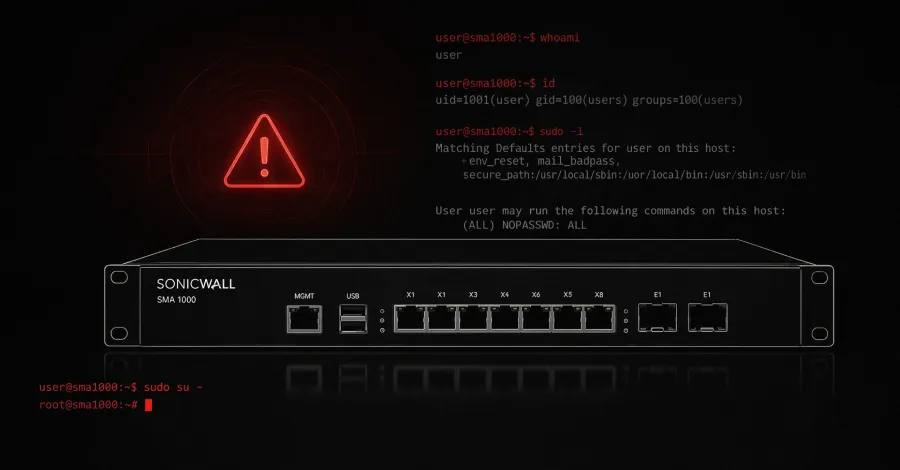
The cybersecurity landscape is constantly evolving, and recent events have underscored the critical importance of vigilance and proactive defense mechanisms. The discovery of zero-day vulnerabilities in SonicWall's Secure Mobile Access (SMA) has left organizations reeling as malicious actors exploit these weaknesses before official patches are made available. As cyber threats become increasingly sophisticated and pervasive, understanding how to safeguard your digital assets is paramount.
The SonicWall SMA zero-days have highlighted a key issue in cybersecurity: the gap between vulnerability disclosure and the time it takes for organizations to implement necessary security measures. This article delves into the implications of these vulnerabilities, the methods employed by attackers, and the essential steps organizations must take to improve their security posture in an age where artificial intelligence and automation play significant roles in both attack and defense.
Understanding SonicWall's SMA Vulnerabilities
SonicWall, a well-known player in the cybersecurity arena, provides secure access solutions that are critical for remote workforces. The SMA series is designed to enable secure remote connections to corporate networks, but it also presents potential risks if not properly secured. Recently, two significant zero-day vulnerabilities were identified, allowing attackers to gain root access to affected systems.
Zero-day vulnerabilities are flaws in software that are unknown to the vendor and, therefore, not yet patched. The exploitation of these vulnerabilities can lead to unauthorized access, data breaches, and even complete system control. In the case of SonicWall, attackers exploited these weaknesses before they were publicly disclosed, indicating a highly organized and strategic approach to cybercrime.

The Mechanisms of Attack
Understanding how these vulnerabilities were exploited is crucial for organizations looking to defend against similar attacks in the future. Attackers often leverage a combination of tactics, including:
- Phishing Attacks: Targeting employees with deceptive emails to gain credentials.
- Exploiting Software Flaws: Using known vulnerabilities to gain access to systems.
- Credential Stuffing: Applying stolen credentials from other breaches to access accounts.
Once inside the network, attackers can escalate their privileges, allowing them to execute malicious code or extract sensitive information. The speed at which these attacks occur demonstrates the need for organizations to be agile in their response and proactive in their security measures.
Implications for Organizations
The exploitation of SonicWall's SMA vulnerabilities poses serious implications for organizations across various sectors. As businesses increasingly rely on remote access solutions, the risks associated with these tools grow exponentially. The fallout from a successful attack can result in:
- Financial Loss: The cost of recovery from a breach can range from thousands to millions of dollars, depending on the scale of the incident.
- Reputation Damage: Organizations may suffer long-term damage to their brand reputation, leading to loss of customer trust.
- Legal Ramifications: A breach can lead to lawsuits and regulatory penalties, especially if sensitive customer data is compromised.
Therefore, addressing these vulnerabilities should be a top priority for IT departments and business leaders alike.
Steps to Secure Against Software Vulnerabilities
In light of these vulnerabilities, organizations must take a proactive approach to cybersecurity. Here are five essential steps to secure against software vulnerabilities:
1. Regular Software Updates
Ensure that all software, particularly security-related applications, are updated regularly. Organizations should implement an update schedule to apply patches as soon as they are released.
2. Comprehensive Security Training
Invest in ongoing security training for employees. This training should cover topics such as recognizing phishing attempts and understanding the importance of strong password practices.
3. Implement Multi-Factor Authentication (MFA)
MFA adds an additional layer of security by requiring users to provide two or more verification factors before accessing sensitive systems. This can significantly reduce the risk of unauthorized access.
4. Conduct Regular Security Audits
Organizations should conduct periodic security audits to identify vulnerabilities and assess the effectiveness of existing security measures. This proactive approach can help catch potential issues before they are exploited.
5. Leverage AI for Threat Detection
Utilize AI-driven tools to monitor network traffic and identify unusual patterns that may indicate a breach. AI can analyze vast amounts of data quickly, providing timely alerts on potential vulnerabilities.

Key Takeaways
- Zero-day vulnerabilities in SonicWall's SMA can lead to severe security breaches.
- Organizations must act swiftly to implement security measures as soon as vulnerabilities are disclosed.
- Proactive strategies, including employee training and regular software updates, are crucial for robust cybersecurity.
- AI technology can enhance threat detection and response efforts.
Frequently Asked Questions
What is a zero-day vulnerability?
A zero-day vulnerability refers to a software flaw that is unknown to the vendor and has not yet been patched. This means that attackers can exploit the vulnerability without anyone being aware of the issue, making it especially dangerous.
How can organizations detect if they have been compromised?
Organizations can detect breaches by monitoring for unusual network activity, conducting regular security audits, and utilizing intrusion detection systems (IDS). Anomalies in user behavior, such as unauthorized access attempts or unusual data transfers, can indicate a security breach.
What role does employee training play in cybersecurity?
Employee training is critical in cybersecurity as it helps staff recognize potential threats, such as phishing attacks. Well-trained employees are less likely to fall for scams and more likely to adhere to best practices, significantly reducing the risk of a breach.
How does AI enhance cybersecurity measures?
AI enhances cybersecurity by automating threat detection and response processes. It can analyze large datasets to identify patterns and anomalies that may indicate a breach, allowing organizations to respond more quickly and effectively to potential threats.
Comments
Legal Setback for $110B Paramount-Warner Bros. Merger
A judge has temporarily paused the $110 billion merger between Paramount and Warner Bros. Discovery, following concerns from state attorneys general about its competitive implications. This article explores the legal, market, and industry ramifications of this significant merger.

Related articles





Popular in Cybersecurity
- Federal Mandate for Autonomous Vehicles: A Call for Safety Compliance
- EU Mandates Google to Share Data and Open AI on Android: What It Means
- GitHub Revamps Bug Bounty Program: Implications for Developers and Security
- Australian Government Disables Thousands of Functional Broadband Routers: A Wasteful Decision
- Exploiting Redis: Understanding Zero-Day Vulnerabilities and Their Mitigation