Russian Intelligence Leverages IP Camera Vulnerabilities for Espionage
Recent reports reveal that Russian intelligence has exploited vulnerabilities in IP cameras to monitor military logistics in NATO countries and Ukraine. This article explores these security threats and offers actionable steps for organizations to protect themselves.
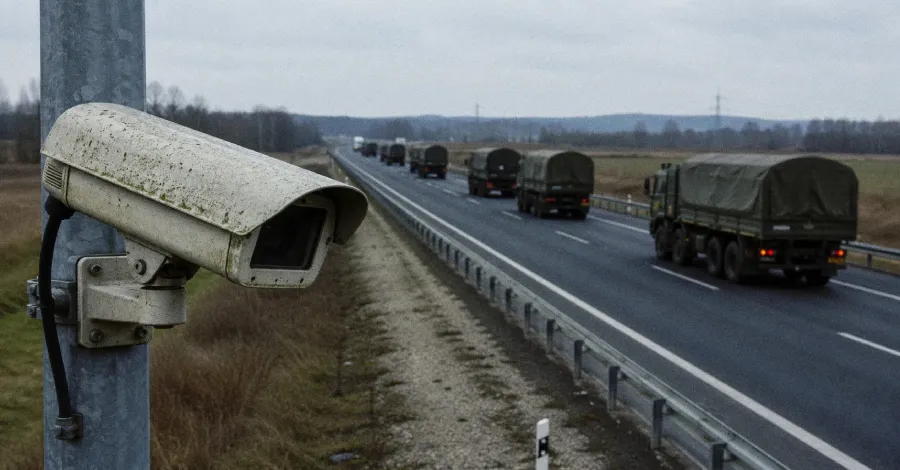
In an alarming turn of events, recent intelligence reports have uncovered a sophisticated espionage operation by Russian intelligence, utilizing compromised Internet Protocol (IP) cameras to monitor military logistics across NATO member states and Ukraine. This revelation not only underscores the vulnerabilities inherent in widely used surveillance technologies but also highlights the increasing sophistication of cyber threats in the modern geopolitical landscape.
The exploitation of IP cameras, which are often deployed for security monitoring in businesses and governmental facilities, raises serious concerns about the integrity of sensitive information and the security of military operations. As tensions continue to escalate in Eastern Europe, the implications of this surveillance strategy are profound, affecting not just military operations but also the broader cybersecurity posture of nations involved.
Understanding the Landscape of IP Camera Vulnerabilities
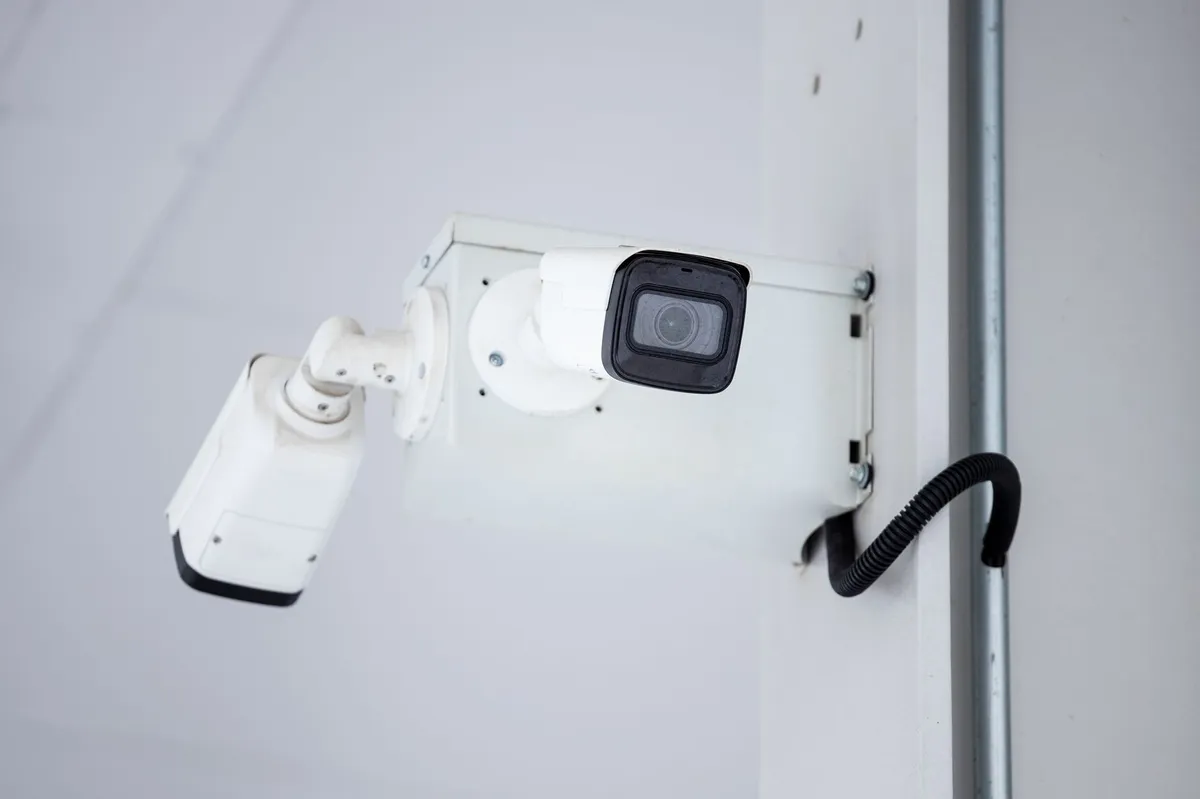
IP cameras are integral to many security systems, offering real-time monitoring and recording capabilities. However, their reliance on internet connectivity makes them susceptible to cyberattacks. Vulnerabilities can arise from various sources:
- Default Credentials: Many manufacturers ship devices with factory-set usernames and passwords, which users often neglect to change.
- Outdated Firmware: Manufacturers occasionally fail to provide timely updates, leaving devices exposed to known exploits.
- Weak Encryption: Some cameras use outdated or weak encryption protocols, making it easier for attackers to intercept data.
In the context of the Russian intelligence operation, these vulnerabilities were exploited to gain unauthorized access to camera feeds, allowing operatives to closely observe military movements and logistical support. This underscores the need for heightened security measures in devices that are often taken for granted.
The Implications for NATO and Ukraine
The infiltration of IP camera systems poses significant risks to NATO and Ukrainian defenses. With real-time access to surveillance feeds, adversaries can not only monitor troop movements but also decipher logistical patterns, supply chain routes, and strategic planning. This information can be leveraged to undermine military operations, creating a tactical advantage for the aggressor.
For NATO member states, this incident represents a wake-up call regarding the security of critical infrastructure. As military technologies evolve, adversaries are finding innovative ways to exploit even the most mundane devices connected to the internet. The implications extend beyond military security; civilian infrastructure that utilizes similar technology may also be at risk, highlighting the need for a comprehensive cybersecurity framework.
Enhancing Cybersecurity Measures Against Espionage
In light of these vulnerabilities, organizations need to adopt proactive measures to secure their IP camera systems and other connected devices. Here are five key steps to enhance cybersecurity:
- Change Default Credentials: Immediately change factory-set usernames and passwords upon installation to something strong and unique.
- Regularly Update Firmware: Ensure that all devices are running the latest firmware, regularly checking for updates from manufacturers.
- Employ Strong Encryption: Use devices that support robust encryption protocols to safeguard data transmission.
- Network Segmentation: Place IP cameras on separate networks to limit exposure in the event of a breach.
- Continuous Monitoring: Implement network monitoring solutions to detect anomalies and unauthorized access attempts.

Legal and Regulatory Implications
The use of compromised technology for espionage raises questions about legal accountability and regulatory compliance. Organizations that fail to secure their systems may face legal repercussions, especially if their vulnerabilities are exploited to harm national security or violate data protection laws.
In the United States, for instance, the Federal Trade Commission (FTC) has been increasingly vigilant about enforcing regulations related to consumer data protection. Organizations must not only secure their devices but also be prepared for potential audits and compliance checks as regulatory bodies heighten their scrutiny of cybersecurity practices.

Looking Ahead: The Future of Cybersecurity
As technology continues to evolve, so too will the methods employed by cybercriminals and state-sponsored actors. The Russian intelligence operation serves as a stark reminder of the vulnerabilities associated with ubiquitous technology. Organizations must remain vigilant, continuously adapting their cybersecurity strategies to mitigate evolving threats.
The integration of artificial intelligence in cybersecurity presents both opportunities and challenges. AI can enhance threat detection capabilities, enabling organizations to respond more quickly to vulnerabilities. However, it can also be weaponized by adversaries to develop more sophisticated attacks. Therefore, the cybersecurity landscape will require a collaborative approach, combining technology, policy, and user education to effectively combat these threats.
Key Takeaways
- Russian intelligence successfully exploited IP camera vulnerabilities to spy on military logistics.
- Organizations must prioritize cybersecurity measures to protect against espionage.
- Legal and regulatory compliance is critical in safeguarding sensitive information.
- AI technologies can enhance cybersecurity but also pose new risks.
Frequently Asked Questions
What are IP camera vulnerabilities?
IP camera vulnerabilities refer to security weaknesses in Internet Protocol cameras that can be exploited by attackers to gain unauthorized access. These vulnerabilities can arise from default settings, outdated firmware, weak encryption, and poor network security practices. By exploiting these weaknesses, cybercriminals can intercept video feeds, compromise privacy, and conduct surveillance without detection.
How can organizations protect against these vulnerabilities?
Organizations can protect against IP camera vulnerabilities by following best practices such as changing default credentials, keeping firmware updated, employing strong encryption, segmenting networks, and continuously monitoring for suspicious activity. These steps help create a more robust security posture and reduce the risk of unauthorized access.
What are the legal implications of cybersecurity breaches?
Cybersecurity breaches can lead to significant legal implications for organizations, particularly if sensitive data is compromised or if systems are used in ways that violate regulations. Organizations may face lawsuits, fines, or regulatory scrutiny if they fail to implement adequate security measures. Compliance with laws such as the General Data Protection Regulation (GDPR) or the Health Insurance Portability and Accountability Act (HIPAA) is crucial for avoiding legal repercussions.
How is artificial intelligence changing cybersecurity?
Artificial intelligence is transforming cybersecurity by enhancing threat detection, automating responses to incidents, and analyzing vast amounts of data to identify anomalies. However, it also introduces potential risks, as adversaries can leverage AI to develop more sophisticated attacks. Organizations must strike a balance between adopting AI-driven tools and maintaining robust cybersecurity practices to stay ahead of evolving threats.
Comments
Legal Setback for $110B Paramount-Warner Bros. Merger
A judge has temporarily paused the $110 billion merger between Paramount and Warner Bros. Discovery, following concerns from state attorneys general about its competitive implications. This article explores the legal, market, and industry ramifications of this significant merger.

Related articles





Popular in Cybersecurity
- Federal Mandate for Autonomous Vehicles: A Call for Safety Compliance
- EU Mandates Google to Share Data and Open AI on Android: What It Means
- GitHub Revamps Bug Bounty Program: Implications for Developers and Security
- Australian Government Disables Thousands of Functional Broadband Routers: A Wasteful Decision
- Exploiting Redis: Understanding Zero-Day Vulnerabilities and Their Mitigation