AI-Driven Cyber Threats: Securing Against Emerging Vulnerabilities
The rise of AI in cybersecurity has brought both advancements and challenges. This article explores how AI is being used in cyberattacks, exemplified by the UAC-0145 malware targeting Ukrainian devices, and outlines steps organizations can take to bolster their defenses.
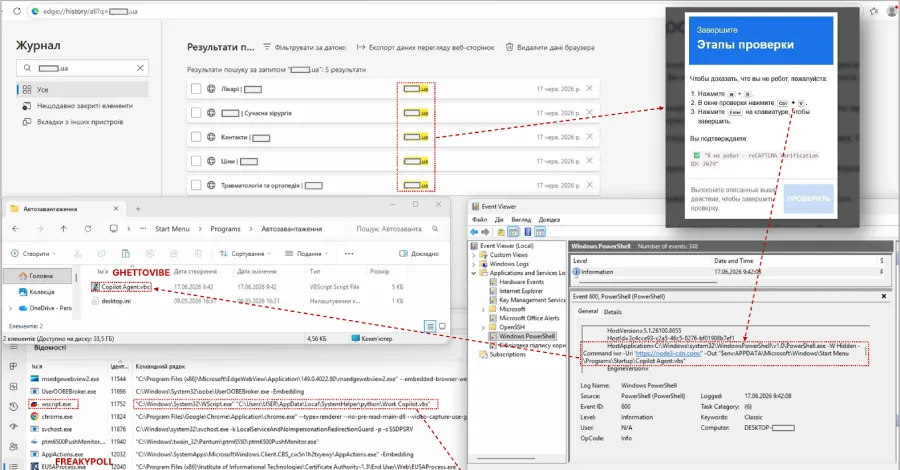
The landscape of cybersecurity is evolving rapidly, driven by the advancements in artificial intelligence (AI). While AI has proven to be a game-changer in identifying threats and automating defenses, it also poses significant risks when wielded by malicious actors. A recent example of this duality is the UAC-0145 group, which has been utilizing sophisticated ClickFix CAPTCHAs to deliver malware to Ukrainian devices. This incident underscores the urgent need for organizations to understand and mitigate the risks associated with AI-driven cyber threats.
UAC-0145's approach highlights a disturbing trend in the cyber realm: the use of AI to enhance the effectiveness of traditional malware delivery methods. The ClickFix CAPTCHA technique, which is typically employed to distinguish between human users and bots, has been weaponized in a manner that exploits the very systems designed to protect users. As organizations grapple with such innovations in cyberattacks, it becomes imperative to adopt robust security measures to safeguard sensitive data and infrastructure.
The Rise of AI in Cyber Attacks
AI's involvement in cyberattacks is not merely a theoretical concern; it is an evolving reality. Cybercriminals are increasingly leveraging AI algorithms to automate their operations, making attacks faster, more efficient, and harder to detect. The UAC-0145 group exemplifies this trend by integrating AI into their malware distribution strategies.
Understanding UAC-0145's Tactics
UAC-0145's use of ClickFix CAPTCHAs is a prime example of how adversaries can adapt legitimate technology for nefarious purposes. By embedding malware within seemingly innocuous CAPTCHA challenges, they can bypass traditional security measures and infect devices without raising immediate suspicion. This tactic not only highlights the sophistication of modern cyber threats but also raises awareness about the vulnerabilities present in common security mechanisms.
Key Vulnerabilities Exposed by AI
As AI continues to evolve, so too do the vulnerabilities that organizations must contend with. Here are some critical areas where AI exploits can manifest:
- Automated Phishing Attacks: AI can generate highly convincing phishing emails tailored to individual targets, increasing the likelihood of successful attacks.
- Data Manipulation: Cybercriminals can use AI to analyze vast amounts of data, identifying patterns that allow for tailored attacks on specific systems.
- Bypassing Traditional Security: AI-enhanced malware can adapt in real-time to avoid detection by conventional security tools.

Steps to Secure Against AI-Driven Vulnerabilities
To combat the threats posed by AI-driven cyberattacks, organizations must adopt a proactive approach to security. Here are five essential steps to fortify your defenses:
1. Implement Advanced Threat Detection
Invest in security solutions that utilize AI to detect anomalies and potential threats in real time. These systems can analyze behavioral patterns and flag unusual activities that may indicate a breach.
2. Conduct Regular Security Audits
Perform comprehensive security audits to identify and address vulnerabilities in your systems. Regular assessments can help organizations stay ahead of emerging threats.
3. Train Employees on Cyber Awareness
Cybersecurity is a shared responsibility. Training employees on the latest phishing tactics and social engineering scams can significantly reduce the risk of successful attacks.
4. Employ Multi-Factor Authentication (MFA)
MFA adds an additional layer of security by requiring multiple forms of verification before granting access to sensitive systems. This makes it more difficult for attackers to gain unauthorized access.
5. Stay Informed on Threat Landscape
Keep abreast of the latest trends in cyber threats and vulnerabilities. Understanding the tactics employed by adversaries can better prepare organizations to defend against them.

The Future of Cybersecurity in an AI-Driven World
The integration of AI into both cybersecurity measures and cyberattacks is likely to continue growing. As organizations adopt AI tools for better security, so too will cybercriminals leverage these technologies to enhance their attack strategies. This arms race between defenders and offenders will shape the future of cybersecurity.
To thrive in this environment, organizations must remain vigilant and adaptable. Continuous investment in security technologies, employee training, and threat intelligence will be critical in building a resilient cybersecurity posture. The stakes are high; failing to adapt could result in devastating breaches and significant financial losses.

Key Takeaways
- UAC-0145 demonstrates how AI can enhance cyberattack strategies, raising concerns for organizations globally.
- Understanding the evolving tactics of cybercriminals is crucial for developing effective defense mechanisms.
- Proactive security measures, including advanced threat detection and employee training, are essential to protect against AI-driven vulnerabilities.
- The cybersecurity landscape is in a constant state of flux, requiring organizations to stay informed and agile.
Frequently Asked Questions
What is UAC-0145 and how does it operate?
UAC-0145 is a cybercriminal group known for using sophisticated tactics to distribute malware. Their recent use of ClickFix CAPTCHAs to deliver malicious payloads showcases a novel approach that exploits legitimate security technologies, allowing them to infiltrate systems undetected.
How can organizations protect themselves from AI-driven cyber threats?
Organizations can bolster their defenses against AI-driven threats by implementing advanced threat detection systems, conducting regular security audits, and training employees on cybersecurity best practices. Additionally, employing multi-factor authentication and staying updated on emerging threats are crucial steps in protecting sensitive information.
What role does AI play in modern cybersecurity?
AI plays a dual role in cybersecurity: it can be used as a tool for enhancing security measures, such as threat detection and response, while also being exploited by cybercriminals to automate and refine their attacks. This duality necessitates a comprehensive approach to cybersecurity that addresses both sides of the equation.
Why is employee training important in cybersecurity?
Employee training is vital in cybersecurity because human error is often the weakest link in security defenses. By fostering awareness about potential threats and teaching employees how to recognize and respond to phishing attempts and other attacks, organizations can significantly reduce their vulnerability to cyber threats.
Comments
Legal Setback for $110B Paramount-Warner Bros. Merger
A judge has temporarily paused the $110 billion merger between Paramount and Warner Bros. Discovery, following concerns from state attorneys general about its competitive implications. This article explores the legal, market, and industry ramifications of this significant merger.

Related articles






Popular in Cybersecurity
- Federal Mandate for Autonomous Vehicles: A Call for Safety Compliance
- EU Mandates Google to Share Data and Open AI on Android: What It Means
- GitHub Revamps Bug Bounty Program: Implications for Developers and Security
- Australian Government Disables Thousands of Functional Broadband Routers: A Wasteful Decision
- Exploiting Redis: Understanding Zero-Day Vulnerabilities and Their Mitigation