Mitigating Critical NGINX Vulnerabilities: Steps for Secure Implementation
A recently discovered vulnerability in NGINX poses significant risks, including potential remote code execution. This article discusses how organizations can safeguard their systems against such threats, leveraging AI-driven insights.
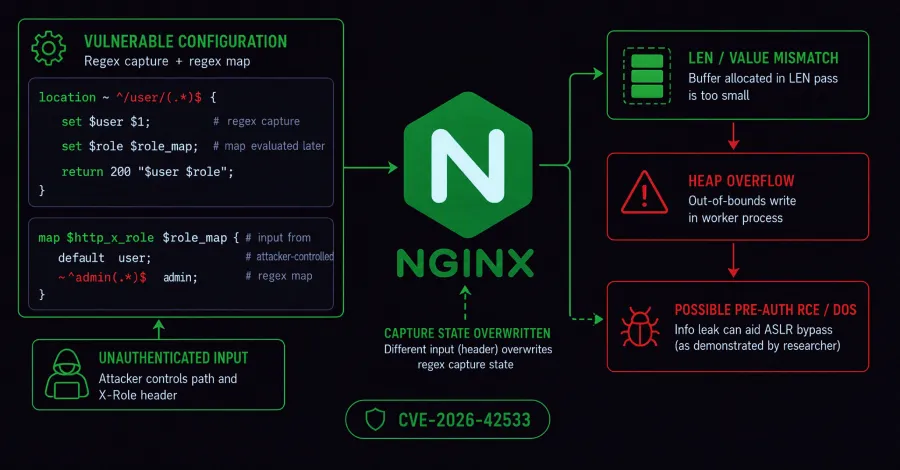
The web server NGINX is widely regarded for its high performance and reliability, powering a significant portion of the internet's most popular websites. However, a recently disclosed critical vulnerability has raised alarms among cybersecurity experts and system administrators alike. This vulnerability not only has the potential to crash worker processes but could also allow attackers remote code execution, jeopardizing the integrity of web applications and the data they handle. As organizations increasingly rely on NGINX for their web infrastructure, understanding and mitigating these vulnerabilities has never been more crucial.
As cyber threats evolve and grow more sophisticated, organizations must adopt a proactive stance on security. This is where artificial intelligence (AI) comes into play. AI models can analyze vast amounts of data to identify vulnerabilities and recommend remediation strategies that may not be immediately apparent to human analysts. In this article, we will explore the implications of this NGINX vulnerability and outline essential steps organizations can take to secure their infrastructures.
Understanding the NGINX Vulnerability
The NGINX vulnerability stems from a flaw in its handling of specific requests that can lead to a denial-of-service (DoS) condition. This flaw affects how NGINX workers process incoming requests, potentially crashing them and rendering the web service unavailable. More alarmingly, if exploited, this vulnerability may enable an attacker to execute arbitrary code on the server, leading to further exploitation of system resources and sensitive data.
To put this into perspective, consider the broader implications of such a vulnerability. For organizations hosting critical applications or sensitive data, a DoS attack could halt operations, resulting in significant downtime and financial losses. The potential for remote code execution compounds this risk, as it could allow attackers to breach security protocols and access confidential information.

The Role of AI in Cybersecurity
AI has revolutionized various sectors, and cybersecurity is no exception. By employing machine learning algorithms and advanced data analytics, organizations can enhance their defenses against vulnerabilities like the one discovered in NGINX. Here's how AI can be leveraged in cybersecurity:
- Vulnerability Identification: AI can scan and analyze codebases and configurations to identify potential vulnerabilities before they are exploited.
- Anomaly Detection: Machine learning algorithms can detect unusual patterns in network traffic that may indicate a security breach.
- Automated Response: AI systems can automate responses to certain threats, allowing for quicker mitigation of risks.
- Predictive Analytics: By analyzing historical data, AI can predict potential future vulnerabilities and help organizations prepare accordingly.
Integrating AI-driven solutions into cybersecurity protocols not only enhances an organization’s defensive posture but also allows for a more agile response to emerging threats.

Five Steps to Secure Your Organization
To effectively mitigate the risks associated with the NGINX vulnerability, organizations should implement a robust security strategy that encompasses the following five steps:
1. Conduct a Comprehensive Security Audit
Start with a thorough audit of your current security posture. Assess the configurations of your NGINX servers and identify any outdated software versions or unpatched vulnerabilities. Use automated tools powered by AI to assist in this evaluation.
2. Update and Patch Regularly
Ensure that all software, including NGINX, is kept up-to-date with the latest security patches. This is vital in defending against known vulnerabilities. Regularly scheduled updates should be part of your organization’s maintenance routine.
3. Implement Web Application Firewalls (WAF)
A Web Application Firewall can provide an additional layer of security, filtering incoming traffic to block malicious requests before they reach your servers. WAFs can be particularly effective in mitigating DoS attacks and preventing exploitation of vulnerabilities.
4. Utilize AI-Powered Security Tools
Incorporate AI-driven security tools that can monitor network traffic, analyze user behavior, and respond to anomalies in real time. These tools enhance the ability to detect and respond to potential threats faster than traditional methods.
5. Train Your Team
Human error remains one of the leading causes of security breaches. Regular training sessions for your IT staff on security best practices, potential threats, and the importance of vigilance will help create a culture of security within your organization.

Key Takeaways
- NGINX vulnerability poses risks of remote code execution and DoS attacks.
- AI can enhance cybersecurity by identifying vulnerabilities and automating responses.
- Regular updates and comprehensive audits are essential for security maintenance.
- Web Application Firewalls offer critical protection against malicious traffic.
- Training and awareness are key components of a robust cybersecurity strategy.
Frequently Asked Questions
What is the NGINX vulnerability and how does it affect my organization?
The NGINX vulnerability is a flaw that can lead to a denial-of-service condition and potentially allow remote code execution on the server. This can disrupt website functionality and enable unauthorized access to sensitive data, posing significant risks to any organization that relies on NGINX for its web services.
How can AI help in mitigating cybersecurity threats?
AI can assist in identifying vulnerabilities, monitoring network traffic for anomalies, and automating security responses. By leveraging machine learning algorithms and predictive analytics, organizations can better anticipate and respond to security threats, enhancing their overall cybersecurity posture.
What immediate actions should I take to secure my NGINX servers?
Start with a security audit to identify potential vulnerabilities, ensure your software is up-to-date with the latest patches, and consider implementing a Web Application Firewall. Additionally, explore AI-driven security tools that can provide real-time monitoring and automated responses to threats.
How often should I train my security team?
Regular training should be part of your organization’s security strategy. Aim for at least quarterly training sessions to keep your IT team informed about the latest threats, best practices, and the tools available to protect your infrastructure.
Comments
Legal Setback for $110B Paramount-Warner Bros. Merger
A judge has temporarily paused the $110 billion merger between Paramount and Warner Bros. Discovery, following concerns from state attorneys general about its competitive implications. This article explores the legal, market, and industry ramifications of this significant merger.

Related articles






Popular in Cybersecurity
- Federal Mandate for Autonomous Vehicles: A Call for Safety Compliance
- EU Mandates Google to Share Data and Open AI on Android: What It Means
- GitHub Revamps Bug Bounty Program: Implications for Developers and Security
- Australian Government Disables Thousands of Functional Broadband Routers: A Wasteful Decision
- Exploiting Redis: Understanding Zero-Day Vulnerabilities and Their Mitigation