Unprecedented Use of Explosive Drone Boats by U.S. Military in Combat
For the first time, the U.S. military has deployed explosive drone boats in combat, targeting Iranian naval facilities. This marks a significant milestone in modern warfare, showcasing evolving military technologies and strategies.
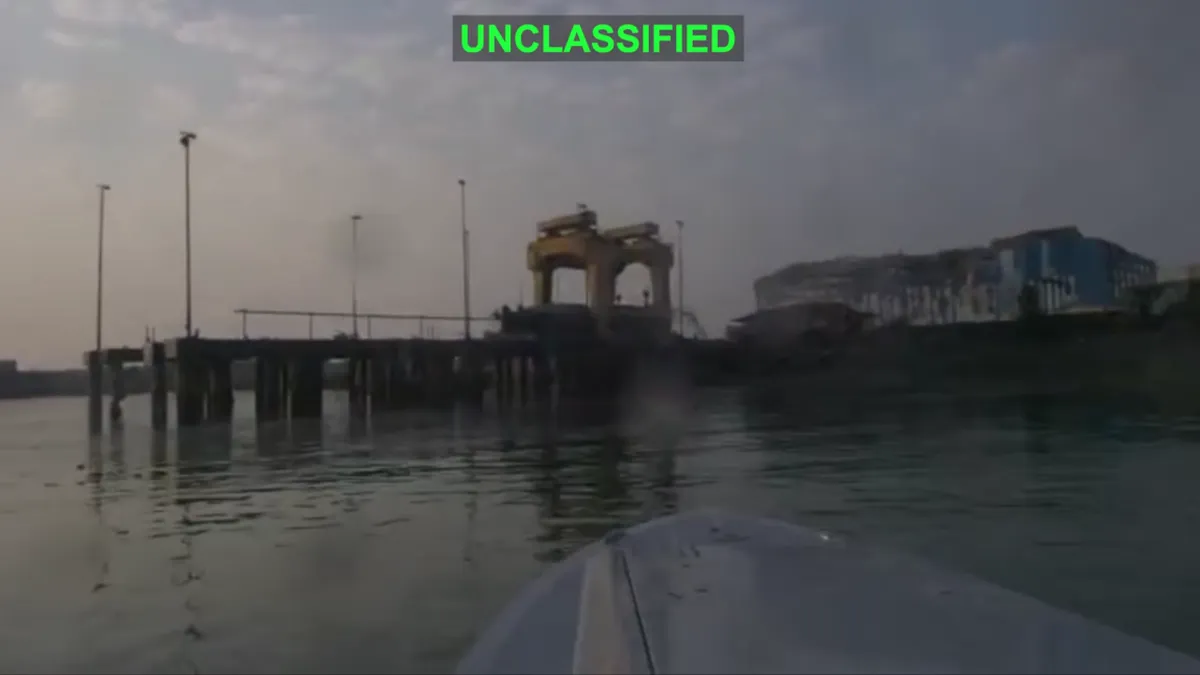
On July 12, 2026, the U.S. military achieved a historic milestone by deploying explosive-laden drone boats in combat for the first time. This unprecedented action involved targeting Iranian naval facilities, specifically a midget submarine at the Bandar Abbas Naval Base, and marks a significant evolution in military strategy and technology. The strike, conducted by three autonomous surface vessels, demonstrates not only the growing reliance on unmanned systems in warfare but also the ongoing tensions in the Middle East as the U.S. and Iran engage in a complex and dangerous game of military brinksmanship.
The drone boats, developed by Austin-based Saronic Technologies, are part of a larger trend in modern warfare where nations are increasingly utilizing unmanned vehicles to conduct operations, often in contested environments. As the world witnesses the transformation of combat strategies, the implications of such technologies extend far beyond the battlefield.
Understanding the Technology Behind Drone Boats
The Saronic Corsair autonomous surface vessels used in the recent U.S. military operation are 24 feet long and boast remarkable capabilities, including:
- Carrying payloads up to 1,000 pounds.
- Operating autonomously over distances exceeding 1,000 nautical miles.
- Achieving speeds greater than 34 knots.
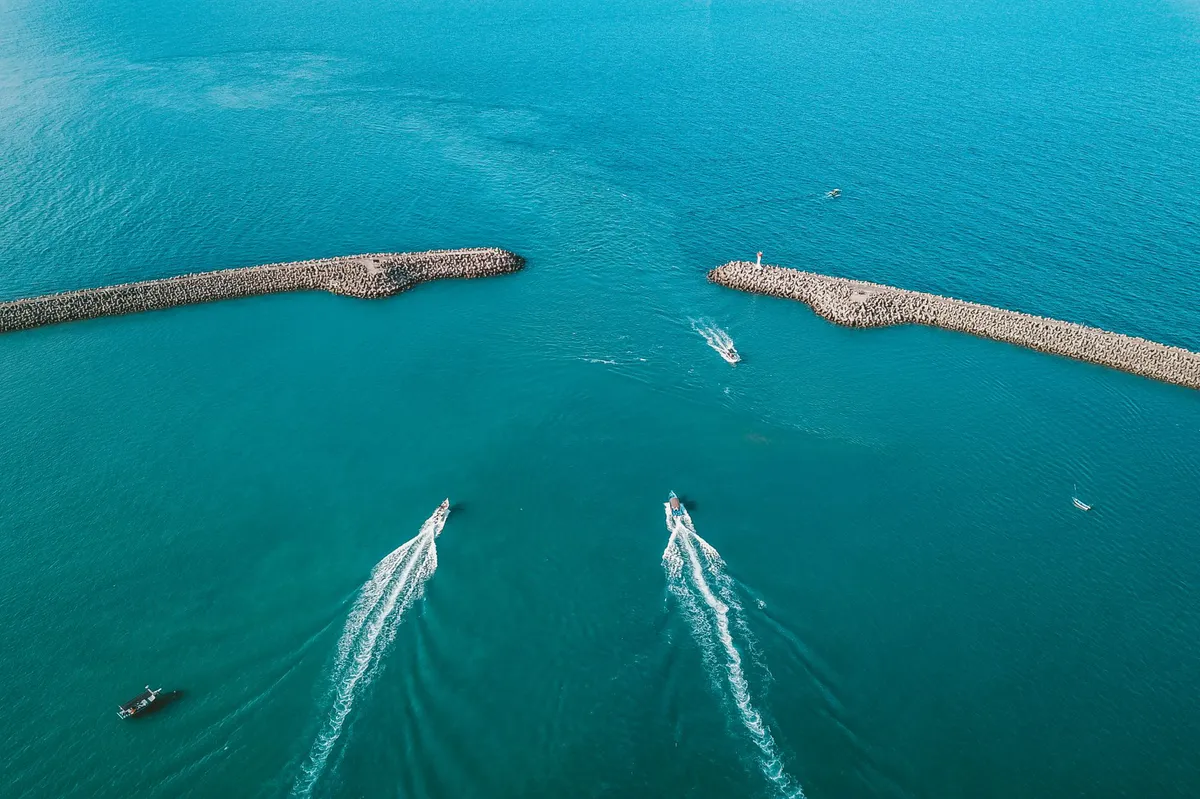
These drone boats are designed for various missions, including long-range navigation and power management, which allows them to loiter undetected near enemy positions. In this instance, the Corsair vessels were equipped with explosives and executed a low-speed, uncontested approach to their targets before detonation, showcasing their operational effectiveness in a combat scenario.
The Historical Context of Drone Warfare
The U.S. is not the first military to utilize explosive drone boats. The Houthi forces in Yemen were the pioneers of such tactics, launching a successful attack against a Saudi naval vessel in 2017. Similarly, the Ukrainian military has deployed drone boats for asymmetric warfare against Russian naval assets, demonstrating the versatility and efficacy of these unmanned systems in modern conflicts.
Historically, drone technology has evolved rapidly since its inception, with nations around the globe adapting these tools for various combat scenarios. The use of drone boats, however, represents a new frontier in maritime warfare. Their ability to strike high-value targets without risking human lives is attractive to military planners, particularly in regions where conventional forces face significant threats.
Implications for U.S. Military Strategy
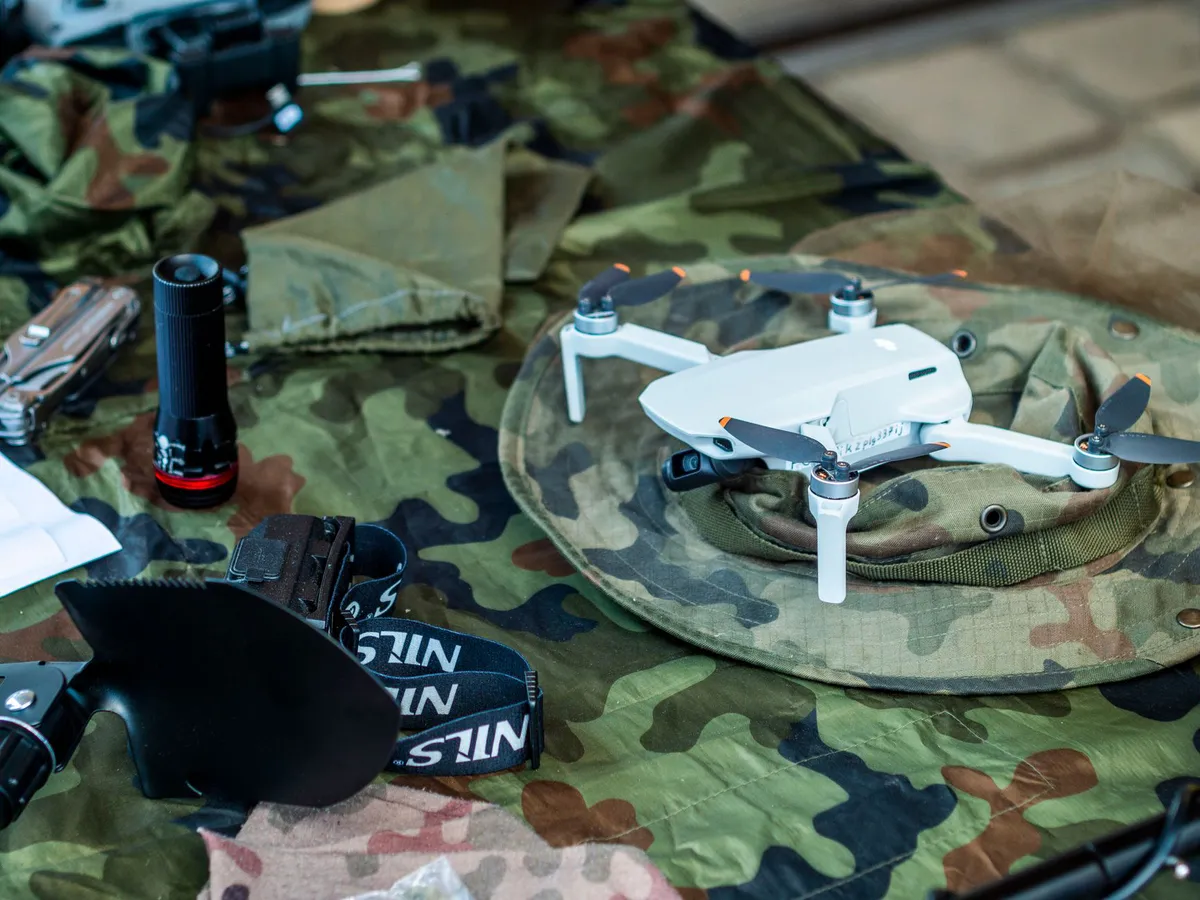
The deployment of explosive drone boats signifies a shift in U.S. military strategy, particularly in the context of the ongoing conflict with Iran that escalated in early 2026. Following the collapse of a ceasefire, the U.S. has intensified its military operations, employing not only drone boats but also aerial strikes using one-way attack drones, known as LUCAS drones, which resemble Iranian-developed Shahed drones.
This strategy reflects a broader trend of adopting cost-effective and asymmetrical tactics in warfare. The U.S. military is currently exploring cheaper alternatives to traditional drone systems, especially after suffering significant losses of high-value assets like the Reaper drones, which can cost over $20 million each. The Corsair drone boats, being a fraction of that cost, provide a viable solution for conducting operations with reduced risk and financial expenditure.
The Broader Landscape of Military Technology
The introduction of drone boats into military operations coincides with a growing trend where countries are investing heavily in unmanned systems for both offensive and defensive capabilities. This shift is reshaping the landscape of military technology and strategy, presenting challenges for traditional naval forces.
As more nations develop their drone capabilities, the potential for asymmetric warfare increases, leading to a more volatile global security environment. The accessibility of drone technology means that smaller nations and non-state actors can leverage these systems to challenge larger militaries, complicating traditional power dynamics.
Future Considerations and Potential Consequences
As the U.S. military continues to integrate drone technology into its operations, several key considerations emerge:
- The ethical implications of using unmanned systems in combat.
- The potential for escalation in conflicts involving drone warfare.
- The need for international regulations governing the use of such technologies.
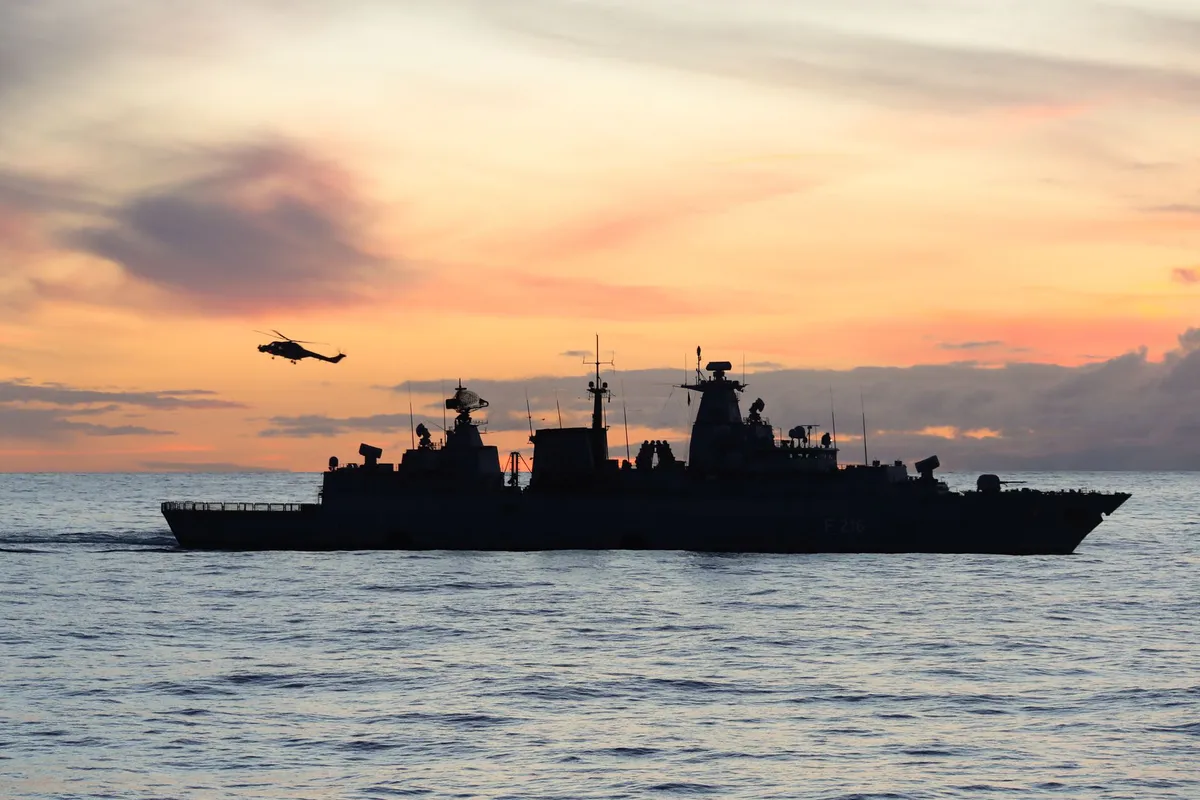
Moreover, the effectiveness of drone boats in combat operations raises questions about the future of naval warfare. Will traditional naval fleets become obsolete in the face of advancing drone technology? As countries like Iran respond to these developments, further escalation could lead to more significant confrontations at sea and in the air.
Key Takeaways
- For the first time, the U.S. military has deployed explosive drone boats in combat, targeting Iranian naval facilities.
- The Saronic Corsair drone boats demonstrate advanced capabilities in autonomous operations.
- This deployment marks a shift in military strategy towards cost-effective and unmanned systems.
- The use of drone boats reflects broader trends in modern warfare, with implications for global security.
- Future military engagements may increasingly rely on unmanned systems, challenging traditional military doctrines.
Frequently Asked Questions
What are explosive drone boats?
Explosive drone boats, often referred to as kamikaze or suicide drone boats, are unmanned vessels designed to carry explosives and detonate upon reaching their target. These systems can operate autonomously, allowing for low-risk strikes on high-value targets without putting human lives in immediate danger.
How do drone boats differ from traditional naval vessels?
Drone boats differ significantly from traditional naval vessels in that they are unmanned and can be operated remotely or autonomously. This allows for greater flexibility in combat operations, as they can be deployed in high-risk environments without risking crew members. Additionally, they are often smaller, cheaper, and can be produced at scale, making them attractive for modern warfare.
What are the implications of using drone boats in military strategy?
The use of drone boats signifies a shift towards more asymmetric warfare, where smaller nations or non-state actors can challenge larger military forces using lower-cost, unmanned systems. This could lead to a rethinking of naval strategies and doctrines, as traditional power dynamics are disrupted. Furthermore, the ethical implications of employing such technologies in combat settings must be carefully considered.
Comments
Explosive Cyclospora Outbreak Linked to Lettuce and Taco Bell: What You Need to Know
A nationwide outbreak of Cyclospora infections has raised concerns over food safety, with Taco Bell and lettuce emerging as key suspects. This article explores the situation's implications, preventative measures, and what consumers should do.

Related articles





Popular in Cybersecurity
- Federal Mandate for Autonomous Vehicles: A Call for Safety Compliance
- EU Mandates Google to Share Data and Open AI on Android: What It Means
- GitHub Revamps Bug Bounty Program: Implications for Developers and Security
- Australian Government Disables Thousands of Functional Broadband Routers: A Wasteful Decision
- Exploiting Redis: Understanding Zero-Day Vulnerabilities and Their Mitigation