OpenAI Challenges Apple's Trade Secret Lawsuit: What You Need to Know
OpenAI is contesting Apple's trade secret lawsuit, claiming the allegations lack merit. This legal dispute raises significant questions about competition and innovation in the tech industry.
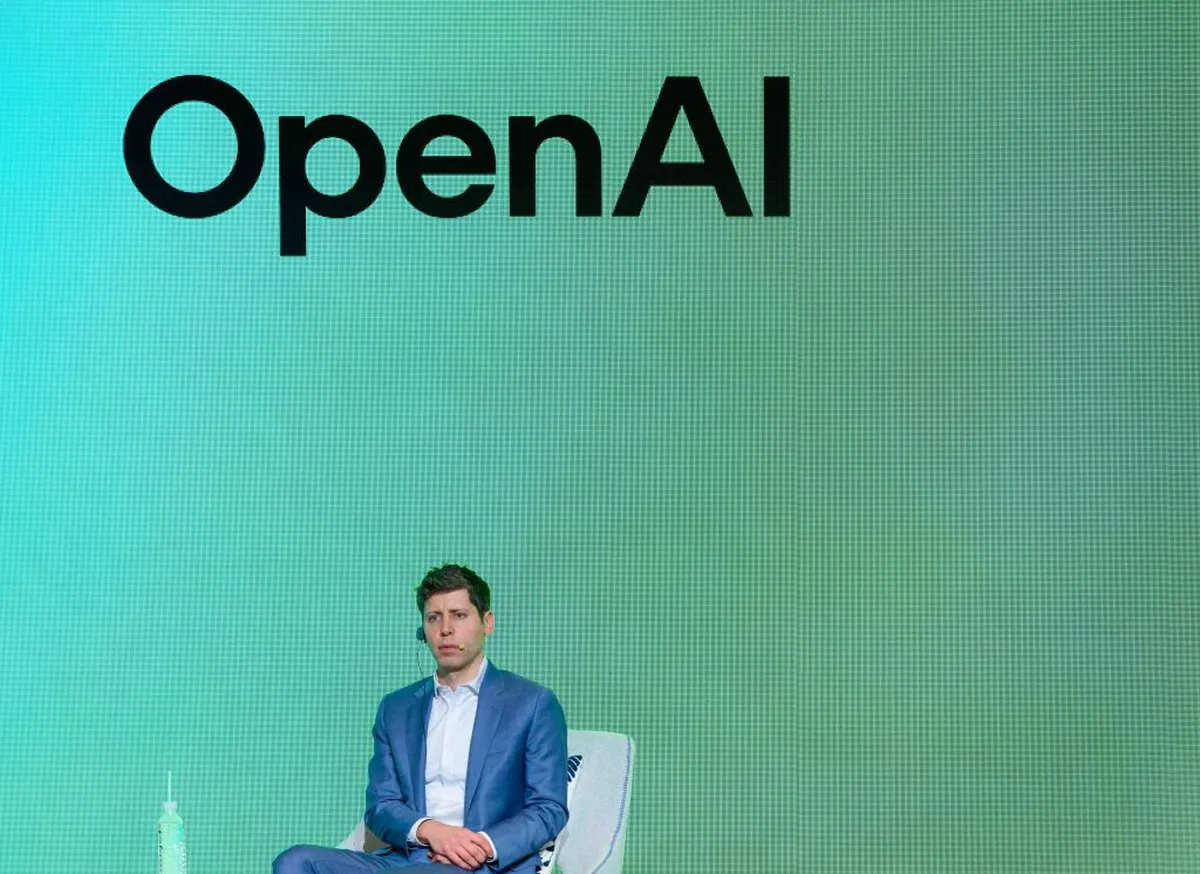
The tech industry is no stranger to legal battles, but the recent lawsuit filed by Apple against OpenAI has caught the attention of many. Apple alleges that OpenAI employees, previously part of the iPhone giant, engaged in a coordinated effort to acquire confidential information and intellectual property. OpenAI's response, which questions the merit of these allegations, highlights the complexities of competition in an era marked by rapid technological advancement and fierce rivalry.
On July 14, 2026, OpenAI issued a statement asserting their commitment to fair competition and innovation, emphasizing that they are unaware of any evidence supporting Apple's claims. The lawsuit, filed in the U.S. District Court for the Northern District of California, spans 41 pages and outlines a series of serious allegations against OpenAI, particularly targeting its Chief Hardware Officer, Tang Tan. Tan, a former Apple executive with a 24-year tenure, held key roles in product design for iconic devices like the iPhone and Apple Watch.
The Allegations: What's at Stake for OpenAI?
Apple's lawsuit takes a hard stance, suggesting that OpenAI has not only attracted former Apple employees but has also engaged in practices that undermine the sanctity of trade secrets. The core of Apple's complaint hinges on an internal investigation that purportedly revealed evidence of OpenAI's misuse of confidential information while working on new hardware initiatives.
Understanding Trade Secrets in Technology
Trade secrets are critical for companies, especially in the highly competitive tech landscape. They encompass formulas, practices, processes, and designs that give a business an advantage over competitors. For instance, Apple's proprietary design methodologies and product development strategies are closely guarded to maintain its edge in the market. OpenAI's rebuttal underscores a fundamental issue: innovation versus intellectual property rights.
- OpenAI's Stance: OpenAI maintains that they have no interest in other companies' trade secrets and are focused on innovation.
- Apple's Claims: The lawsuit alleges that OpenAI has used Apple’s confidential information in its hardware development.
- Tang Tan's Background: Tan's 24 years at Apple positions him uniquely within this dispute, raising questions about the potential transfer of sensitive knowledge.
- Market Impact: The outcome of this lawsuit could set precedents regarding employee mobility and trade secret protections in the tech industry.
OpenAI's Future Hardware Initiatives
Reports suggest that OpenAI may be developing a new device that could pose a direct challenge to Apple's hardware lineup. Following the acquisition of Jony Ive's startup, io, OpenAI is rumored to be working on a mobile, screen-free smart speaker, described as a 'humanlike AI companion.' This device aims to integrate seamlessly into home environments, featuring mechanical elements and leveraging insights from former Apple engineers.
Implications for the AI and Hardware Market
The potential competition from OpenAI adds another layer of complexity to an already crowded market. If the smart speaker is well-received, it could disrupt established players, such as Amazon and Google, while also challenging Apple's dominance in the premium tech space.
The Broader Context: Innovation vs. Intellectual Property
This lawsuit is not merely a legal confrontation; it is emblematic of a broader struggle within the tech industry. As companies rush to innovate, the boundaries of ethical competition are increasingly tested. For instance, the fierce competition in AI, where rapid advances can lead to significant market shifts, raises questions about how to balance innovation with respect for intellectual property.
Legal Precedents and Future Considerations
Legal outcomes in cases like this can have lasting ramifications. A ruling in favor of Apple could tighten restrictions on employee movement between companies, potentially stifling innovation. Conversely, a victory for OpenAI might embolden tech companies to pursue aggressive hiring strategies without fear of litigation over trade secrets.

What Can Companies Do to Protect Their Interests?
As the tech landscape evolves, companies must be proactive in protecting their intellectual property while fostering an environment conducive to innovation. Here are some strategies:
- Enhance Employee Training: Educate employees on the importance of trade secrets and the legal implications of sharing sensitive information.
- Implement Robust Security Measures: Use advanced security protocols to protect confidential information from unauthorized access.
- Conduct Regular Audits: Regularly review and update policies related to trade secrets and employee transitions.
- Engage in Legal Preparedness: Stay informed about legal developments in intellectual property to navigate potential disputes effectively.

Key Takeaways
- OpenAI is contesting Apple's allegations of trade secret theft, emphasizing their commitment to fair competition.
- The lawsuit highlights critical issues surrounding trade secrets and employee mobility in the tech industry.
- OpenAI is reportedly developing a new smart speaker that could directly compete with Apple products.
- The outcome of this case could set significant legal precedents affecting innovation and intellectual property rights.
Frequently Asked Questions
What are trade secrets, and why are they important?
Trade secrets refer to confidential business information that provides a competitive edge. They can include product design, manufacturing processes, and customer lists. Protecting trade secrets is crucial for businesses to maintain their market position and prevent competitors from gaining access to sensitive information.
How might this lawsuit impact employee mobility in the tech sector?
The outcome of the lawsuit could influence how companies approach hiring from competitors. A ruling favoring Apple may lead to stricter agreements that limit employee movement, while a ruling for OpenAI could encourage a more fluid workforce, fostering innovation through the sharing of diverse experiences.
What should companies do if they suspect trade secret theft?
Companies should conduct thorough internal investigations to assess the validity of their claims. If evidence suggests that trade secrets have been compromised, they may need to pursue legal action to protect their interests. Additionally, companies should reinforce security measures and employee training to mitigate future risks.
What are the potential long-term effects of this legal battle on the tech industry?
The legal battle between OpenAI and Apple could have far-reaching implications for the tech industry. Depending on the outcome, it may redefine how companies protect their intellectual property and manage employee transitions, ultimately shaping the landscape of competition and innovation in technology.
Comments
Unprecedented Use of Explosive Drone Boats by U.S. Military in Combat
For the first time, the U.S. military has deployed explosive drone boats in combat, targeting Iranian naval facilities. This marks a significant milestone in modern warfare, showcasing evolving military technologies and strategies.

Related articles




Popular in Cybersecurity
- Federal Mandate for Autonomous Vehicles: A Call for Safety Compliance
- EU Mandates Google to Share Data and Open AI on Android: What It Means
- GitHub Revamps Bug Bounty Program: Implications for Developers and Security
- Australian Government Disables Thousands of Functional Broadband Routers: A Wasteful Decision
- Exploiting Redis: Understanding Zero-Day Vulnerabilities and Their Mitigation