Explosive Cyclospora Outbreak Linked to Lettuce and Taco Bell: What You Need to Know
A nationwide outbreak of Cyclospora infections has raised concerns over food safety, with Taco Bell and lettuce emerging as key suspects. This article explores the situation's implications, preventative measures, and what consumers should do.
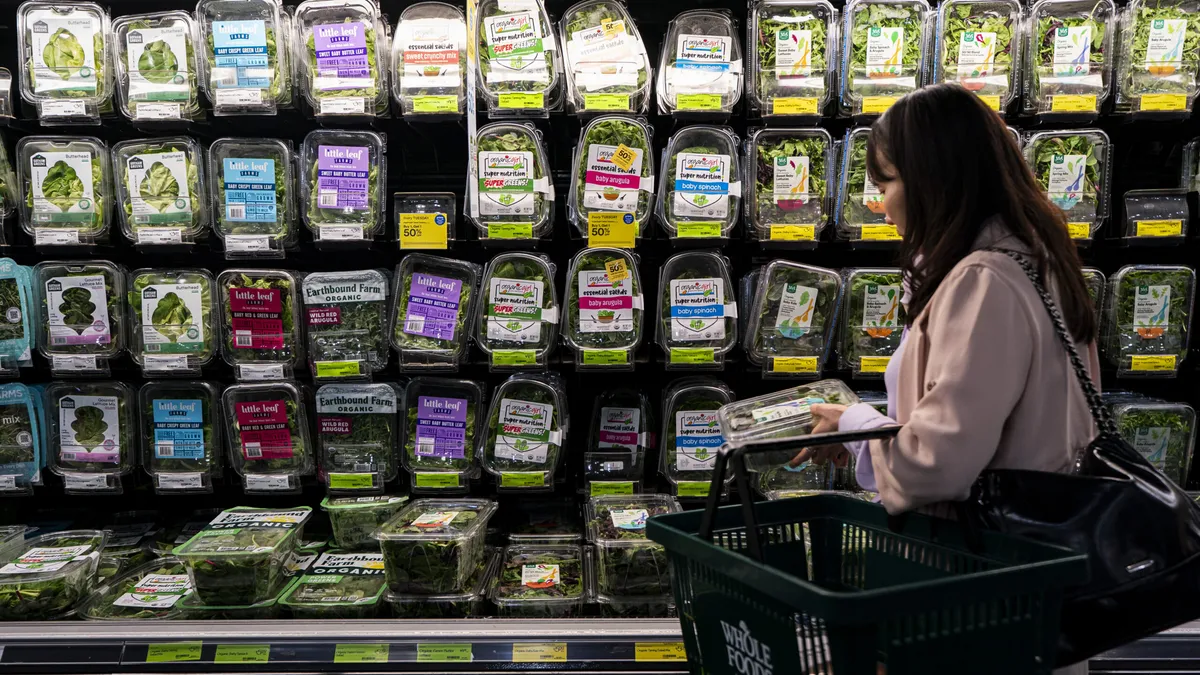
A concerning outbreak of cyclospora infections has surged across the United States, with Michigan reporting an alarming spike in cases. As federal and state health officials investigate the situation, lettuce and Taco Bell have emerged as primary suspects in this foodborne illness crisis. With the number of reported cases far exceeding historical averages, understanding the implications of this outbreak and how to protect yourself is crucial.
The current situation has raised significant alarm, especially among consumers who rely on these food sources. As health officials scramble to determine the exact source of the infections, individuals must stay informed about potential risks associated with their food.
Understanding Cyclospora and Its Impact
Cyclospora cayetanensis is a single-celled parasite responsible for cyclosporiasis, an intestinal infection characterized by severe diarrhea, abdominal cramps, nausea, and fatigue. The symptoms can arise from 1 to 14 days after consuming contaminated food or water, making it challenging to trace the source of infection.
Current Outbreak Statistics
As of mid-July 2026, Michigan has reported an unprecedented 3,309 cases of cyclosporiasis, a stark increase from the typical annual average of around 50 cases. The Centers for Disease Control and Prevention (CDC) has confirmed that at least 34 states are affected, with notable case numbers in:
- New York: 470 cases
- Ohio: 397 cases
- North Carolina: 240 cases
With over 6,745 cases reported nationwide, this outbreak is significantly above the historical range of 2,000 to 5,000 cases per year, underscoring the severity of the situation.
The Role of Lettuce and Taco Bell
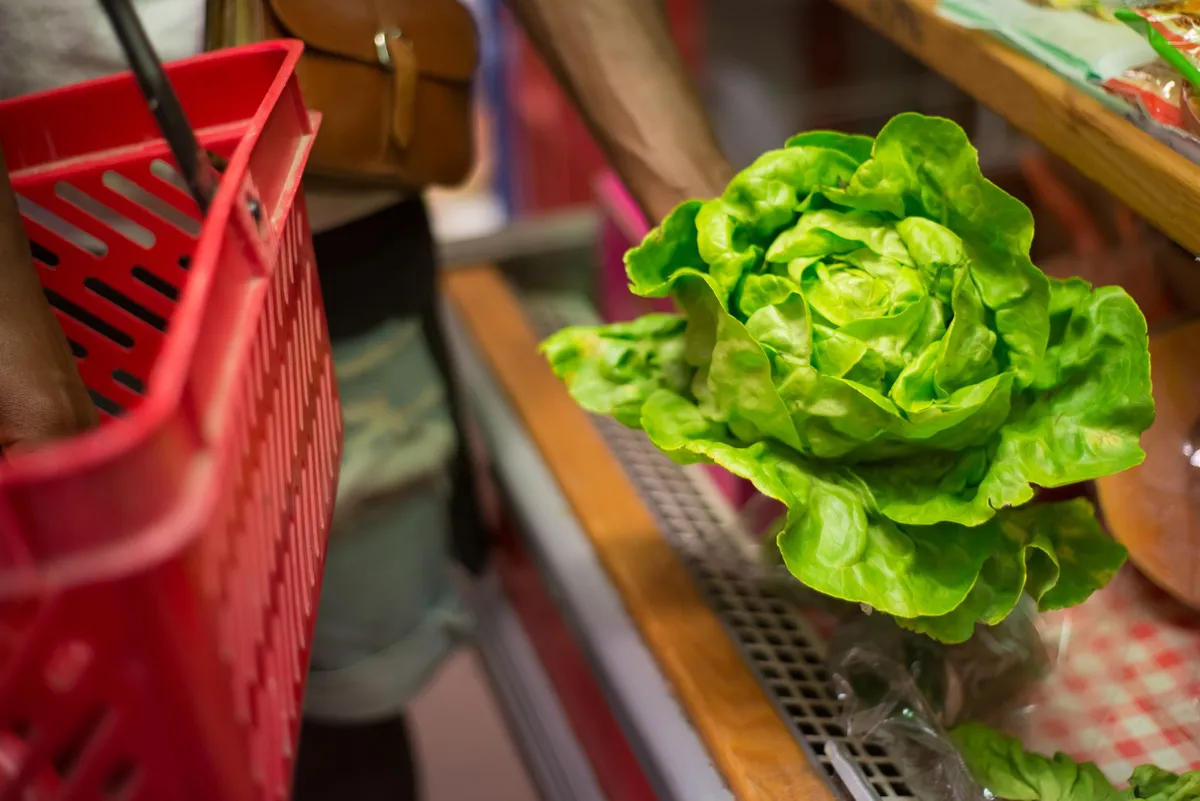
As the investigation unfolds, lettuce has emerged as a common link among those affected. Preliminary interviews conducted by the Michigan Department of Health and Human Services (MDHHS) revealed that a significant number of infected individuals had consumed leafy greens. However, officials have not confirmed a specific product responsible for the outbreak.
Adding to the complexity, Taco Bell is under scrutiny for potentially serving contaminated food. Reports indicate that some Taco Bell locations in Michigan have temporarily removed several produce items from their menus, citing a nationwide recall, though no formal recall has been announced by health authorities. This situation raises questions about the extent of risk and the effectiveness of food safety protocols within fast-food chains.
Challenges in Tracing the Source
Identifying the source of Cyclospora infections poses unique challenges. The parasite's incubation period complicates the recall process, as individuals may not connect their symptoms with the food they consumed weeks prior. Furthermore, the intricate web of food distribution networks makes pinpointing the origin of contaminated produce a daunting task. Health officials are working diligently to analyze data regarding consumer habits, genetic profiles of the parasites, and food traceability to establish a clearer picture of the outbreak.

Health Recommendations for Consumers
In light of the current outbreak, health officials recommend that consumers exercise caution when handling and consuming leafy greens. Suggestions for mitigating risks include:
- Opt for whole heads of lettuce rather than pre-packaged salads.
- Discard the outer leaves of lettuce and wash the remaining leaves thoroughly.
- Consider avoiding leafy greens entirely until the outbreak is under control.
- Cook vegetables to a safe internal temperature of at least 158°F (70°C) to kill potential pathogens.
Additionally, individuals experiencing persistent diarrhea should consult healthcare providers, as antimicrobial treatment is available for cyclosporiasis.

The Broader Context of Foodborne Illnesses
The cyclical nature of foodborne outbreaks raises broader questions about food safety measures in the United States. Past instances of cyclosporiasis have been linked to various foods, including bagged salads, fresh herbs, and certain fruits. This latest outbreak serves as a reminder of the vulnerabilities inherent in our food supply chain.
Moreover, the CDC and the Food and Drug Administration (FDA) are facing criticism for their handling of the situation, as reports indicate delays in confirming and disseminating data related to the outbreak. Stakeholders in the food industry, from producers to retailers, must prioritize food safety practices to prevent future outbreaks and protect public health.
Key Takeaways
- The current cyclospora outbreak has led to over 6,745 reported cases across the U.S., with Michigan seeing the highest numbers.
- Lettuce and Taco Bell are under investigation as potential sources of contamination.
- Consumers should take precautions when consuming leafy greens and stay informed about food safety recommendations.
- Health officials recommend consulting with healthcare providers for persistent gastrointestinal symptoms.
Frequently Asked Questions
What should I do if I experience symptoms of cyclosporiasis?
If you experience symptoms such as severe diarrhea, abdominal cramps, or nausea, it's crucial to seek medical attention. Healthcare providers can diagnose the infection and recommend appropriate treatment, which may include antimicrobial medications, hydration, and rest.
How can I ensure the produce I buy is safe?
To minimize the risk of foodborne illnesses, purchase whole heads of lettuce instead of pre-packaged salads, wash your produce thoroughly, and consider cooking vegetables when possible. Being vigilant about food sources and following safe handling practices can significantly reduce your risk of infection.
Are there risks associated with other types of produce?
Yes, other types of produce have been linked to past outbreaks of cyclosporiasis. Foods such as fresh cilantro, basil, raspberries, and green onions have been cited in previous instances. It's essential to be cautious with all fresh produce, especially during outbreak scenarios.
What measures are being taken to address the outbreak?
Health officials, including the CDC and FDA, are actively investigating the outbreak by gathering data on affected individuals, analyzing genetic profiles of the parasites, and tracing food sources. This ongoing effort aims to identify the specific source of contamination and implement measures to prevent further spread.
Comments
Unprecedented Use of Explosive Drone Boats by U.S. Military in Combat
For the first time, the U.S. military has deployed explosive drone boats in combat, targeting Iranian naval facilities. This marks a significant milestone in modern warfare, showcasing evolving military technologies and strategies.

Related articles





Popular in Cybersecurity
- Federal Mandate for Autonomous Vehicles: A Call for Safety Compliance
- EU Mandates Google to Share Data and Open AI on Android: What It Means
- GitHub Revamps Bug Bounty Program: Implications for Developers and Security
- Australian Government Disables Thousands of Functional Broadband Routers: A Wasteful Decision
- Exploiting Redis: Understanding Zero-Day Vulnerabilities and Their Mitigation