Ukrainian Drone Strikes Disrupt Russian Shipping in the Sea of Azov
Ukrainian drone strikes have effectively halted Russian shipping operations in the Sea of Azov, showcasing innovative warfare tactics that leverage unmanned systems. This strategic shift not only isolates Crimea but also impacts global grain markets, highlighting the importance of maritime control in contemporary conflicts.
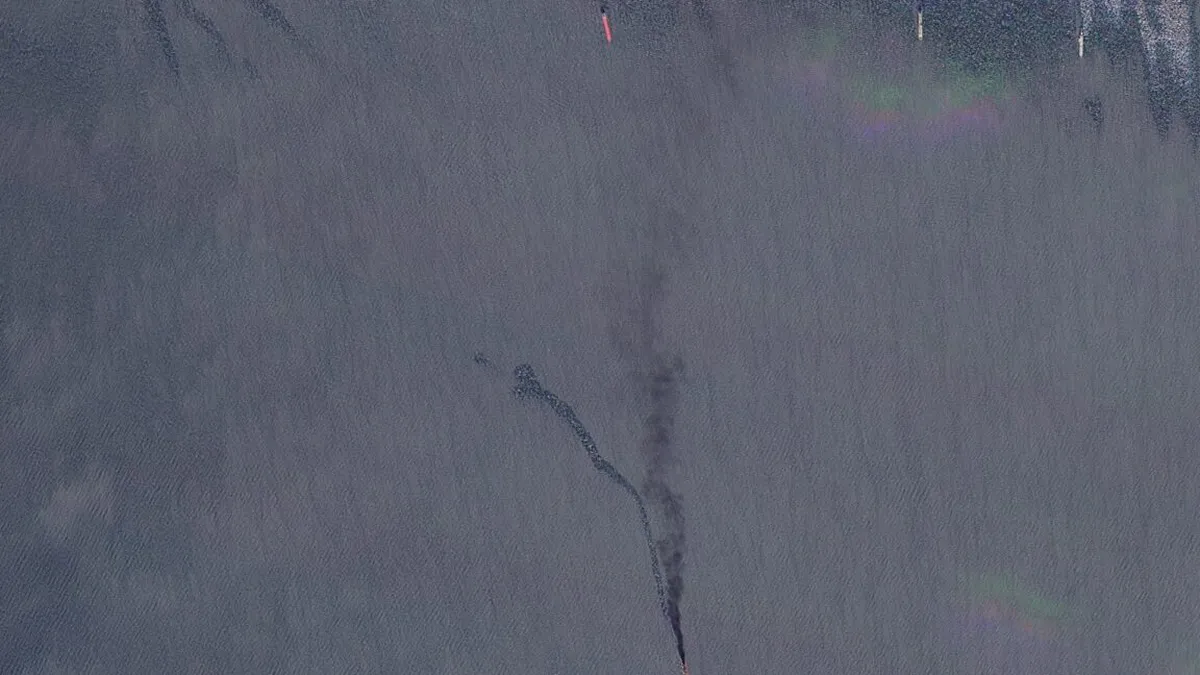
The ongoing conflict between Ukraine and Russia has taken a dramatic turn, as Ukrainian drone strikes have successfully disrupted Russian shipping operations in the Sea of Azov. This development marks a significant achievement for Ukraine, demonstrating how a nation with limited naval capabilities can effectively challenge a larger maritime power. In just under a week, from July 6 to July 13, 2026, Ukrainian forces targeted over 100 Russian vessels, forcing a complete halt to shipping in this vital corridor. As a result, the geopolitical landscape of the region is shifting, with implications that extend far beyond the immediate conflict.
For Ukraine, these drone strikes represent not only tactical victories but also a strategic move to isolate Russian-occupied Crimea and disrupt its logistics network. The repercussions of this campaign have already begun to ripple through global markets, particularly affecting grain exports, as Russia is one of the world's leading grain exporters. This article delves into the details of these drone operations, the broader implications for maritime security, and the potential effects on international trade.
The Impact of Drone Warfare on Maritime Operations
Ukraine's Unmanned Systems Forces have adeptly utilized drones to target Russian shipping in the Sea of Azov, showcasing a new phase in modern warfare. By executing nightly drone strikes, Ukrainian forces have effectively paralyzed Russian maritime operations. The strikes have primarily focused on the command-and-control centers of ships, specifically their bridges, forcing crews to abandon their vessels rather than sinking them outright.
Targeting Strategy and Effectiveness
According to Salvatore Mercogliano, a professor of history and a merchant mariner, these attacks exemplify a strategy of 'mission kill' rather than total destruction. While not sinking ships, the strikes create chaos and uncertainty within Russian shipping lanes. The use of video evidence and satellite imagery has further validated Ukraine's claims, with images showing burning vessels and smoke rising from targeted ships.

Geopolitical Ramifications: Isolating Crimea
One of the primary objectives of Ukraine’s drone campaign is to cut off Crimea from Russian logistics. The shutdown of shipping routes flowing from the Don River into the Sea of Azov has exacerbated the existing fuel rationing and power outages on the peninsula. With maritime delivery of essential supplies severely hampered, the situation in Crimea is becoming increasingly dire.
Economic Consequences for Russia
The ramifications of these strikes extend to Russia's economy as well. Restrictions on shipping are likely to impact a substantial portion of Russian grain exports, with estimates suggesting that one-quarter of these exports could be affected. Russia's status as the largest global exporter of grain means that any disruption in its shipping capabilities could lead to increased wheat prices worldwide, as markets react to the uncertainty.

Ukrainian Drone Operations Beyond the Sea of Azov
Ukraine's use of drone technology is not limited to the Sea of Azov. Recent reports indicate that Ukrainian drones have also targeted Russian vessels in the Black Sea, further illustrating their strategic versatility. For instance, on July 8, a naval drone struck a crude oil tanker near Crimea, demonstrating Ukraine's ability to extend its operational reach.
Lessons from Ukraine's Strategy
This innovative approach to maritime warfare raises questions about traditional naval strategies and the future of naval engagements. Ukraine's successful use of drones to disrupt Russian operations parallels scenarios in other regions, such as the Strait of Hormuz, where Iran has similarly leveraged drone strikes to exert control over vital shipping lanes. As international tensions rise, this pattern highlights the increasing importance of unmanned systems in modern conflict.
Key Takeaways
- Drone Warfare Effectiveness: Ukraine has demonstrated the capability of drones to disrupt maritime operations without traditional naval power.
- Economic Impact: The disruption of Russian shipping may significantly affect global grain markets and prices.
- Isolation of Crimea: Targeted strikes aim to sever logistics to Crimea, exacerbating existing shortages.
- Broader Implications: Ukraine's tactics could redefine maritime strategies globally, influencing future conflicts.
Frequently Asked Questions
How have Ukrainian drones impacted Russian shipping operations?
The recent Ukrainian drone strikes have effectively halted Russian shipping in the Sea of Azov, targeting over 100 vessels and forcing a shutdown of maritime routes. This tactic has created logistical challenges for Russia, particularly in supplying Crimea, which is already facing fuel shortages.
What are the economic implications of these strikes for Russia and global markets?
The strikes are likely to disrupt approximately one-quarter of Russian grain exports, leading to potential increases in wheat prices globally. As a significant player in the grain market, any disruption in Russian exports could have far-reaching consequences on food prices and supply chains worldwide.
What strategies are being used in modern maritime warfare?
Ukraine's approach involves using unmanned aerial systems to target the command-and-control centers of vessels, effectively creating chaos without necessarily sinking ships. This strategy emphasizes mission kills, which disrupt operations and instill fear in maritime forces.
How does this situation compare to other global maritime conflicts?
The conflict mirrors situations in regions like the Strait of Hormuz, where non-state actors and nations have used similar tactics to control vital shipping lanes. The effectiveness of drone warfare in these scenarios suggests a shift in how naval power is perceived and employed in contemporary warfare.
Comments
Securing Your Home Router: A Crucial Defense Against State-Sponsored Cyber Threats
The US government has issued a stern warning regarding the rising threat of Russian state-sponsored hackers targeting home and small office routers. This article explores the implications of these threats and offers actionable security measures for users.

Related articles





Popular in Cybersecurity
- Federal Mandate for Autonomous Vehicles: A Call for Safety Compliance
- EU Mandates Google to Share Data and Open AI on Android: What It Means
- GitHub Revamps Bug Bounty Program: Implications for Developers and Security
- Australian Government Disables Thousands of Functional Broadband Routers: A Wasteful Decision
- Exploiting Redis: Understanding Zero-Day Vulnerabilities and Their Mitigation