Securing Your Home Router: A Crucial Defense Against State-Sponsored Cyber Threats
The US government has issued a stern warning regarding the rising threat of Russian state-sponsored hackers targeting home and small office routers. This article explores the implications of these threats and offers actionable security measures for users.
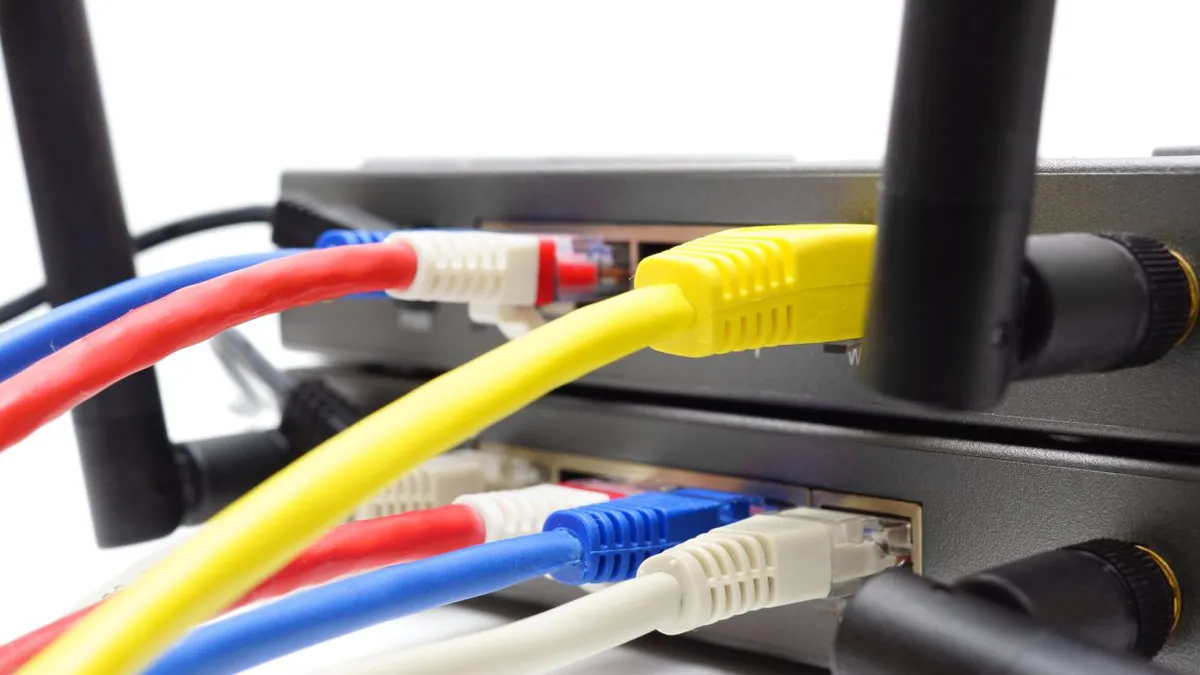
As technology continues to evolve and integrate into every aspect of our lives, so too do the threats that accompany it. The Cybersecurity and Infrastructure Security Agency (CISA) has recently issued a stark warning about Russian state-sponsored hackers actively targeting home and small office routers. This advisory serves as a wake-up call for millions of users who may unknowingly expose their networks to serious vulnerabilities. With the rise of residential proxies and sophisticated hacking tactics, the importance of securing our routers has never been more critical.
The current threat landscape is characterized by a relentless tug-of-war between state actors aiming to control vulnerable networking devices. The battle is not confined to the virtual realm; it has tangible implications for both public and private sector organizations. As these hackers exploit weaknesses in common home and office routers, the consequences can span from data breaches to the manipulation of critical infrastructure.
The Nature of the Threat
The Russian Federal Security Service (FSB) is known for its cyber operations, and its actors have been implicated in numerous hacking incidents that target critical infrastructure sectors, including communications, defense, energy, and financial services. CISA's advisory emphasizes the role of poorly configured routers as prime targets for exploitation. These devices often have security flaws that can be easily manipulated, allowing hackers to gain control and use them as part of larger botnets.
Understanding the Attack Vector
At the core of these attacks is the exploitation of the Simple Network Management Protocol (SNMP), particularly versions 1 and 2, which do not employ encryption and accept default credentials. By scanning IP ranges for routers with active SNMP agents, hackers can quickly identify vulnerable devices. Once compromised, these routers can be used to funnel malicious traffic through what appears to be a legitimate and secure network, thereby circumventing firewalls and other security measures.

Global Response and Collaboration
The advisory issued by CISA was not an isolated warning; it was part of a coordinated effort with international partners, including government agencies from Australia, Denmark, New Zealand, and the UK. This collaboration underscores the global nature of cybersecurity threats and the need for a unified response. The hacking groups involved are known by various names, such as Berserk Bear, Energetic Bear, and Crouching Yeti, and they have been operating in an environment where state-sponsored hacking has become increasingly common.
Attempts to mitigate these threats have included covert operations to disinfect compromised routers and efforts by tech giants like Google to disrupt botnets. However, the nature of cyber operations means that these efforts often resemble a game of whack-a-mole, where one compromised group is replaced by another almost instantaneously.
What Users Can Do
In light of these threats, it is imperative for home and small office router users to take proactive measures to secure their devices. Here are some essential steps to consider:
- Disable SNMP Versions 1 and 2: These versions lack basic security measures such as password encryption. Use SNMP version 3 or disable SNMP entirely unless necessary.
- Change Default Passwords: Many routers come with default passwords that are easily guessable. Create strong, unique passwords for your devices.
- Regular Firmware Updates: Ensure that your router's firmware is up-to-date to protect against known vulnerabilities.
- Disable Unused Protocols: Turn off any networking protocols that are not needed for your operations to reduce potential attack vectors.
- Disable Cisco Smart Install: This feature can introduce vulnerabilities and should be turned off on all devices.
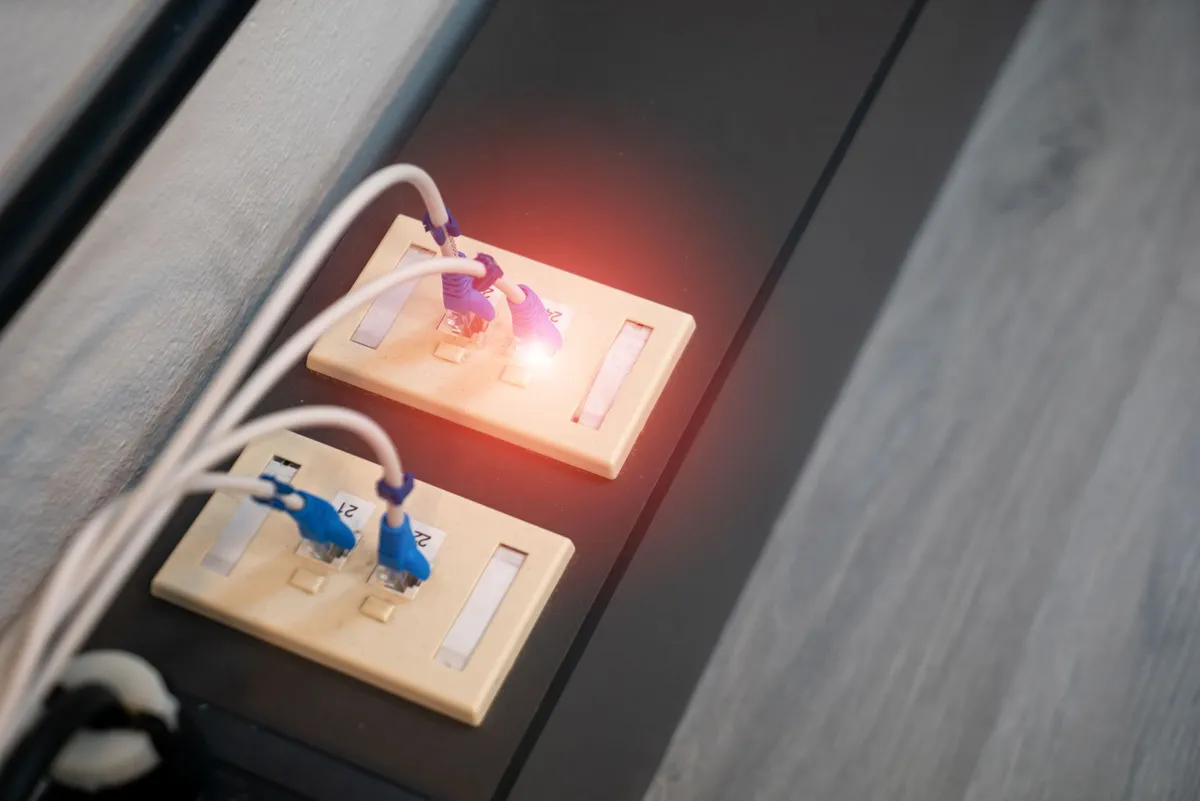
The Importance of Vigilance
While the advisory specifically highlights Russian state actors, it’s essential to understand that the threat landscape is not limited to one country. Cybercriminals from various backgrounds leverage these same tactics for financial gain, often using similar infrastructure to compromise devices. This dual threat from state-sponsored hackers and financially motivated criminals necessitates a vigilant approach to cybersecurity.
The use of residential proxies, which can consist of millions of streaming devices embedded with malware, exemplifies the lengths to which cybercriminals will go to obscure their identities. These proxies can complicate detection efforts, making it even more critical for users to safeguard their routers and other networking devices.
Key Takeaways
- Russian state-sponsored hackers are actively targeting home and small office routers.
- Compromised routers can be used as exit nodes for attacks against critical infrastructure.
- Users should take immediate action to secure their devices by following best practices.
- International cooperation is essential in combating these cyber threats.
- The threat landscape is dynamic, necessitating ongoing vigilance and updates to security measures.
Frequently Asked Questions
What is SNMP and why is it vulnerable?
Simple Network Management Protocol (SNMP) is a widely used protocol for managing and monitoring network devices. Versions 1 and 2 have significant vulnerabilities, including a lack of encryption for passwords and reliance on default settings that can be easily exploited by attackers. To mitigate risks, it is recommended to use SNMP version 3, which offers enhanced security features.
How can I tell if my router has been compromised?
Signs of a compromised router can include unusual network traffic, unexpected changes to router settings, or devices connected to your network that you do not recognize. If you suspect your router has been compromised, it is advisable to reset it to factory settings and update the firmware immediately. Additionally, you can monitor network activity for any suspicious behavior.
What should I do if I find vulnerabilities in my router?
If you discover vulnerabilities in your router, the first step is to apply all available firmware updates. Next, change any default passwords to strong, unique ones. If the vulnerabilities are severe and cannot be patched, consider replacing the device with a more secure model. Regular maintenance and monitoring of your network can help prevent future issues.
Are there additional resources for securing my router?
Yes, various online resources provide guidance on securing routers, including the official CISA website, manufacturer support pages, and cybersecurity blogs. Additionally, consider tools like network monitoring applications to keep an eye on your home network, ensuring that you are alerted to any unusual activity or potential threats.
Comments
Ukrainian Drone Strikes Disrupt Russian Shipping in the Sea of Azov
Ukrainian drone strikes have effectively halted Russian shipping operations in the Sea of Azov, showcasing innovative warfare tactics that leverage unmanned systems. This strategic shift not only isolates Crimea but also impacts global grain markets, highlighting the importance of maritime control in contemporary conflicts.

Related articles




Popular in Cybersecurity
- Federal Mandate for Autonomous Vehicles: A Call for Safety Compliance
- EU Mandates Google to Share Data and Open AI on Android: What It Means
- GitHub Revamps Bug Bounty Program: Implications for Developers and Security
- Australian Government Disables Thousands of Functional Broadband Routers: A Wasteful Decision
- Exploiting Redis: Understanding Zero-Day Vulnerabilities and Their Mitigation