Exploited Joomla Flaws: Understanding Zero-Day Vulnerabilities and Prevention
Recent zero-day vulnerabilities in iCagenda and Balbooa Forms for Joomla have sparked concerns about software security. This article explores the implications of these flaws and offers steps for organizations to secure their systems against similar threats.
In a landscape where digital threats are evolving at an unprecedented pace, the recent discovery of zero-day vulnerabilities in Joomla extensions iCagenda and Balbooa Forms raises alarming concerns for website security. Zero-day vulnerabilities are security flaws that are exploited by attackers before the vendor has a chance to issue a patch, leaving users defenseless. The ramifications of such vulnerabilities can be severe, particularly for businesses relying on these platforms to manage critical functions. This article delves into the nature of these exploits, their potential impact, and essential strategies organizations can implement to safeguard their systems against future threats.
Understanding Zero-Day Vulnerabilities
Zero-day vulnerabilities are a unique subset of security flaws that pose significant risks. When attackers discover a vulnerability before the software vendor is aware, they can exploit it for malicious purposes, such as data theft, unauthorized access, or even deploying ransomware. The term 'zero-day' refers to the fact that the vendor has had zero days to address the vulnerability, leaving users exposed until a patch is released.
In the case of Joomla, a widely-used content management system (CMS), the vulnerabilities found in the iCagenda and Balbooa Forms extensions serve as a stark reminder of the importance of vigilance in software security. As more organizations adopt open-source solutions for flexibility and cost-effectiveness, the potential for such vulnerabilities to be exploited increases, especially if timely updates and security practices are not followed.
The Implications of Exploited Joomla Extensions
The exploitation of vulnerabilities in Joomla extensions can have far-reaching consequences for businesses that rely on these tools. Here are some of the main implications:
- Data Breaches: Attackers can gain unauthorized access to sensitive information stored within Joomla sites, leading to potential data breaches.
- Reputation Damage: A successful attack can severely damage an organization's reputation, resulting in loss of customer trust and revenue.
- Financial Loss: The costs associated with remediation, legal fees, and potential regulatory fines can accumulate quickly following a security incident.
- Service Disruption: Exploited vulnerabilities can result in service outages, impacting the availability of websites and online services.
Organizations utilizing Joomla or similar platforms must recognize the critical nature of these vulnerabilities and take proactive measures to mitigate the associated risks.

Steps to Secure Against Software Vulnerabilities
To protect against the risks posed by zero-day vulnerabilities, organizations can implement several best practices:
1. Regularly Update Software
One of the most effective ways to secure systems is to ensure that all software, including plugins and extensions, is kept up to date. This includes applying security patches and updates as soon as they become available. Many software vendors provide notifications about new updates, so it's essential to monitor these closely.
2. Employ Web Application Firewalls (WAF)
Web Application Firewalls can act as a buffer between your web applications and potential attackers. By filtering and monitoring HTTP traffic, WAFs can help detect and block malicious activities, providing an additional layer of security against common exploits.
3. Conduct Regular Security Audits
Regular security assessments can help identify vulnerabilities within your systems before they can be exploited. Engaging security professionals to conduct penetration testing can provide valuable insights into potential weaknesses.
4. Educate Employees
Human error remains one of the leading causes of security breaches. Regular training sessions can help employees recognize phishing attempts and other social engineering tactics, reducing the likelihood of successful attacks.
5. Implement a Robust Backup Strategy
Having a reliable backup strategy is crucial. In the event of a successful attack, organizations should have secure backups to revert to, minimizing the potential impact of data loss. Regularly test these backups to ensure they are functional and accessible.

Key Takeaways
- Zero-day vulnerabilities in Joomla extensions pose significant security risks.
- Organizations must prioritize software updates and security patches.
- Implementing a Web Application Firewall can provide an additional layer of protection.
- Regular security audits and employee training are essential for minimizing risks.
- A robust backup strategy is critical for disaster recovery.
Frequently Asked Questions
What are zero-day vulnerabilities?
Zero-day vulnerabilities are flaws in software that are unknown to the vendor and can be exploited by attackers. These vulnerabilities can lead to unauthorized access, data breaches, or service disruptions, making them particularly dangerous in cybersecurity.
How can organizations prevent zero-day attacks?
Organizations can prevent zero-day attacks by keeping their software updated, implementing security measures such as Web Application Firewalls, conducting regular security audits, educating employees about security best practices, and establishing a robust backup strategy to mitigate potential damage from attacks.
What should organizations do if they suspect a breach?
If an organization suspects a security breach, it should immediately take steps to contain the incident, such as disconnecting affected systems from the network. Next, notify relevant stakeholders, including customers and law enforcement if necessary, and then conduct a thorough investigation to assess the extent of the breach and remediate any vulnerabilities.
Comments
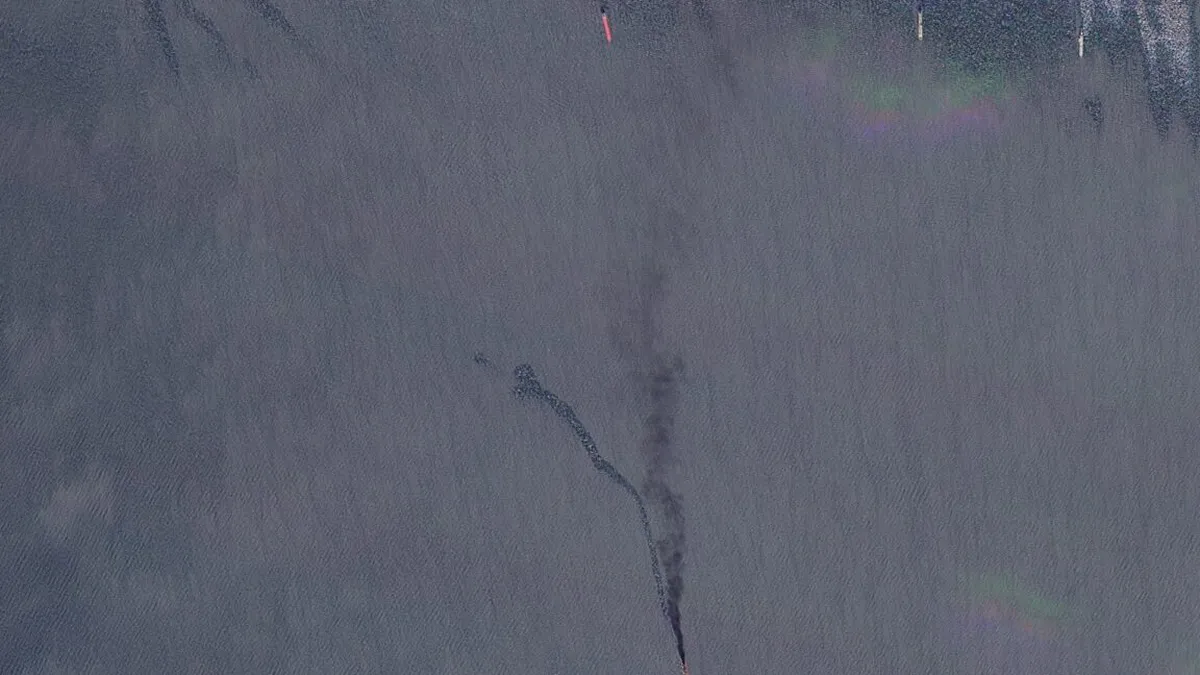
Ukrainian Drone Strikes Disrupt Russian Shipping in the Sea of Azov
Ukrainian drone strikes have effectively halted Russian shipping operations in the Sea of Azov, showcasing innovative warfare tactics that leverage unmanned systems. This strategic shift not only isolates Crimea but also impacts global grain markets, highlighting the importance of maritime control in contemporary conflicts.
Related articles





Popular in Cybersecurity
- Federal Mandate for Autonomous Vehicles: A Call for Safety Compliance
- EU Mandates Google to Share Data and Open AI on Android: What It Means
- GitHub Revamps Bug Bounty Program: Implications for Developers and Security
- Australian Government Disables Thousands of Functional Broadband Routers: A Wasteful Decision
- Exploiting Redis: Understanding Zero-Day Vulnerabilities and Their Mitigation