Laser Attack Compromises Tangem Wallets: What You Need to Know
A recent laser attack on Tangem Wallets has raised serious concerns about the security of hardware wallets. Here’s what it means for users and how to protect your assets.
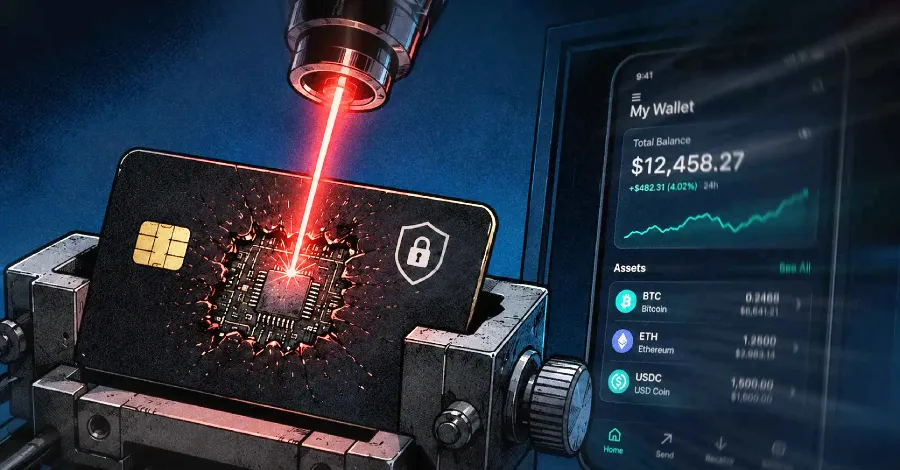
In a stunning breach of security, Tangem Wallets—known for their innovative approach to cryptocurrency storage—have fallen victim to a sophisticated laser attack. This incident has reset the passwords on these cards, rendering traditional patching methods ineffective. As cryptocurrency continues to gain traction among investors and businesses alike, understanding the implications of such vulnerabilities is crucial for safeguarding digital assets.
The Tangem Wallet, designed to provide secure storage for cryptocurrencies, is essentially a smart card embedded with a secure chip. While it offers a level of convenience and security that many users appreciate, the recent attack reveals a critical flaw that could have far-reaching consequences for its users. In this article, we will explore the details of the laser attack, its implications for the cryptocurrency community, and essential steps users can take to protect their digital investments.
Understanding the Laser Attack
The laser attack on Tangem Wallets represents a new frontier in cybersecurity threats targeting hardware wallets. Unlike traditional hacking methods that often rely on software vulnerabilities, this attack exploits physical access to the wallet card. By using a focused beam of light, attackers can manipulate the card's secure chip, leading to unauthorized access and password resets. This method is particularly alarming because it bypasses the software defenses that users typically rely on, leaving them exposed to potential theft.
How the Attack Works
The mechanics of the laser attack involve precision targeting of the secure element within the Tangem Wallet. This secure element is designed to be tamper-resistant, but with the right tools, it can be compromised. Attackers can use a laser to disrupt the chip’s operations, allowing them to reset passwords and gain access to stored cryptocurrencies. The implications of this are severe, as it opens the door for criminals to potentially drain wallets of their digital currencies.

The Implications for Cryptocurrency Users
This incident raises significant questions about the security of hardware wallets in general. For many users, hardware wallets are seen as a safer alternative to software wallets, which are more susceptible to online attacks. However, this laser attack demonstrates that physical security is equally important. Users must now reassess their trust in hardware wallets and consider the risks associated with their use.
Market Reactions and User Concerns
The cryptocurrency market reacted swiftly to the news of the Tangem Wallet attack. Some users expressed outrage over the vulnerability, while others questioned the overall reliability of hardware wallets. Investors who rely on these devices to store significant amounts of cryptocurrency may feel compelled to take immediate action to protect their assets. As a result, there has been a surge in discussions about alternative storage solutions and enhanced security measures.
- Increased awareness: Users are now more aware of the physical vulnerabilities associated with hardware wallets.
- Demand for improvements: There is a growing expectation for manufacturers to enhance the security features of their products.
- Shift to multi-signature solutions: Users may explore multi-signature wallets for added security.

What Users Can Do to Protect Their Assets
Given the risks highlighted by the Tangem Wallet incident, users must take proactive steps to secure their cryptocurrency investments. Here are several measures to consider:
1. Utilize Multi-Signature Wallets
Multi-signature wallets require multiple private keys to authorize a transaction, adding an extra layer of security. Even if one key is compromised, without access to the others, attackers cannot access the funds.
2. Keep Hardware Wallets in Secure Locations
Physical security is paramount. Users should store their hardware wallets in secure environments, such as safes or safety deposit boxes, to prevent unauthorized physical access.
3. Regularly Update Security Practices
Users need to stay informed about the latest security threats and adapt their practices accordingly. This can include following updates from wallet manufacturers and the broader cryptocurrency community.
4. Consider Software Wallet Backups
While hardware wallets are generally safer, having a backup software wallet can provide an additional layer of security. Users should ensure that their software wallets are secured with strong passwords and two-factor authentication.

Key Takeaways
- The Tangem Wallet laser attack highlights significant vulnerabilities in hardware wallet security.
- Users must reassess their reliance on hardware wallets and consider the physical security measures necessary to protect their assets.
- Implementing multi-signature wallets and keeping hardware wallets secure can significantly reduce risks.
Frequently Asked Questions
What is a Tangem Wallet?
A Tangem Wallet is a type of hardware wallet designed to securely store cryptocurrencies. It resembles a smart card and includes a secure chip that manages private keys. Users can interact with the wallet through compatible applications to manage their digital assets.
How does the laser attack work?
The laser attack involves using a focused beam of light to manipulate the secure chip inside the Tangem Wallet. By disrupting its operations, attackers can reset passwords and gain unauthorized access to the funds stored on the card. This method poses a unique challenge as it bypasses traditional software defenses.
What can I do to protect my cryptocurrency investments?
To protect your cryptocurrency investments, consider using multi-signature wallets, physically securing your hardware wallets, staying updated on security threats, and having backup software wallets. Each of these measures can significantly enhance the overall security of your digital assets.
Comments
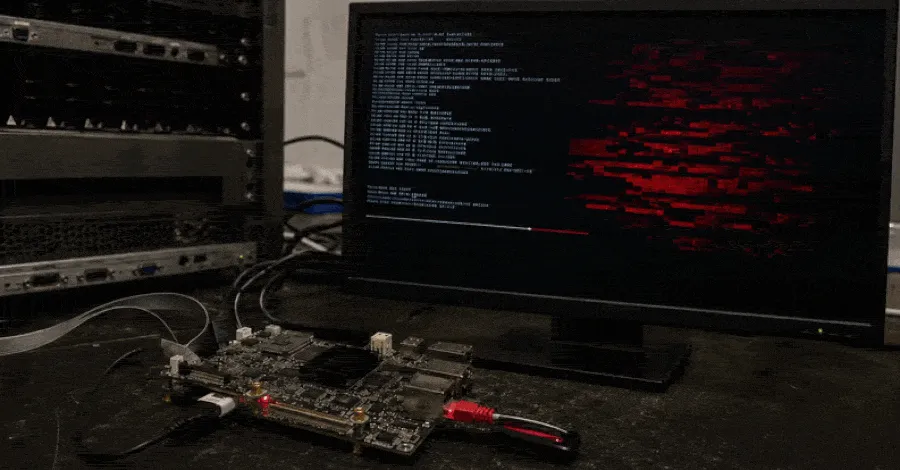
Navigating the Threat Landscape: U-Boot Vulnerabilities and AI in Cybersecurity
Recent discoveries of vulnerabilities in U-Boot highlight the critical need for robust device security. Coupled with AI advancements, organizations can better protect themselves against emerging threats.
Related articles




Popular in Cybersecurity
- Federal Mandate for Autonomous Vehicles: A Call for Safety Compliance
- EU Mandates Google to Share Data and Open AI on Android: What It Means
- GitHub Revamps Bug Bounty Program: Implications for Developers and Security
- Australian Government Disables Thousands of Functional Broadband Routers: A Wasteful Decision
- Exploiting Redis: Understanding Zero-Day Vulnerabilities and Their Mitigation