Securing Your Digital Assets: Lessons from the Injective Labs GitHub Compromise
The recent GitHub compromise at Injective Labs highlights critical security vulnerabilities in the software supply chain. This article explores how to protect your organization against similar threats by leveraging AI and best practices.
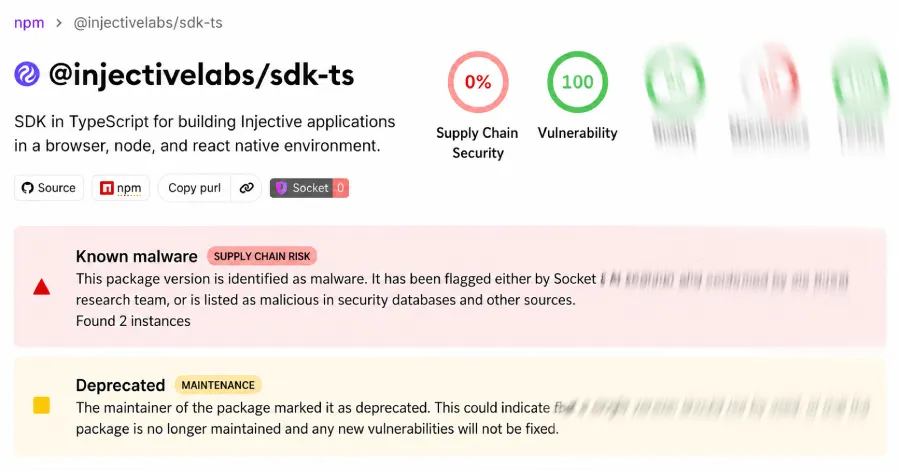
The digital landscape is ever-evolving, and with it comes an array of cybersecurity threats that can jeopardize the integrity of software applications. Recently, the compromise of Injective Labs' GitHub repository revealed a significant vulnerability: malicious npm packages capable of stealing wallet keys. As organizations increasingly rely on open-source software and third-party libraries, understanding and mitigating these risks is more critical than ever.
This incident serves as a wake-up call for developers and organizations alike, emphasizing that the software supply chain is as vulnerable as it is vital. In this article, we will delve into the implications of the Injective Labs compromise, explore how artificial intelligence (AI) can enhance security measures, and provide actionable steps to safeguard your digital assets.
The Injective Labs Incident: A Closer Look
Injective Labs, known for its decentralized finance (DeFi) applications, experienced a security breach that exposed its GitHub repository to malicious npm packages. These packages were designed to extract sensitive information, such as wallet keys, from unsuspecting users. This incident underscores a growing trend where attackers exploit the software supply chain to compromise applications and access sensitive data.
According to industry reports, the use of compromised npm packages has surged, making it easier for attackers to infiltrate systems without detection. The Injective Labs breach serves as a stark reminder of the vulnerabilities associated with open-source software, where trust is often placed in community-maintained packages that may not always be secure.

The Role of AI in Cybersecurity
As the cybersecurity landscape continues to evolve, AI has emerged as a powerful ally in identifying and mitigating threats before they escalate. Machine learning algorithms can analyze vast amounts of data to detect anomalous behavior that may indicate a potential security breach.
AI-Driven Vulnerability Detection
AI can help organizations identify vulnerabilities in their codebases by:
- Automating Code Reviews: AI tools can conduct thorough examinations of code for known vulnerabilities, ensuring that potential security issues are caught early in the development process.
- Real-Time Threat Intelligence: AI can analyze patterns from past security incidents to predict and prevent future attacks.
- Behavioral Analytics: By monitoring user behavior, AI can identify deviations that may suggest compromised accounts or malicious activity.
Incorporating AI into security protocols not only enhances threat detection but also streamlines the response to incidents, allowing organizations to act swiftly in the face of potential breaches.

Five Steps to Secure Your Organization
To safeguard against vulnerabilities like those exposed in the Injective Labs incident, organizations must adopt a proactive approach to security. Here are five steps to fortify your defenses:
1. Implement Code Audits
Regular code audits can help identify vulnerabilities before they are exploited. Engaging third-party security experts to perform these audits can provide an objective assessment of your code's security posture.
2. Monitor Dependencies
Keep a close eye on third-party libraries and packages. Use tools like npm audit to identify known vulnerabilities in dependencies and ensure they are regularly updated.
3. Educate Your Team
Training developers and staff on security best practices is crucial. Awareness of common vulnerabilities, such as those highlighted by the OWASP Top Ten, can empower teams to write more secure code.
4. Leverage AI Tools
Invest in AI-driven security tools that can proactively scan for vulnerabilities and provide real-time threat intelligence. These tools can help keep your organization one step ahead of potential attacks.
5. Establish an Incident Response Plan
Having a well-defined incident response plan ensures that your organization can quickly react to a security breach. This plan should include communication protocols, roles and responsibilities, and steps to mitigate damage.

Key Takeaways
- The Injective Labs GitHub compromise underscores the vulnerabilities present in the software supply chain.
- AI can significantly enhance cybersecurity measures by automating vulnerability detection and providing real-time threat intelligence.
- Organizations should implement regular code audits and monitor third-party dependencies to mitigate risks.
- Employee education on security best practices is essential for maintaining a secure development environment.
- An incident response plan is crucial for quickly addressing potential breaches and minimizing damage.
Frequently Asked Questions
What are npm packages, and why are they a security risk?
npm packages are reusable code libraries that developers can integrate into their applications to streamline development. However, because these packages are often maintained by third parties, they can introduce security vulnerabilities if not properly vetted. Attackers can exploit these vulnerabilities to access sensitive data or compromise entire systems.
How can AI enhance my organization’s cybersecurity posture?
AI enhances cybersecurity by providing advanced threat detection capabilities, automating routine security tasks, and analyzing patterns in user behavior to identify potential threats. By leveraging AI, organizations can gain deeper insights into their security landscape and respond more effectively to incidents.
What should I do if I suspect a security breach?
If you suspect a security breach, it is crucial to act quickly. Begin by isolating affected systems to prevent further damage, then assess the extent of the compromise. Notify relevant stakeholders and follow your organization’s incident response plan to manage the situation effectively.
Are there specific tools I should use to monitor vulnerabilities?
Yes, several tools can help monitor vulnerabilities within your code and dependencies. Tools like Snyk, WhiteSource, and Dependabot can automatically check for known vulnerabilities in your codebase and alert you to potential risks. Regularly using these tools can help ensure a more secure development environment.
Comments
Laser Attack Compromises Tangem Wallets: What You Need to Know
A recent laser attack on Tangem Wallets has raised serious concerns about the security of hardware wallets. Here’s what it means for users and how to protect your assets.

Related articles




Popular in Cybersecurity
- Federal Mandate for Autonomous Vehicles: A Call for Safety Compliance
- EU Mandates Google to Share Data and Open AI on Android: What It Means
- GitHub Revamps Bug Bounty Program: Implications for Developers and Security
- Australian Government Disables Thousands of Functional Broadband Routers: A Wasteful Decision
- Exploiting Redis: Understanding Zero-Day Vulnerabilities and Their Mitigation