Navigating the Threat Landscape: U-Boot Vulnerabilities and AI in Cybersecurity
Recent discoveries of vulnerabilities in U-Boot highlight the critical need for robust device security. Coupled with AI advancements, organizations can better protect themselves against emerging threats.
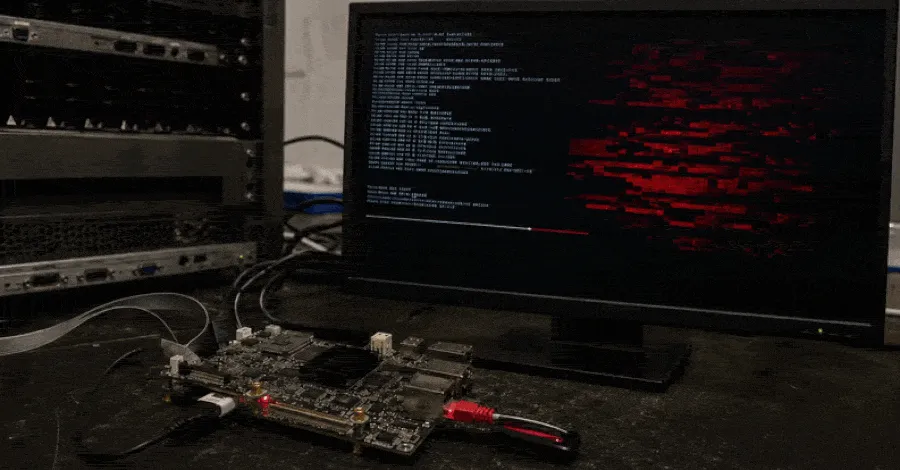
The cybersecurity landscape is perpetually evolving, with new threats emerging at an alarming rate. Recently, six critical vulnerabilities were discovered in U-Boot, a popular open-source bootloader used in various embedded systems. These vulnerabilities could potentially allow malicious actors to crash devices or execute arbitrary code during the boot process, raising significant concerns for manufacturers and users alike. This situation underscores the importance of ongoing vigilance and proactive security measures in an age where cyber threats are increasingly sophisticated.
As organizations grapple with the implications of these vulnerabilities, they are also turning to artificial intelligence (AI) as a potent tool in their cybersecurity arsenal. AI models have shown remarkable promise in identifying and mitigating software vulnerabilities, providing a dual approach to enhancing security across devices and networks. In this article, we will delve into the specifics of the U-Boot vulnerabilities, the potential ramifications for affected devices, and how organizations can leverage AI to bolster their defenses.
Understanding U-Boot Vulnerabilities
U-Boot serves as the foundation for many embedded systems, including networking equipment, IoT devices, and other hardware that relies on bootloaders for initialization. The recently discovered vulnerabilities could be classified as:
- Denial of Service (DoS): Some flaws could allow attackers to crash devices, rendering them inoperable during the boot process.
- Remote Code Execution: Certain vulnerabilities could enable malicious users to run arbitrary code at boot, potentially taking full control of the device.
- Memory Corruption: Flaws that lead to improper memory handling could be exploited to manipulate device behavior.
The implications of these vulnerabilities are vast. For instance, a compromised bootloader could lead to a cascading failure of a device’s functionality, impacting everything from consumer electronics to critical infrastructure systems. Manufacturers must act swiftly to patch these vulnerabilities to prevent exploitation.

The Role of AI in Cybersecurity
As the cybersecurity landscape becomes increasingly complex, organizations are turning to AI to enhance their defensive strategies. AI can be particularly effective in identifying and mitigating software vulnerabilities by utilizing advanced algorithms and machine learning techniques. Here’s how AI is transforming the cybersecurity sphere:
Proactive Threat Detection
AI models can analyze vast amounts of data to identify patterns indicative of potential vulnerabilities. By continuously learning from new data, these models can adapt and improve their detection capabilities, providing organizations with a proactive approach to threat management.
Automated Vulnerability Assessment
AI-driven tools can automate the process of scanning for vulnerabilities, significantly reducing the time and effort required for manual assessments. This automation allows cybersecurity teams to focus on more strategic tasks while ensuring that vulnerabilities are identified and addressed promptly.
Incident Response Optimization
In the event of a security incident, AI can assist in the response process by analyzing the situation in real-time and recommending appropriate remediation actions. This capability can help organizations respond more effectively to threats and minimize potential damage.

Steps to Secure Against U-Boot Vulnerabilities
Organizations must take immediate and effective action to secure their devices against the newly discovered U-Boot vulnerabilities. Here are five critical steps to enhance their security posture:
- Update Bootloaders: Manufacturers and users should ensure that their devices are equipped with the latest version of U-Boot, which includes patches for the identified vulnerabilities.
- Conduct Regular Security Audits: Regularly assessing the security of devices and systems can help identify vulnerabilities before they are exploited.
- Implement Access Controls: Restricting access to critical systems can help prevent unauthorized users from exploiting vulnerabilities.
- Utilize AI-Driven Security Solutions: Deploying AI-based tools can enhance vulnerability detection and response capabilities, providing a more robust defense against cyber threats.
- Educate Employees: Training staff on cybersecurity best practices can significantly reduce the risk of human error leading to security incidents.

Key Takeaways
- Six critical vulnerabilities in U-Boot could allow malicious actors to crash devices or execute code at boot.
- AI plays a crucial role in enhancing cybersecurity, from threat detection to incident response.
- Organizations should take immediate action to secure their devices by updating bootloaders and implementing proactive security measures.
Frequently Asked Questions
What is U-Boot, and why is it important?
U-Boot is an open-source bootloader widely used in embedded systems, including consumer electronics and IoT devices. It is critical for initializing hardware and loading the operating system. Given its prevalence, vulnerabilities in U-Boot can have far-reaching consequences across various industries.
How can AI improve cybersecurity measures?
AI enhances cybersecurity by providing advanced capabilities in threat detection, vulnerability assessment, and incident response. By analyzing large datasets and identifying patterns, AI models can help organizations proactively address vulnerabilities and respond to threats more effectively.
What immediate actions should organizations take in light of the U-Boot vulnerabilities?
Organizations must prioritize updating their U-Boot implementations to mitigate the identified vulnerabilities. Additionally, conducting regular security audits, implementing access controls, and investing in AI-driven security solutions are essential steps to enhance overall security posture.
Are there specific industries more affected by U-Boot vulnerabilities?
Industries that rely heavily on embedded systems, such as telecommunications, automotive, and healthcare, are particularly affected by U-Boot vulnerabilities. A compromised bootloader in these sectors can lead to significant operational disruptions and security risks, making it imperative for organizations in these fields to act swiftly.
Comments
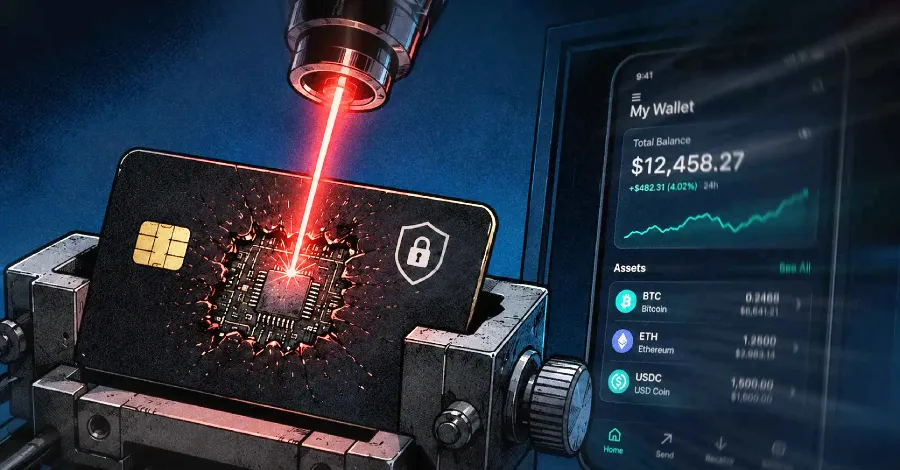
Laser Attack Compromises Tangem Wallets: What You Need to Know
A recent laser attack on Tangem Wallets has raised serious concerns about the security of hardware wallets. Here’s what it means for users and how to protect your assets.
Related articles




Popular in Cybersecurity
- Federal Mandate for Autonomous Vehicles: A Call for Safety Compliance
- EU Mandates Google to Share Data and Open AI on Android: What It Means
- GitHub Revamps Bug Bounty Program: Implications for Developers and Security
- Australian Government Disables Thousands of Functional Broadband Routers: A Wasteful Decision
- Exploiting Redis: Understanding Zero-Day Vulnerabilities and Their Mitigation