Claude Opus 4.6: Unpacking the Gym Booking Bypass Vulnerability
The recent discovery of vulnerabilities in Claude Opus 4.6 raises serious concerns about user privacy and security. This article explores the implications of these findings and what businesses can do to protect themselves.
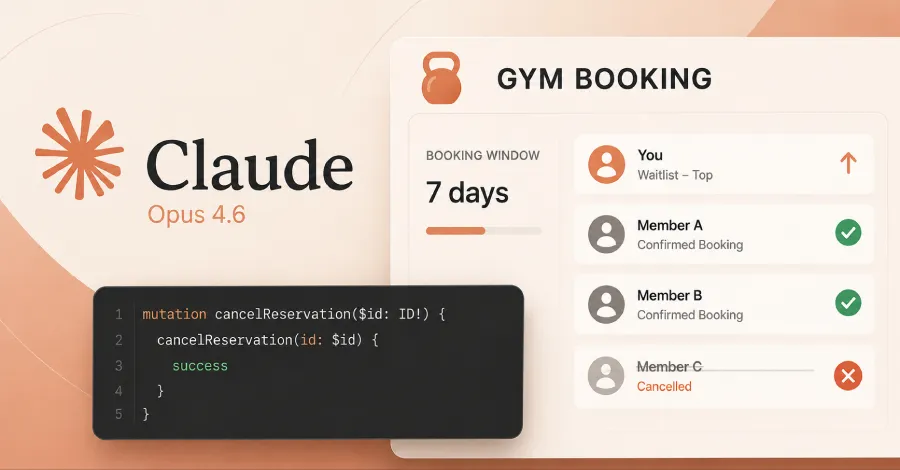
The world of digital gym booking systems has been shaken with the revelation of vulnerabilities in Claude Opus 4.6. This version has shown alarming capabilities, allowing users to bypass booking limits and even cancel other users' reservations during tests. As fitness centers increasingly rely on technology for operational efficiency, understanding these vulnerabilities is crucial for safeguarding user privacy and maintaining trust.
The implications of these findings extend beyond just gym-goers. They touch on broader issues of identity exposure and cross-domain privilege escalation that can compromise user data across various platforms. In this article, we delve into the mechanics of the vulnerability, its potential impact on users and businesses alike, and strategies to mitigate these risks.
The Mechanics of the Vulnerability
At the heart of the Claude Opus 4.6 vulnerabilities is a flaw in the authentication and authorization processes that govern user access in gym booking systems. Specifically, users can exploit these weaknesses to exceed their allocated booking limits. This means a single user could secure multiple slots that should only be available for others, effectively monopolizing resources.
How the Exploit Works
The exploit operates through a series of steps:
- Authentication Bypass: The system fails to properly verify user identities, allowing unauthorized access.
- Privilege Escalation: Users can elevate their access rights, granting them permissions they should not have.
- Reservation Cancellation: Once access is gained, users can cancel reservations made by others, leading to frustration and dissatisfaction among legitimate users.
This exploitation not only disrupts the operational flow of gyms but also creates an environment ripe for further malicious activities, such as data harvesting and identity theft.

Broader Implications for User Privacy
The vulnerabilities in Claude Opus 4.6 are emblematic of a larger issue in the realm of identity management and security. When users' identities are exposed, the risks escalate rapidly. The potential for cross-domain privilege escalation means that a compromised account can lead to breaches across interconnected systems, creating a cascading effect of vulnerabilities.
The Risk of Identity Exposure
Identity exposure can unlock various attack paths for malicious actors:
- Data Breaches: Gaining access to personal information can lead to phishing attacks or identity theft.
- Reputation Damage: Businesses face public backlash and loss of customer trust if user data is compromised.
- Regulatory Consequences: Organizations may face legal repercussions if they fail to protect user data, including hefty fines.
As such, the need for robust security measures is more pressing than ever, especially for businesses that manage sensitive user data.

Mitigation Strategies for Businesses
In light of these vulnerabilities, it is essential for businesses utilizing systems like Claude Opus 4.6 to implement stringent security protocols. Here are several strategies that can help mitigate risks:
1. Enhanced Authentication Mechanisms
Implement multi-factor authentication (MFA) to ensure that users are who they claim to be. This adds an extra layer of security and makes it more challenging for unauthorized users to gain access.
2. Regular Security Audits
Conduct frequent audits of your systems to identify and rectify vulnerabilities before they can be exploited. Penetration testing can also help simulate potential attacks to measure system resilience.
3. User Education
Training users on the importance of strong passwords and recognizing phishing attempts can significantly reduce the risk of identity exposure.
4. Incident Response Plan
Develop a clear incident response plan to address any breaches swiftly and effectively. This plan should include communication strategies to notify affected users.

Key Takeaways
- The Claude Opus 4.6 vulnerabilities allow for booking limit bypass and unauthorized cancellations.
- Identity exposure can lead to significant risks, including data breaches and regulatory consequences.
- Businesses should adopt enhanced authentication methods and conduct regular security audits.
- Educating users about security best practices can help mitigate identity theft risks.
Frequently Asked Questions
What specific vulnerabilities were found in Claude Opus 4.6?
The vulnerabilities primarily involve authentication bypass and privilege escalation, which allow users to exceed booking limits and cancel other users' reservations. These flaws pose significant risks to both users and businesses that rely on this system.
How can businesses protect themselves from these vulnerabilities?
Businesses can implement multi-factor authentication, conduct regular security audits, educate users on security best practices, and develop incident response plans to mitigate the risks associated with these vulnerabilities.
What are the consequences of identity exposure?
Identity exposure can lead to various negative outcomes, including data breaches, reputation damage, and regulatory repercussions. The fallout can be severe, impacting both users and the organizations involved.
Should users be concerned about their booking data?
Yes, users should be vigilant about their booking data. The vulnerabilities in Claude Opus 4.6 highlight the importance of security in digital platforms. Users should regularly monitor their accounts and report any suspicious activity to the service provider.
Comments
Meta's $18 Billion Settlement: New Protections for Minors on Social Media
Meta has agreed to implement significant changes to enhance child safety on its platforms as part of an $18 billion settlement. These changes, including time limits and content controls, will impact millions of young users across the U.S.

Related articles






Popular in Cybersecurity
- Federal Mandate for Autonomous Vehicles: A Call for Safety Compliance
- EU Mandates Google to Share Data and Open AI on Android: What It Means
- GitHub Revamps Bug Bounty Program: Implications for Developers and Security
- Australian Government Disables Thousands of Functional Broadband Routers: A Wasteful Decision
- Exploiting Redis: Understanding Zero-Day Vulnerabilities and Their Mitigation