Beware of Fake Apple Support Calls: A Rising Threat to Device Owners
Fraudsters are increasingly using fake AI-generated calls to deceive Apple device owners into revealing sensitive information. This article explores how these scams operate, the technology behind them, and how users can protect themselves.
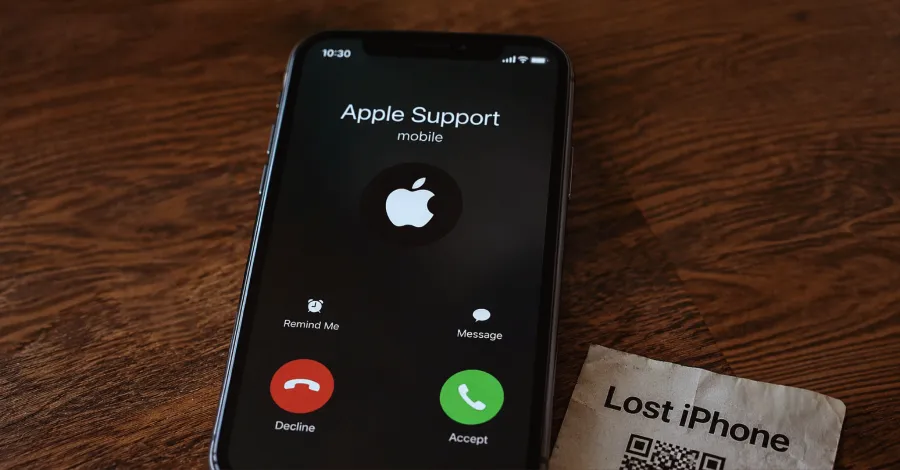
As technology evolves, so do the tactics of cybercriminals. A worrying trend has emerged where fraudsters exploit AI technology to create convincing fake calls, impersonating Apple support representatives to deceive users into divulging sensitive information. These scams, which target owners of stolen Apple devices, have prompted heightened concern among consumers and security experts alike. This article delves into how these scams operate, the technology behind them, and what users can do to safeguard their personal information.
Understanding the Scam: How Fake AI Calls Work
Fraudsters have harnessed the power of AI and voice synthesis to craft calls that sound remarkably like genuine Apple support representatives. These calls typically begin with a familiar greeting and may reference specific details about the victim's device or account, which adds an air of legitimacy. The goal is to manipulate the victim into providing personal information, such as passcodes and two-factor authentication (2FA) codes.
These attacks often occur shortly after a device has been reported stolen. The fraudsters use social engineering tactics to exploit the victim's sense of urgency and fear. For instance, they may claim that the device has been flagged for suspicious activity and that immediate action is required to secure it. This psychological manipulation makes it easier for scammers to extract sensitive information.
The Role of Technology in Fraud
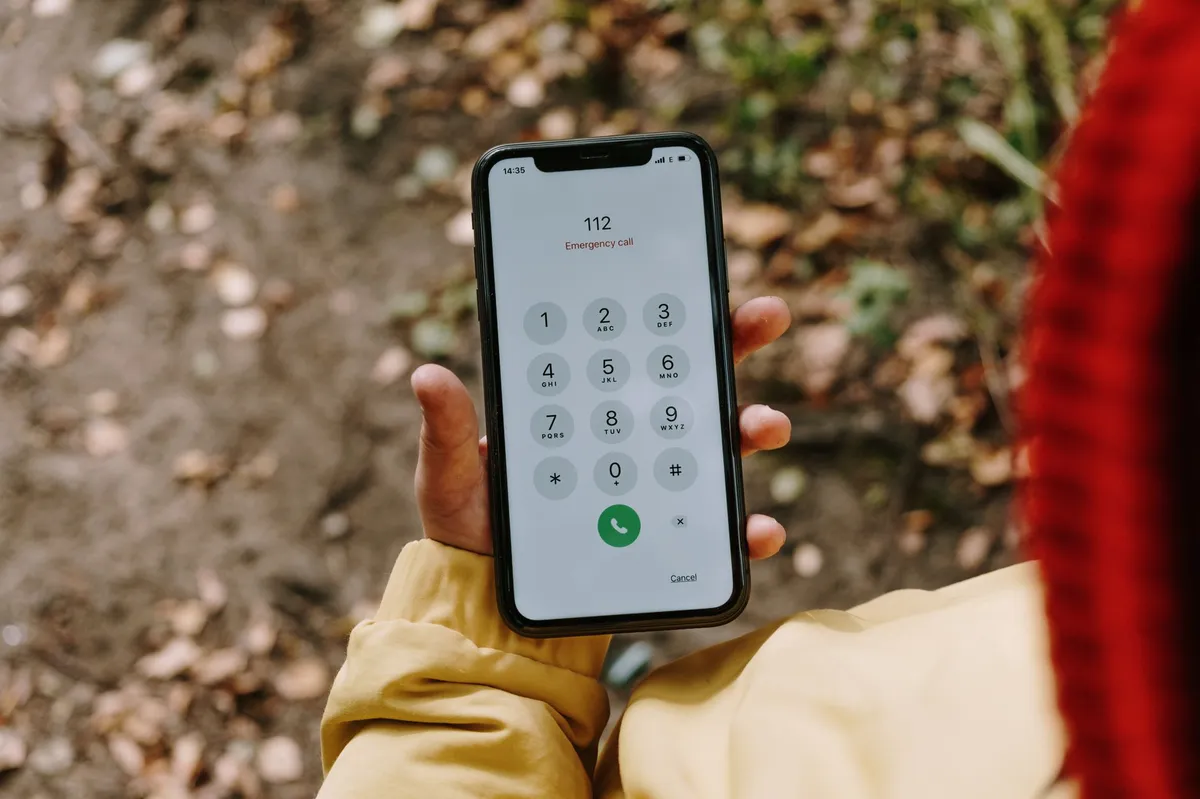
The technology used to create these fake calls has advanced significantly, making it increasingly challenging for consumers to differentiate between a legitimate call and a scam. Voice synthesis technology, combined with AI algorithms, allows scammers to generate realistic audio that mimics human speech patterns and intonation. This is a stark departure from earlier scams, which relied on basic robocalls that were easier to identify.
Moreover, the use of caller ID spoofing enables scammers to display a legitimate Apple support number on the victim's phone, further instilling confidence in the caller's authenticity. This combination of sophisticated technology and psychological tactics presents a potent threat to unsuspecting individuals.
Who is Affected and Why It Matters
The impact of these scams extends beyond individual victims. Apple device owners, particularly those who have recently experienced theft, are at heightened risk. However, the implications of these scams are broader, affecting the overall trust in digital ecosystems. As more people fall victim to these fraudulent schemes, it can erode confidence in legitimate customer support channels.
Furthermore, the data obtained through these scams can lead to identity theft, financial loss, and long-term damage to victims' credit scores. In some cases, fraudsters may use the information to access other accounts, compounding the potential harm.
Protecting Yourself Against Scams
In light of these evolving threats, it's crucial for consumers to take proactive measures to protect themselves. Here are some key strategies:
- Verify the Caller: If you receive a call claiming to be from Apple support, do not provide any personal information. Hang up and call back using the official Apple support number found on their website.
- Enable Two-Factor Authentication: This adds an extra layer of security to your accounts, making it harder for scammers to gain access even if they obtain your password.
- Be Skeptical of Urgency: Scammers often create a sense of urgency to provoke hasty decisions. Take your time to assess the situation.
- Educate Yourself and Others: Stay informed about the latest scams and share this knowledge with friends and family to help them stay safe.

Key Takeaways
- AI-generated fake calls are increasingly targeting Apple device owners.
- Scammers use advanced voice synthesis and caller ID spoofing to appear legitimate.
- Immediate and informed action is essential to protect personal information and prevent fraud.
- Awareness and education are critical in combating these scams.
Frequently Asked Questions
What should I do if I receive a suspicious call claiming to be from Apple support?
If you receive a call that raises suspicion, do not engage with the caller. Instead, hang up and directly contact Apple support using the official number on their website. This ensures you are communicating with a legitimate representative and helps protect your personal information.
How can I recognize a fake support call?
Fake support calls often include high-pressure tactics, urgency, and requests for sensitive information. If a caller asks for your password or 2FA codes, it is a strong indicator that you are dealing with a scam. Remember, legitimate support representatives will never ask for your password.
Is two-factor authentication enough to protect my accounts?
While two-factor authentication significantly enhances your account security, no method is foolproof. It is crucial to combine 2FA with other security practices, such as strong, unique passwords and regular monitoring of your accounts for unauthorized activity.
What should I do if I fall victim to a scam?
If you believe you have fallen victim to a scam, take immediate action by changing your passwords and contacting your bank or credit card provider. Additionally, report the scam to the appropriate authorities, such as the Federal Trade Commission (FTC) and local law enforcement, to help prevent further incidents.
Comments
Meta's $18 Billion Settlement: New Protections for Minors on Social Media
Meta has agreed to implement significant changes to enhance child safety on its platforms as part of an $18 billion settlement. These changes, including time limits and content controls, will impact millions of young users across the U.S.

Related articles




Popular in Cybersecurity
- Federal Mandate for Autonomous Vehicles: A Call for Safety Compliance
- EU Mandates Google to Share Data and Open AI on Android: What It Means
- GitHub Revamps Bug Bounty Program: Implications for Developers and Security
- Australian Government Disables Thousands of Functional Broadband Routers: A Wasteful Decision
- Exploiting Redis: Understanding Zero-Day Vulnerabilities and Their Mitigation