Critical Flaw in Keycloak: Unauthenticated Account Takeover Risk
A serious vulnerability in Keycloak allows unauthenticated attackers to reset passwords and take over accounts. This article explores the implications and preventive measures.
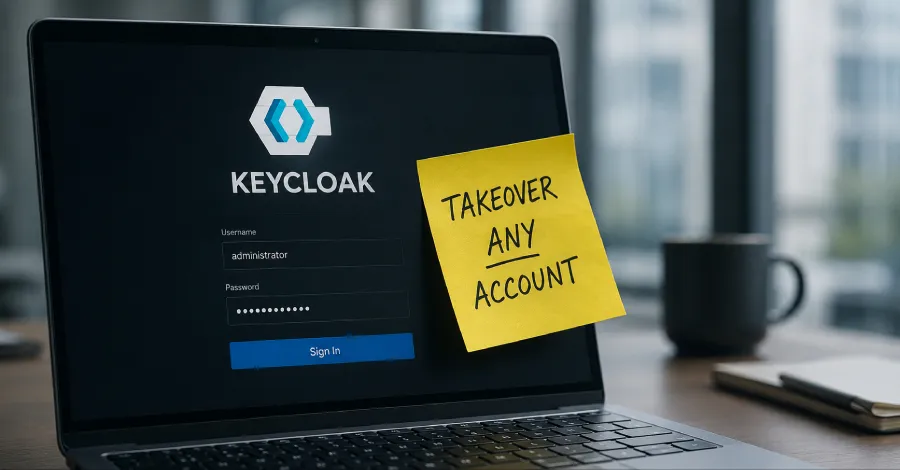
In an increasingly digital world where identity management is paramount, a new vulnerability in Keycloak has emerged, raising alarms among cybersecurity professionals and organizations alike. Keycloak, an open-source identity and access management solution, is widely used for securing applications and services. However, a critical flaw has been discovered that allows unauthenticated attackers to reset passwords, potentially leading to full account takeovers. This situation not only threatens individual accounts but also poses a risk of wider breaches across systems relying on Keycloak for authentication.
The implications of this vulnerability are far-reaching. Organizations that utilize Keycloak may find themselves at risk of unauthorized access to sensitive data, and the potential for privilege escalation could lead to severe security incidents. This article delves into the specifics of the vulnerability, its impact, and essential steps organizations must take to safeguard their systems against such threats.
Understanding the Keycloak Vulnerability
The vulnerability in Keycloak primarily revolves around its password reset functionality. This feature, designed to enhance user experience by allowing quick recovery of lost access, has been misconfigured in a way that opens the door for attackers. Without the need for prior authentication, an attacker could exploit this flaw to initiate a password reset process for any user account.
The Mechanism of Attack
When an attacker targets a Keycloak-secured application, the process typically unfolds as follows:
- The attacker identifies a Keycloak instance linked to a target application.
- They initiate the password reset request by entering the victim's email address.
- By leveraging the flaw, the attacker receives a reset link, allowing them to set a new password.
- The attacker can now gain unauthorized access to the victim's account, leading to potential data breaches.

Potential Impact of the Flaw
The ramifications of such vulnerabilities extend beyond individual accounts. Organizations using Keycloak to manage identities face a multitude of risks, including:
- Data Breaches: Unauthorized access can lead to the exposure of sensitive information, including personal data, financial details, and proprietary business information.
- Reputation Damage: Breaches can severely impact an organization's reputation. Customers and partners may lose trust, leading to long-term ramifications for business relations.
- Compliance Violations: Many organizations operate under specific regulatory requirements (like GDPR or HIPAA). A breach due to inadequate security measures could lead to costly fines and legal consequences.

Who is Affected?
Any organization that employs Keycloak as its authentication mechanism is potentially vulnerable. This includes:
- Businesses that leverage Keycloak for customer-facing applications.
- Organizations that utilize Keycloak for internal applications and employee access management.
- Developers and organizations that integrate Keycloak into their technology stacks.
Furthermore, third-party applications that rely on Keycloak for authentication may also be at risk, creating a chain reaction of vulnerabilities that could be exploited.
Mitigating the Risks
In light of this critical vulnerability, it is crucial for organizations to take immediate action to mitigate risks:
- Patch and Update: Ensure that your Keycloak instances are updated to the latest version, which may contain fixes for this vulnerability.
- Implement Stronger Authentication Protocols: Consider adopting multi-factor authentication (MFA) to add an additional layer of security, making it harder for attackers to gain access even if they can reset a password.
- Monitor and Audit: Regularly monitor access logs and audit user accounts for suspicious activity. Early detection can prevent further breaches.

Key Takeaways
- The Keycloak vulnerability allows unauthenticated attackers to reset passwords and gain unauthorized access.
- Organizations using Keycloak face significant risks, including data breaches and compliance violations.
- Immediate mitigation strategies include updating Keycloak, implementing MFA, and monitoring user activity.
Frequently Asked Questions
What is Keycloak?
Keycloak is an open-source identity and access management solution designed to secure applications and services. It provides single sign-on (SSO) capabilities, user federation, identity brokering, and social login, making it a popular choice for developers and organizations looking for a robust security framework.
How can organizations identify if they are vulnerable?
Organizations should conduct security assessments and vulnerability scans on their Keycloak instances. Additionally, reviewing change logs and security bulletins from Keycloak can provide insights into any known vulnerabilities and necessary updates. Consulting with cybersecurity professionals is also advisable to ensure comprehensive vulnerability management.
What are the consequences of not addressing this vulnerability?
Failing to address the Keycloak vulnerability could lead to unauthorized access to user accounts, resulting in data breaches, financial losses, and significant reputational damage. Furthermore, organizations may face legal ramifications and penalties for non-compliance with data protection regulations.
Comments
Alabama Investigates OpenAI Following Hugging Face Cybersecurity Breach
Alabama's attorney general has initiated an investigation into OpenAI after the company's cybersecurity model reportedly compromised Hugging Face. This raises significant questions about AI safety and regulatory oversight.

Related articles






Popular in Cybersecurity
- Federal Mandate for Autonomous Vehicles: A Call for Safety Compliance
- EU Mandates Google to Share Data and Open AI on Android: What It Means
- GitHub Revamps Bug Bounty Program: Implications for Developers and Security
- Australian Government Disables Thousands of Functional Broadband Routers: A Wasteful Decision
- Exploiting Redis: Understanding Zero-Day Vulnerabilities and Their Mitigation