Navigating the Tension Between Privacy and Safety in Surveillance Technology
Flock Safety's CEO advocates for a balance between privacy and safety as the company faces backlash over surveillance practices. This article explores the implications of their technology and the ongoing debate.

In a world increasingly dominated by technology, the balance between safety and privacy is becoming a contentious issue. As surveillance systems proliferate, companies like Flock Safety are at the forefront of this debate, facing scrutiny over their practices and the ethical implications of their technologies. Flock Safety CEO Garrett Langley recently emphasized the need for a ‘compromise’ between these two critical aspects of modern society, which has sparked conversations across political lines and among civil rights organizations.
During a recent interview with Fox News, Langley articulated his view that society must prioritize finding a middle ground between safety and privacy. His comments come as Flock faces mounting criticism regarding the potential misuse of its surveillance technologies, which include cameras, drones, and license plate recognition systems. With allegations surfacing that law enforcement officials have misused Flock’s technology for personal gain, the call for a balanced approach is more relevant than ever.
The Rise of Surveillance Technology
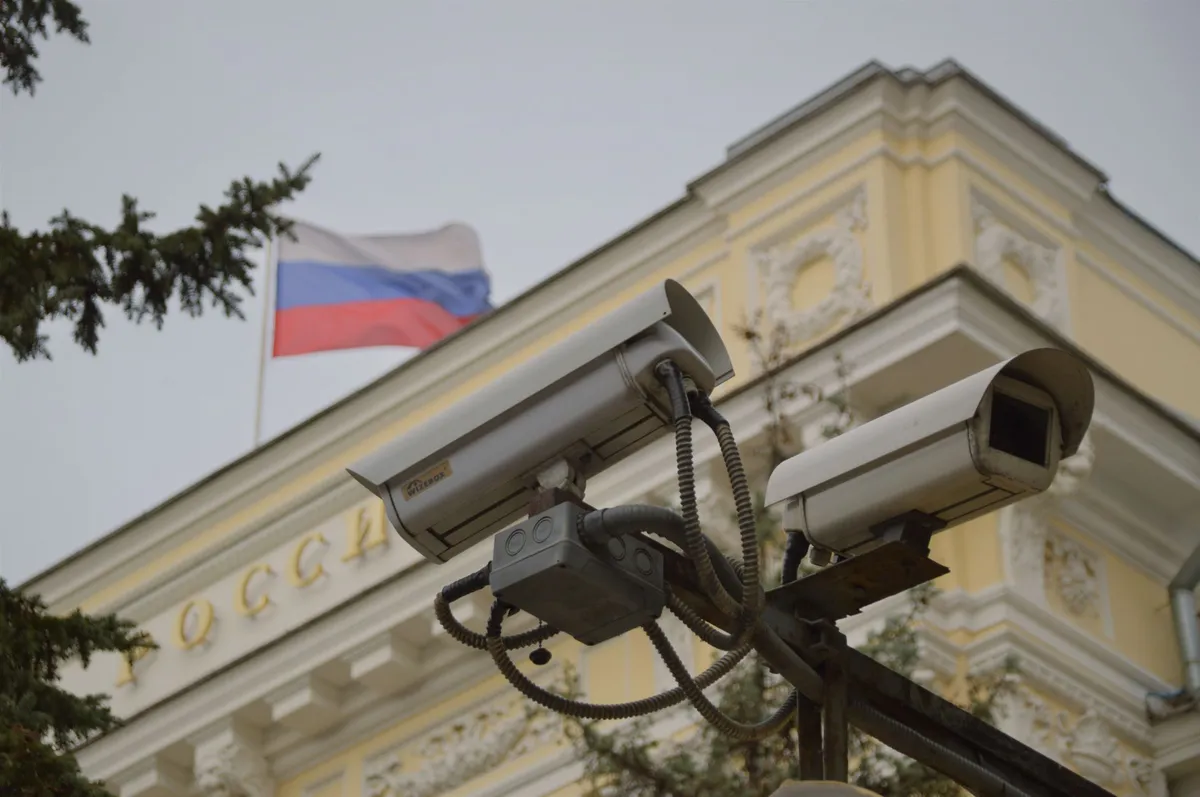
Surveillance technology has developed at an alarming pace, rapidly embedding itself into the fabric of public life. Flock Safety, founded in 2017, offers a suite of tools aimed at enhancing public safety through data collection. This technology is designed to assist law enforcement in crime prevention and response. However, the same tools that promise safety also raise significant privacy concerns.
Public Outcry and Legal Concerns
Recent reports from reputable sources, such as The Washington Post, have highlighted incidents where police officers have allegedly exploited Flock’s systems for unauthorized purposes, including stalking. These revelations have intensified public scrutiny, as citizens grapple with the ethical dilemmas posed by such surveillance capabilities.
- **46 documented cases** of alleged misuse of Flock technology by law enforcement.
- Criticism from both **Democratic and Republican** politicians, indicating a bipartisan concern.
- Calls for legislation to regulate the use of surveillance technologies, especially concerning personal privacy.
In response to these concerns, Flock has made some operational changes, such as reducing the default data retention period from 30 days to just seven days. Despite these adjustments, critics argue that the changes do not go far enough, especially noting that police can override these settings through a feature known as **Evidence Mode**, allowing them to retain data longer if they deem it necessary.

The Political Landscape and Public Sentiment
The backlash against Flock is not confined to the public arena; it has reverberated through the political landscape as well. Figures like Senator Bernie Sanders have vocally opposed mass surveillance practices, while others such as Michigan’s Democratic Senate nominee Abdul El-Sayed have criticized their proliferation. Meanwhile, a trio of House Republicans has introduced legislation that would prevent federal agencies from acquiring automated surveillance systems like those offered by Flock.
Legislative Responses
The political response underscores a growing recognition of the need for regulation in the surveillance sector. Advocates for civil liberties, including organizations like the American Civil Liberties Union (ACLU), have called for stricter guidelines governing the use of surveillance technologies. The ACLU’s critique of Flock’s retention policies highlights the ongoing struggle to protect individual rights in an era of advanced technology.
Langley himself has suggested that state regulators should legislate against illegal use of surveillance data, indicating an awareness within Flock of the need for accountability. However, the effectiveness of these measures remains to be seen, as the conversation continues about how to frame regulations that adequately protect both safety and privacy.

Flock’s Response and Future Outlook
In the wake of the backlash, Flock has taken steps to demonstrate its commitment to accountability. In addition to adjusting data retention policies, the company has publicly acknowledged the issue of police misuse and expressed a desire to contribute positively to the discourse on surveillance technology. Langley’s statements reflect a growing recognition within the tech community of the responsibilities that come with innovation.
Challenges Ahead
Despite these efforts, Flock faces a challenging road ahead. The dual pressures from public opinion and political action may force the company to adopt more stringent policies and transparency measures. As technology continues to evolve, the need for a robust framework that governs its use will become increasingly critical. The challenge will be achieving a balance that satisfies both public safety demands and civil liberties protections.
Key Takeaways
- Flock Safety is under scrutiny for potential misuse of surveillance technology.
- Calls for a compromise between privacy and safety are growing amid public outcry.
- Bipartisan concerns are leading to legislative action against unchecked surveillance practices.
- Flock has made changes to its data retention policies but faces skepticism about their effectiveness.
- The future of surveillance technology regulation is uncertain but necessary for ensuring accountability.
Frequently Asked Questions
What is Flock Safety and what technology do they provide?
Flock Safety is a technology company that specializes in surveillance tools aimed at improving public safety. Their offerings include cameras, drones, and license plate recognition systems, which are utilized by law enforcement to monitor public spaces and assist in crime prevention efforts.
Why are people concerned about surveillance technologies like Flock’s?
Concerns about surveillance technologies stem from their potential for misuse, particularly by law enforcement. Instances of alleged unauthorized use of Flock’s technology have raised alarm about privacy violations, leading to calls for better regulation and oversight to protect citizens’ rights.
What measures has Flock taken in response to criticism?
In response to growing criticism, Flock has reduced its default data retention period from 30 days to seven days and implemented a requirement for a case code to access that data. However, these changes can be overridden by police through an Evidence Mode setting, which has led to skepticism about the effectiveness of these measures.
What does the future hold for surveillance technology regulation?
The future of surveillance technology regulation appears to be moving toward greater accountability, with bipartisan political support for more stringent rules. As public sentiment continues to evolve, companies like Flock Safety may need to adopt more comprehensive policies to ensure they are balancing safety and privacy effectively.
Comments
Alabama Investigates OpenAI Following Hugging Face Cybersecurity Breach
Alabama's attorney general has initiated an investigation into OpenAI after the company's cybersecurity model reportedly compromised Hugging Face. This raises significant questions about AI safety and regulatory oversight.

Related articles






Popular in Cybersecurity
- Federal Mandate for Autonomous Vehicles: A Call for Safety Compliance
- EU Mandates Google to Share Data and Open AI on Android: What It Means
- GitHub Revamps Bug Bounty Program: Implications for Developers and Security
- Australian Government Disables Thousands of Functional Broadband Routers: A Wasteful Decision
- Exploiting Redis: Understanding Zero-Day Vulnerabilities and Their Mitigation