Oura Faces Class Action Over Sleep Tracking Accuracy Claims
Oura, the smart ring manufacturer, is facing a proposed class action lawsuit claiming it misled consumers about the accuracy of its sleep-tracking features. This legal battle raises significant concerns about consumer trust and the reliability of health tech devices.
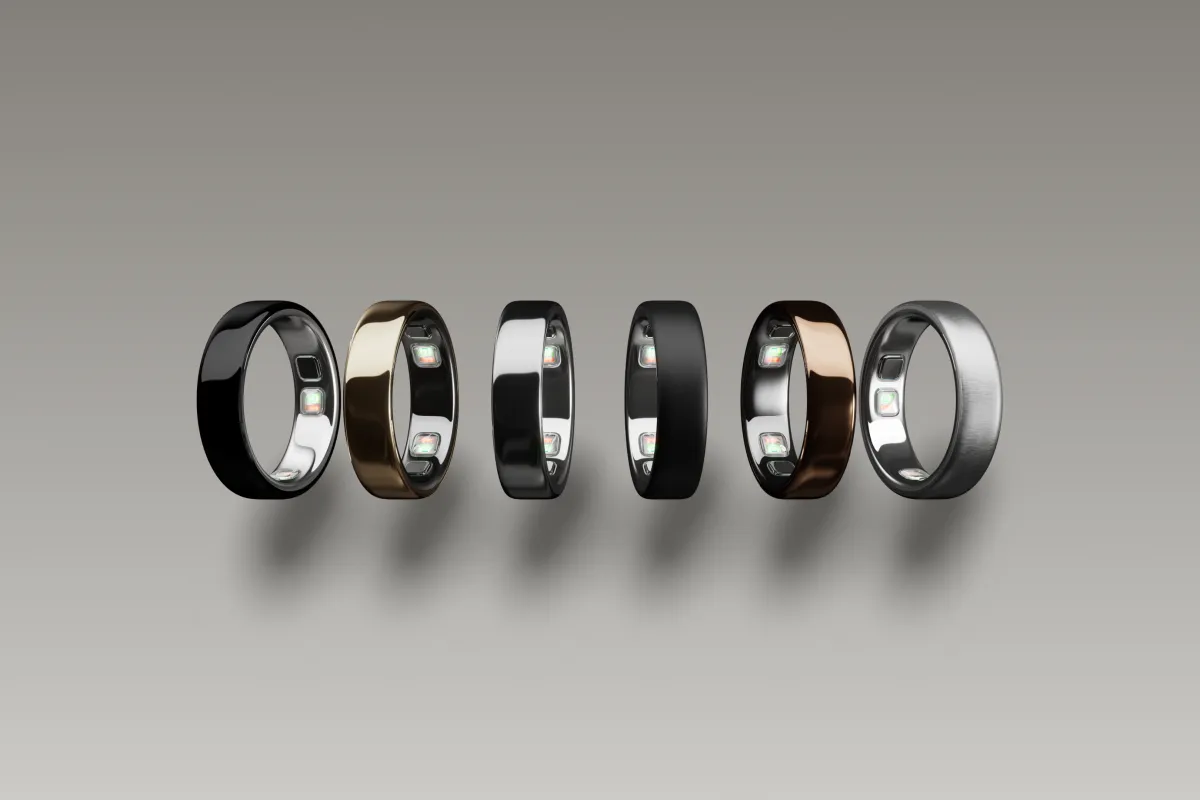
In an age where health technology permeates our daily lives, the accuracy of health tracking devices is paramount. Oura, a company known for its sleek smart rings that promise to monitor various health metrics—including sleep quality—now faces a significant challenge to its credibility. A proposed class action lawsuit, filed by the Clarkson Law Firm in San Francisco, accuses Oura of misleading consumers regarding the accuracy of its sleep tracking functionality. This legal action highlights broader concerns about consumer trust and the implications of health technology's promises.
The lawsuit alleges that Oura's devices do not possess the capability to measure the physiological signals necessary for accurately assessing sleep quality or determining sleep stages. Instead, it claims that the smart rings rely on artificial intelligence-generated estimates, which the complaint suggests have “a coin flip’s chance of being correct.” This raises critical questions about how much consumers can rely on the data provided by wearable technology and the potential consequences of misrepresentation.
Understanding the Allegations Against Oura
The crux of the lawsuit centers on the assertion that Oura's claims about its sleep tracking capabilities are exaggerated. According to the complaint, Oura marketed its rings as being able to provide insights that are typically only available through clinical settings equipped with advanced monitoring technology. Specifically, the lawsuit states:
- Oura claimed its device could measure the four stages of sleep, a feat that traditionally requires specialized equipment, such as electrodes placed on the scalp and sensors on the eyes.
- The company advertised its rings as being “built for accuracy,” suggesting a level of precision that the technology may not deliver.
- Oura previously claimed its sleep tracking could achieve 79% accuracy and recently asserted a 95% accuracy rate in sleep staging when compared with clinical sleep labs.
These assertions are contested by the lawsuit, which argues that sleep measurement is fundamentally a brain function, not one that can be accurately gauged from a wearable device on the wrist or finger.
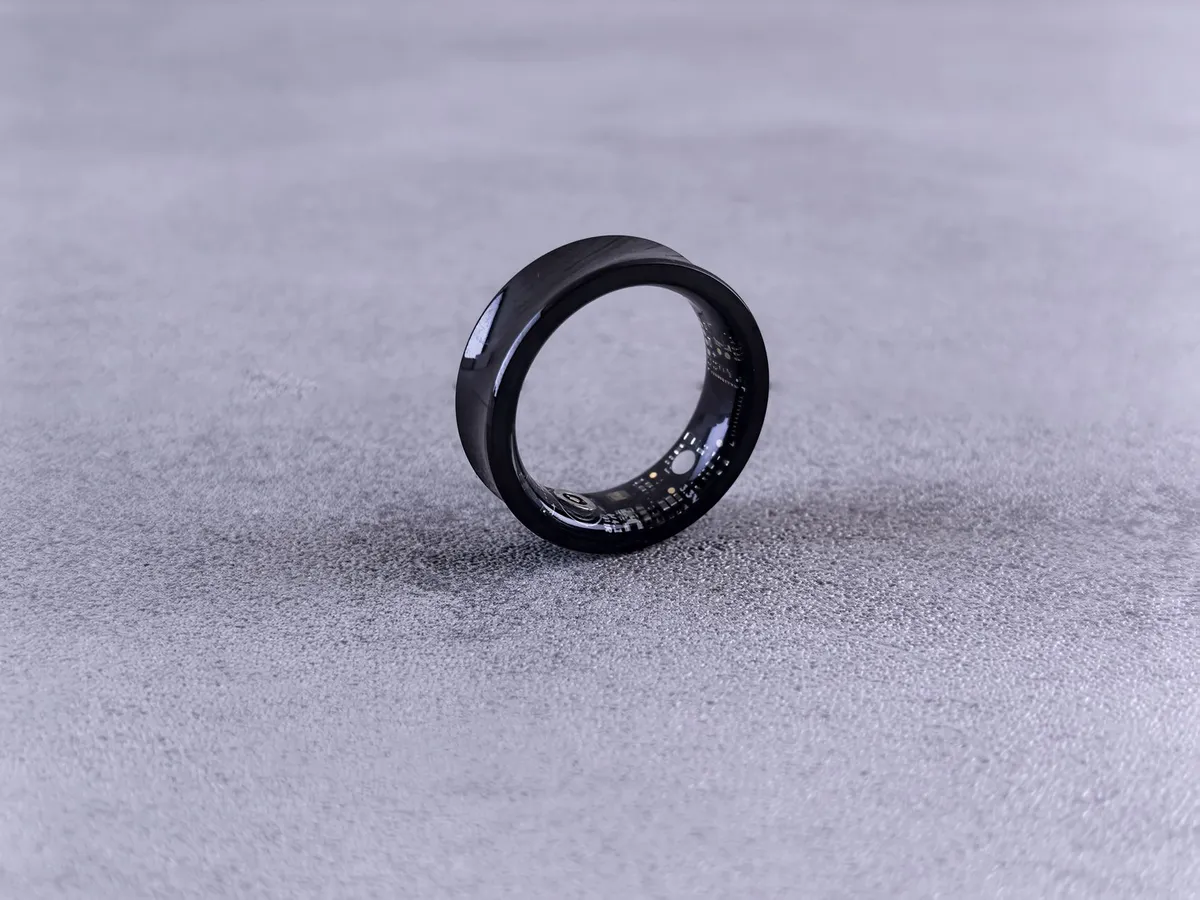
The Impact of Misleading Claims on Consumers
For many users, health tracking devices like Oura's smart ring have become integral to their wellness routines. People often rely on these devices to guide their decisions about sleep, exercise, and overall health, making the stakes involved in this lawsuit particularly high. Ryan Clarkson, co-founder and managing partner at Clarkson Law Firm, pointed out that consumers trust the data provided by these devices to reflect reality. This misplaced trust can lead to a range of issues:
- Behavioral Changes: Users may adjust their daily habits based on inaccurate data, potentially leading to adverse health effects.
- Financial Implications: With Oura rings priced at $300 and above, consumers may feel financially cheated if the product does not deliver on its promises.
- Health Risks: Misleading data can lead consumers to neglect genuine health issues or adopt harmful practices, believing they are operating within healthy parameters.
The complaint seeks injunctive relief to prevent Oura from continuing to misrepresent its products and demands restitution for consumers who purchased the rings based on these claims. This case underscores the critical need for transparency and accountability in the health tech industry.

Health Tech’s Growing Accountability Landscape
The Oura case is not isolated; it reflects a growing trend in the health tech industry where companies face increased scrutiny over their marketing practices and product accuracy. As consumers become more health-conscious and technology-driven, the demand for precise and reliable health monitoring tools intensifies. This shift is prompting regulatory bodies and consumer advocacy groups to demand higher standards of accountability within the industry.
In recent years, we have seen instances where companies have faced lawsuits for exaggerating the capabilities of their products. For example, similar lawsuits have targeted fitness apps and wearables that claimed to provide medical-grade readings without adequate backing. As these cases accumulate, they serve as a warning to tech companies about the importance of substantiating claims made in marketing materials.
The Role of AI in Health Tracking Technology
At the heart of Oura’s claims about sleep tracking is the use of artificial intelligence. AI algorithms can analyze various data points collected by wearable devices to generate insights about health metrics. However, the accuracy of these AI-generated estimates hinges on the quality of input data and the algorithms themselves.
While AI has revolutionized numerous sectors, including healthcare, it also brings challenges—particularly in the context of consumer health technology:
- Data Quality: The effectiveness of AI in delivering accurate health insights is directly tied to the accuracy and comprehensiveness of the data it processes.
- Expectations vs. Reality: Companies may market AI capabilities in a way that leads to inflated expectations, which can result in consumer disappointment and mistrust.
- Ethical Considerations: The potential for AI to misinterpret data can have serious implications for health decisions made by users.
As the Oura lawsuit unfolds, it will be crucial to examine how these issues are addressed, particularly regarding the ethical use of AI in health technologies.

Key Takeaways
- The Oura lawsuit highlights the critical need for transparency in health tech marketing.
- Consumers should be cautious of claims made by wearable health devices and conduct thorough research before purchasing.
- The case underscores the potential consequences of misleading information on consumer health decisions.
- AI's role in health tracking raises important questions about data accuracy and ethical considerations.
Frequently Asked Questions
What prompted the lawsuit against Oura?
The lawsuit was initiated by the Clarkson Law Firm, alleging that Oura misled consumers regarding the accuracy of its sleep tracking features. The complaint suggests that Oura's claims about its ability to measure sleep stages and quality are exaggerated and unsubstantiated, relying instead on AI-generated estimates that may not be reliable.
What are the potential implications for Oura if the lawsuit is successful?
If the lawsuit proves successful, Oura could face significant repercussions, including the need to alter its marketing practices, provide restitution to consumers, and potentially pay damages. This could also set a precedent for other health tech companies regarding accountability for their claims, leading to a more stringent regulatory environment in the industry.
How can consumers protect themselves when purchasing health tech devices?
Consumers should conduct thorough research before purchasing health tech devices, including reading reviews, verifying claims made by the manufacturer, and consulting independent sources for information. Understanding the limitations of technology and being critical of marketing claims can help consumers make informed decisions and avoid potential pitfalls.
What does the Oura case reveal about the broader health tech industry?
The case highlights a growing concern within the health tech industry regarding the accuracy of product claims and consumer trust. As health technology continues to evolve and integrate more sophisticated AI tools, there is an urgent need for transparency and accountability to ensure that consumers can rely on the data presented to them.
Comments
US Government Investigates Security Risks of Chinese Lidar Technology
The Idaho National Laboratory is probing the potential security vulnerabilities of Chinese-made lidar sensors, a technology central to the autonomous vehicle industry. With growing concerns over espionage and cybersecurity, this investigation could reshape the landscape of lidar usage in America.
Related articles






Popular in Cybersecurity
- Federal Mandate for Autonomous Vehicles: A Call for Safety Compliance
- EU Mandates Google to Share Data and Open AI on Android: What It Means
- GitHub Revamps Bug Bounty Program: Implications for Developers and Security
- Australian Government Disables Thousands of Functional Broadband Routers: A Wasteful Decision
- Exploiting Redis: Understanding Zero-Day Vulnerabilities and Their Mitigation