Waymo Faces NHTSA Scrutiny Over Robotaxi Child Collision Incident
Waymo's recent collision involving a robotaxi and a child has drawn the attention of the National Highway Traffic Safety Administration (NHTSA). The investigation raises questions about autonomous vehicle safety protocols and the regulatory landscape.
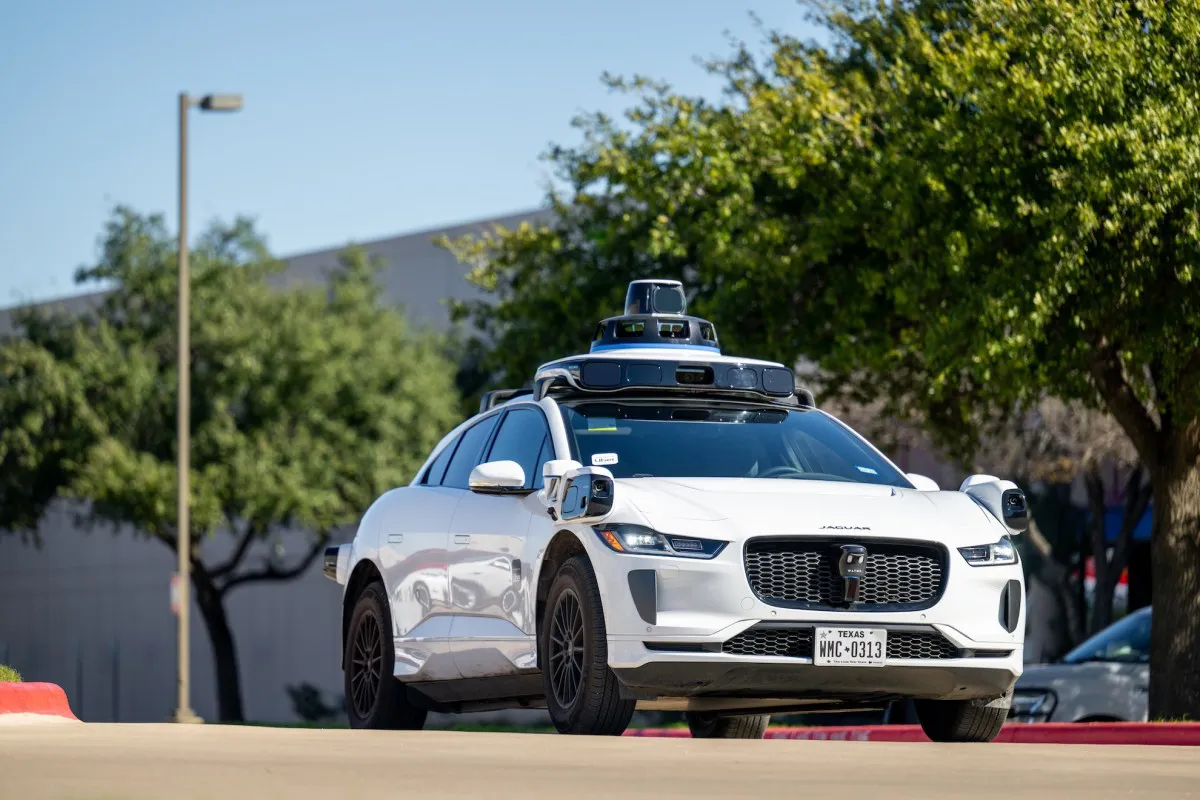
The rise of autonomous vehicle technology has promised a future of safer roads and reduced accidents. However, incidents like the recent collision involving Waymo's robotaxi and a nine-year-old girl have sparked serious discussions about safety protocols and regulatory frameworks in the industry. As the National Highway Traffic Safety Administration (NHTSA) investigates the event, the implications for Waymo and the broader autonomous vehicle market become increasingly pronounced.
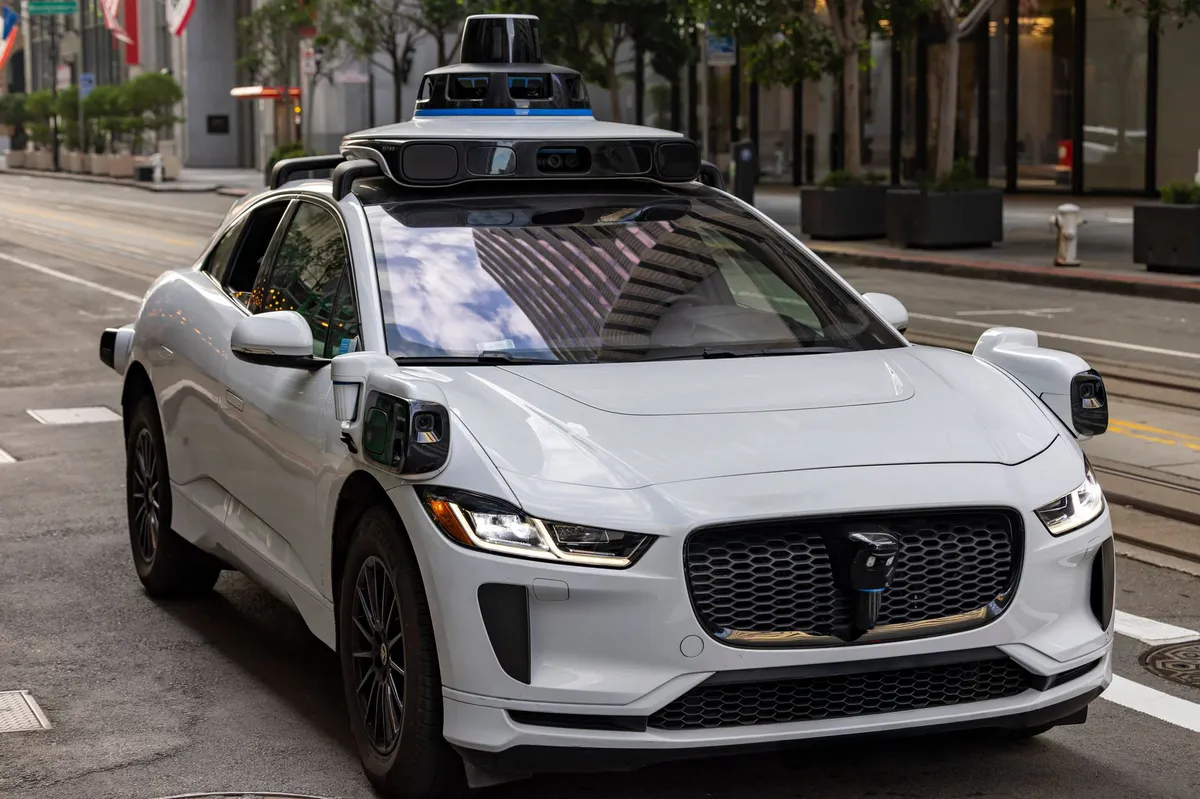
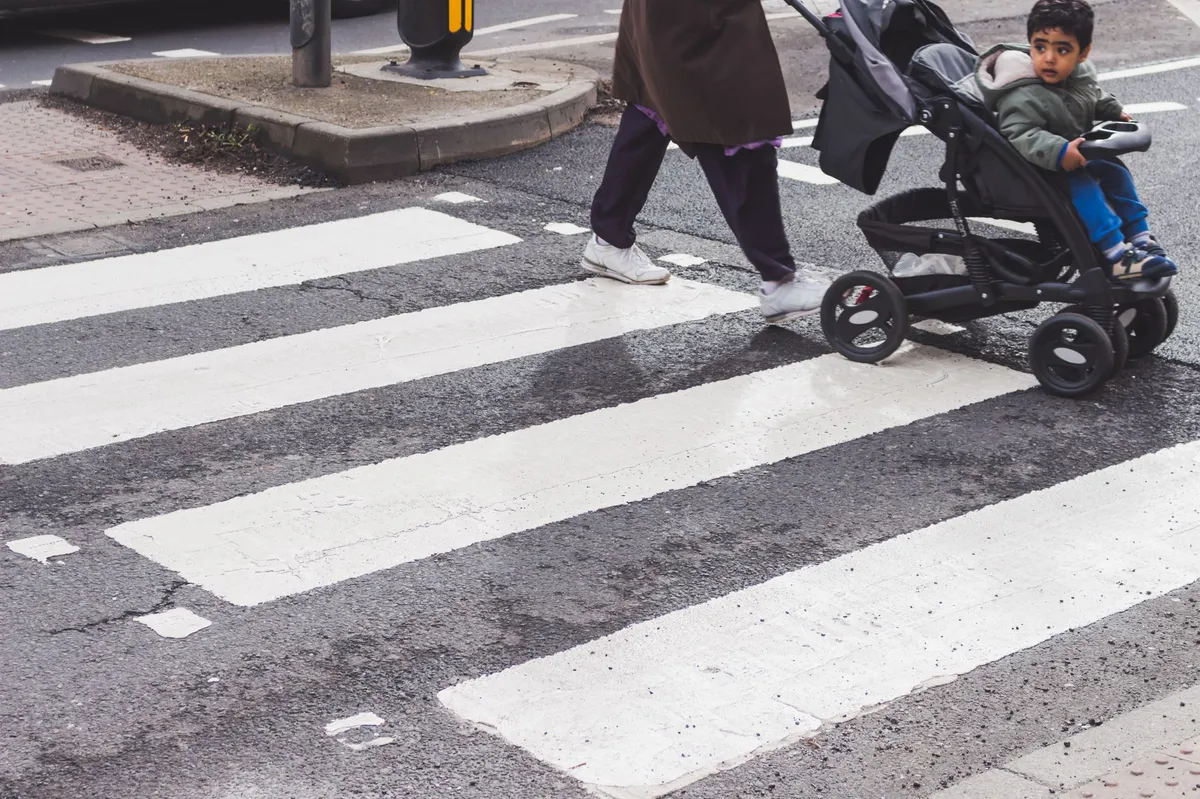
On January 23, 2026, a Waymo-operated Jaguar I-Pace collided with a child in Santa Monica, California. The vehicle was traveling at a low speed of 17 miles per hour when the incident occurred. According to a preliminary report from the National Transportation Safety Board (NTSB), the robotaxi reduced its speed to 6 miles per hour just before the collision, indicating an effort to minimize impact. Fortunately, the child sustained only minor injuries, which did not require medical transport. However, the event has raised numerous questions about the safety measures in place for autonomous vehicles, particularly in school zones where children are present.
Investigative Actions by NHTSA
In the wake of this incident, the NHTSA quickly launched an investigation, emphasizing their responsibility to ensure public safety. Within a week of the collision, the agency sent a set of 12 detailed questions to Waymo regarding its operational protocols, specifically focusing on:
- How Waymo determines speed limits in school zones.
- Complaints received about robotaxi behavior near schools.
- Documentation of Waymo's software functionalities related to safety.
Waymo's initial deadline for responding to these inquiries was set for May 8, 2026. However, the company requested an extension, citing the need for clarity on some questions and the desire to avoid overwhelming production burdens on both sides. The request for an extension underscores the complexities involved in regulatory compliance, particularly when it comes to innovative technologies like autonomous vehicles.
Waymo's Response and Transparency Challenges
Waymo's response to the NHTSA's inquiries has been marked by a notable level of redaction. The documents released so far have been primarily obscured due to claims of "confidential business information." While this is common practice in corporate communications, it raises concerns about transparency, especially in matters related to public safety. The limited information available can hinder the ability of regulators and the public to fully assess the situation.
Matthew Schwall, Waymo's Senior Director of Safety, expressed in a letter to the NHTSA that their goal is to facilitate the investigation while managing the production and review burdens. This balancing act between corporate confidentiality and regulatory transparency is critical as autonomous vehicle technology continues to evolve.
The Broader Implications for Autonomous Vehicles
The Waymo incident and the ensuing investigation highlight several pressing issues in the realm of autonomous vehicles:
1. Regulatory Frameworks
The regulatory landscape for autonomous vehicles is still in a state of flux. As companies like Waymo push the boundaries of technology, regulators are tasked with ensuring safety without stifling innovation. The NHTSA's investigation may lead to refined guidelines and regulations that govern how autonomous vehicles operate, particularly in sensitive areas like school zones.
2. Public Perception and Trust
Public trust in autonomous vehicle technology is paramount. Incidents like the Waymo collision can undermine confidence in the safety of self-driving cars. For companies in this space, addressing public concerns and demonstrating accountability will be crucial in maintaining their market position and expanding their services.
3. Development of Safety Protocols
As investigations unfold, there will likely be increased pressure on companies to develop robust safety protocols. This may include enhanced training for their AI systems to better recognize and respond to pedestrians, especially in high-traffic areas like school zones. Such advancements are not only necessary for compliance but also for the ethical responsibility companies hold towards public safety.
What Lies Ahead for Waymo
Waymo has indicated that it has completed its submissions to the NHTSA, and as the investigation progresses, the implications for the company could be significant. Depending on the findings, Waymo may need to implement changes to its operational protocols and software systems to enhance safety measures. The outcome of this investigation could set a precedent for how other autonomous vehicle companies approach safety and regulatory compliance.
Key Takeaways
- Waymo's robotaxi incident has prompted an NHTSA investigation focused on safety protocols.
- The company's responses have been largely redacted due to confidentiality claims.
- Public trust in autonomous vehicles is critical and may be affected by the outcome of this investigation.
- Regulatory frameworks for autonomous vehicles are evolving and may lead to stricter guidelines.
- Waymo's future operations may be impacted depending on the findings of the NHTSA inquiry.
Frequently Asked Questions
What was the incident involving Waymo's robotaxi?
On January 23, 2026, Waymo's autonomous vehicle, a Jaguar I-Pace, collided with a nine-year-old girl who had stepped into the street near a school in Santa Monica, California. The vehicle was traveling at a low speed and reduced its speed prior to the collision, resulting in minor injuries to the child.
What are the implications of the NHTSA investigation?
The NHTSA's investigation into the incident focuses on Waymo's safety protocols, particularly in school zones. The outcome could lead to new regulations that govern how autonomous vehicles are operated, especially in areas with high pedestrian traffic. It may also influence public perception of self-driving technology and the regulatory expectations for the industry.
How does Waymo's response to NHTSA reflect on corporate transparency?
Waymo's largely redacted responses to the NHTSA have raised concerns about transparency in the autonomous vehicle sector. While protecting confidential business information is common, it can hinder the public and regulators' ability to fully assess safety measures and accountability. This balance is crucial for maintaining trust in the technology.
What might be the future of autonomous vehicle regulations?
As incidents like the Waymo collision occur, regulators are likely to refine and enhance the frameworks governing autonomous vehicles. These developments will be critical in ensuring public safety while fostering innovation. The outcomes of ongoing investigations may set important precedents for how the industry evolves in response to safety concerns.
Comments
Oura Faces Class Action Over Sleep Tracking Accuracy Claims
Oura, the smart ring manufacturer, is facing a proposed class action lawsuit claiming it misled consumers about the accuracy of its sleep-tracking features. This legal battle raises significant concerns about consumer trust and the reliability of health tech devices.

Related articles


Popular in Cybersecurity
- Federal Mandate for Autonomous Vehicles: A Call for Safety Compliance
- EU Mandates Google to Share Data and Open AI on Android: What It Means
- GitHub Revamps Bug Bounty Program: Implications for Developers and Security
- Australian Government Disables Thousands of Functional Broadband Routers: A Wasteful Decision
- Exploiting Redis: Understanding Zero-Day Vulnerabilities and Their Mitigation