US Government Investigates Security Risks of Chinese Lidar Technology
The Idaho National Laboratory is probing the potential security vulnerabilities of Chinese-made lidar sensors, a technology central to the autonomous vehicle industry. With growing concerns over espionage and cybersecurity, this investigation could reshape the landscape of lidar usage in America.
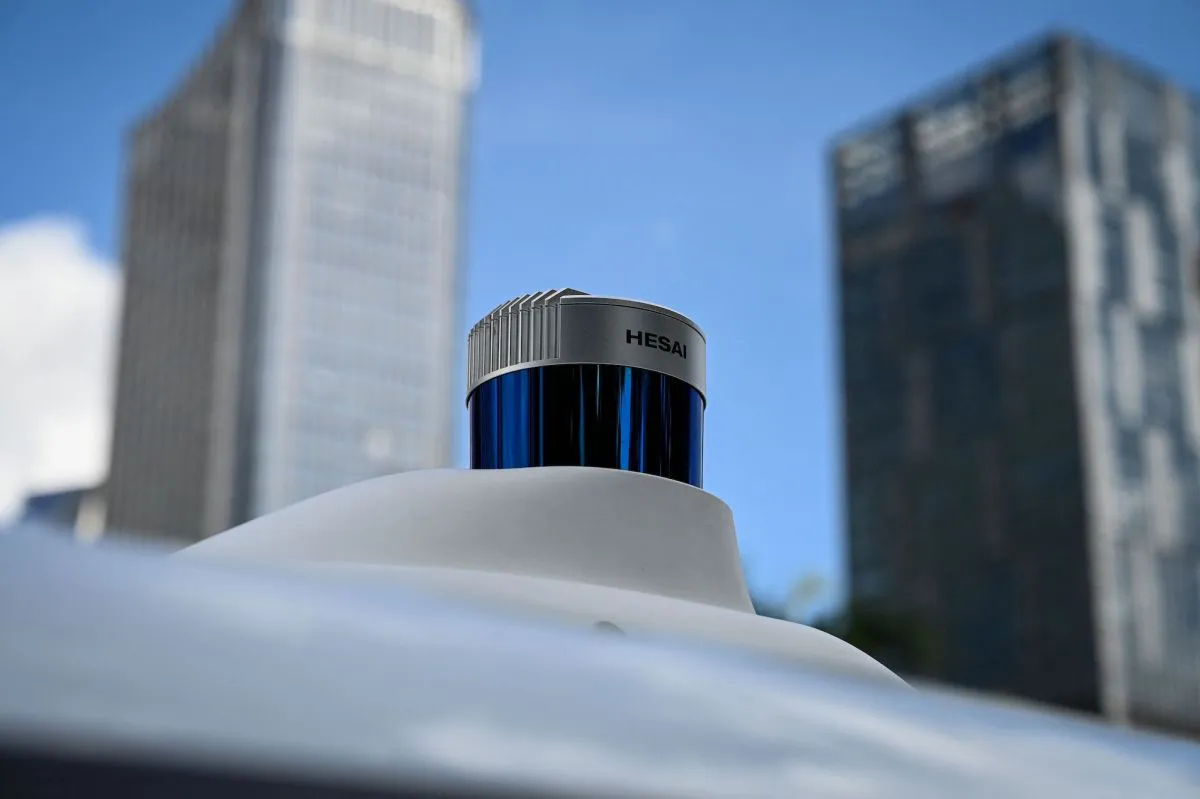
The intersection of advanced technology and national security is becoming increasingly complex, particularly as the U.S. government scrutinizes the potential risks posed by foreign-made components in critical applications. Recently, the Idaho National Laboratory (INL) has embarked on an investigation into the security vulnerabilities of Chinese-made lidar sensors, crucial components in the rapidly evolving field of autonomous vehicles. As the demand for advanced sensing technologies skyrockets, the implications of this review could reverberate through the automotive industry, impacting manufacturers, consumers, and national security alike.
Lidar, which stands for light detection and ranging, employs laser pulses to create detailed three-dimensional maps of surroundings. In autonomous vehicles, lidar is essential for perceiving the environment, detecting obstacles, and ensuring safe navigation. However, as the technology becomes more integral to transportation infrastructure, concerns regarding its provenance and the potential for espionage have emerged. This investigation highlights a growing unease across the U.S. regarding reliance on foreign technologies, particularly from nations perceived as adversaries.
Understanding the Lidar Landscape
To grasp the significance of this investigation, it’s important to understand the current state of lidar technology. Traditionally, lidar systems were prohibitively expensive, with price tags reaching upwards of $75,000. However, recent advances and economies of scale, particularly from Chinese manufacturers like Hesai and RoboSense, have dramatically reduced costs, making lidar more accessible — with some products now available for just a few hundred dollars. This shift has prompted many American manufacturers to consider integrating Chinese lidar into their autonomous vehicle sensor suites, despite potential security implications.

Current Usage and Future Trends
The widespread adoption of lidar in the autonomous vehicle sector has led to a surge in demand for reliable, cost-effective sensors. Companies such as Rivian, Ford, and General Motors are exploring the integration of lidar systems into their vehicles, with Rivian notably considering a lidar-equipped version of its upcoming R2 SUV. However, as these companies weigh their options, the ongoing investigation by the INL could influence their sourcing decisions and partnerships in the near future.
Security Concerns and Legislative Responses
The investigation into Chinese lidar technology is not occurring in a vacuum; it is part of a broader legislative effort to tighten security protocols around critical technology imports. Lawmakers, including Senator Tammy Baldwin (D-WI) and Congressman John Moolenaar (R-MI), have been vocal about their concerns regarding the potential for espionage and cybersecurity risks associated with the deployment of foreign-made sensors in U.S. infrastructure.
Senator Baldwin's Securing Infrastructure from Adversaries Act aims to protect American citizens from potential threats posed by foreign technologies, particularly those that could be exploited for military or industrial espionage. Baldwin's statement underscored the urgency of addressing these vulnerabilities: “As infrastructure becomes more sophisticated, the threat Chinese lidar technology poses to American communities and our national security cannot be allowed to go unchecked.”

Cybersecurity Risks of Lidar
The potential cybersecurity risks associated with Chinese lidar technology are multi-faceted. Omer Keilaf, CEO of Israeli lidar company Innoviz, has articulated two primary concerns: the risk of disabling sensors en masse and the potential for sensitive data extraction. The first concern revolves around the possibility of a cyberattack that could render lidar sensors inoperative, jeopardizing the safety of autonomous vehicles on the road. Such a scenario could lead to catastrophic consequences, particularly if vehicles are suddenly incapacitated while in motion.
Moreover, the data collected by lidar systems is extensive and can be compressed for transmission, raising alarms about the potential for unauthorized data access. Keilaf, who has a background in intelligence, noted that extracting information from lidar systems is not an insurmountable challenge: “The amount of data that the lidar is generating is pretty easily compressed if someone wants to.” This emphasizes the pressing need for rigorous cybersecurity measures to safeguard against potential threats from foreign adversaries.
Regulatory Landscape and Industry Implications
The future regulatory landscape surrounding the use of Chinese lidar in the U.S. remains uncertain. Currently, while American manufacturers can utilize Chinese-made lidar, the Department of Defense has placed companies like Hesai and RoboSense on a restricted list due to their alleged ties to the People’s Liberation Army. This designation complicates potential collaborations with U.S. military projects and raises questions about the long-term viability of these suppliers in the American market.
In 2025, the U.S. Commerce Department implemented rules prohibiting the use of Chinese-made connectivity hardware in passenger vehicles, but lidar and similar technologies were not included in these regulations. This oversight has led to a patchwork of legislative responses aimed at mitigating risks without completely stifling innovation. Lawmakers such as Congressman Raja Krishnamoorthi have been advocating for stricter regulations, warning that widespread adoption of foreign lidar technology could facilitate data gathering or system disruption by adversarial entities.

Market Dynamics and Strategic Partnerships
The rapid evolution of lidar technology has not only attracted scrutiny but also prompted strategic partnerships and collaborations among American companies seeking to mitigate risks associated with foreign suppliers. For instance, Rivian's exploration of potential joint ventures to develop lidar technology domestically underscores a growing trend among U.S. manufacturers to establish local production capabilities in response to national security concerns.
American lidar companies are grappling with the challenge of competing against the cost advantages of Chinese manufacturers. As a result, many have opted for consolidation or sought innovative partnerships to enhance their market position. Luminar, for example, recently filed for bankruptcy, highlighting the intense pressure faced by domestic lidar manufacturers. This dynamic may lead to further consolidation within the sector as companies rally to position themselves favorably in an increasingly competitive landscape.
Key Takeaways
- The Idaho National Laboratory is reviewing the security risks associated with Chinese-made lidar sensors.
- Growing concerns about espionage and cybersecurity are prompting legislative action in Congress.
- Cybersecurity risks include the potential to disable lidar systems and extract sensitive data.
- The regulatory landscape is evolving, with potential restrictions on the use of Chinese lidar in the U.S.
- American companies are exploring domestic production options to reduce reliance on foreign technology.
Frequently Asked Questions
What is lidar, and why is it important for autonomous vehicles?
Lidar, or light detection and ranging, is a sensor technology that uses laser pulses to measure distances and create detailed 3D maps of an environment. This technology is crucial for autonomous vehicles, as it allows them to perceive their surroundings accurately, detect obstacles, and navigate safely. As the automotive industry increasingly shifts toward automation, lidar's role in enabling reliable perception systems becomes ever more significant.
What are the main security concerns related to Chinese lidar technology?
The primary security concerns regarding Chinese lidar technology include the potential for cyberattacks that could disable lidar systems, as well as the risk of unauthorized data extraction. Lawmakers are worried that these vulnerabilities could be exploited for espionage or to compromise the functionality of autonomous vehicles, thereby threatening public safety and national security.
How are U.S. manufacturers responding to the challenges posed by foreign lidar suppliers?
American manufacturers are actively seeking to reduce reliance on foreign lidar suppliers by exploring domestic production options and forming strategic partnerships. Some companies, like Rivian, are considering joint ventures to develop lidar technology in the U.S. This shift reflects a broader trend among manufacturers to bolster national security while maintaining competitive advantages in the rapidly evolving automotive landscape.
What is the future regulatory landscape for lidar technology in the U.S.?
The future regulatory landscape for lidar technology is still uncertain, with ongoing discussions in Congress regarding potential restrictions on the use of Chinese-made components. While current regulations do not prohibit the use of Chinese lidar in passenger vehicles, heightened scrutiny and legislative initiatives suggest that we may see stricter oversight in the coming years, particularly as concerns about national security and data privacy continue to rise.
Comments
Oura Faces Class Action Over Sleep Tracking Accuracy Claims
Oura, the smart ring manufacturer, is facing a proposed class action lawsuit claiming it misled consumers about the accuracy of its sleep-tracking features. This legal battle raises significant concerns about consumer trust and the reliability of health tech devices.

Related articles






Popular in Cybersecurity
- Federal Mandate for Autonomous Vehicles: A Call for Safety Compliance
- EU Mandates Google to Share Data and Open AI on Android: What It Means
- GitHub Revamps Bug Bounty Program: Implications for Developers and Security
- Australian Government Disables Thousands of Functional Broadband Routers: A Wasteful Decision
- Exploiting Redis: Understanding Zero-Day Vulnerabilities and Their Mitigation