Understanding the Clop-Linked Windchill Web Shell: A Deep Dive into Cybersecurity Threats
The Clop ransomware group has leveraged a web shell exploit to decrypt credentials and target engineering data. This article explores the implications for data security and strategies to mitigate risks.
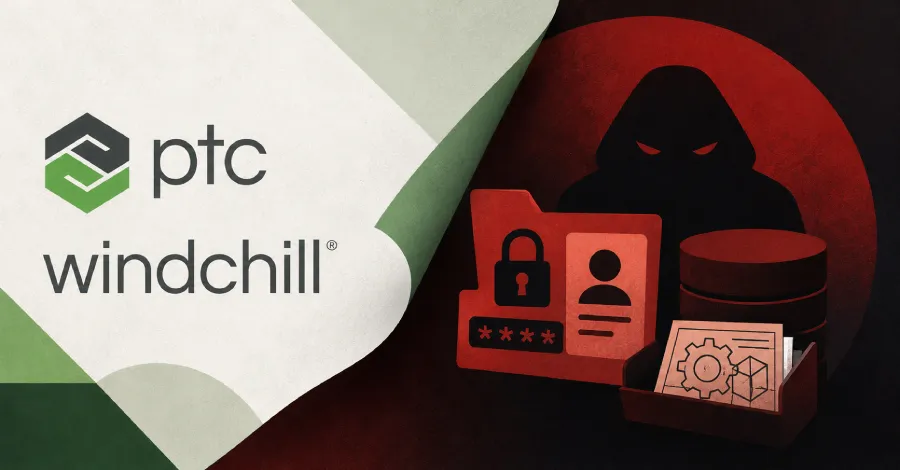
The cybersecurity landscape is in constant flux, with new threats emerging at an alarming rate. Among the most concerning is the use of web shells, which allow attackers to gain unauthorized access to critical systems. Recently, the Clop ransomware group has been linked to a web shell exploit targeting Windchill, a widely used engineering data management platform. This development raises serious questions about data security and the vulnerabilities that organizations must address to safeguard their assets.
Web shells are malicious scripts that attackers can upload to a server, providing them with a backdoor to execute commands remotely. The implications of such an exploit can be devastating, especially when sensitive engineering data is at stake. The Clop group's recent activities demonstrate how cybercriminals can leverage these tools to decrypt credentials and further their agenda, emphasizing the need for robust cybersecurity measures.
The Mechanics of the Clop Web Shell Exploit
Understanding how the Clop-linked Windchill web shell operates is crucial for organizations seeking to protect themselves. The exploit begins when an attacker successfully uploads a web shell to a vulnerable Windchill server. Once installed, the web shell allows the attacker to execute a range of commands, including:
- Decrypting stored credentials to gain access to sensitive accounts
- Mapping engineering data to identify valuable targets
- Executing additional payloads to escalate privileges or spread within the network

These capabilities highlight the critical nature of securing web applications and monitoring for signs of unauthorized access. The Clop group, known for its sophisticated and targeted attacks, utilizes this exploit to identify and exfiltrate engineering data, which can be used for financial gain or corporate espionage.
Why This Matters: The Broader Implications for Businesses
The ramifications of the Clop web shell exploit extend beyond individual companies. When engineering data is compromised, it can lead to a cascade of negative outcomes, including:
- Loss of intellectual property
- Significant financial losses due to operational disruptions
- Legal ramifications and regulatory penalties

Organizations must understand that the risk of identity exposure and the subsequent breach routes it opens are far-reaching. The interconnectedness of modern IT environments means that a breach in one area can compromise other systems, creating active attack paths that are difficult to sever. For example, if an attacker gains access to an engineering database, they may exploit that access to escalate privileges and infiltrate other critical systems.
Strategies for Mitigating Risks
Given the alarming nature of these threats, businesses must take proactive steps to bolster their cybersecurity posture. Here are several strategies that can help mitigate risks associated with web shell exploits:
1. Regular Security Assessments
Conducting frequent security assessments can help identify vulnerabilities in your systems. This includes penetration testing and vulnerability scanning to uncover potential entry points for attackers.
2. Implementing Web Application Firewalls (WAF)
A web application firewall can help filter and monitor HTTP traffic to and from web applications. By detecting and blocking malicious traffic, WAFs can significantly reduce the risk of web shell uploads.
3. Employee Training and Awareness
Human error remains one of the leading causes of security breaches. Training employees to recognize phishing attempts and secure sensitive information is crucial in preventing unauthorized access.
4. Incident Response Planning
Having a robust incident response plan in place can help organizations respond swiftly to a breach. This includes identifying key personnel, outlining communication strategies, and establishing procedures for remediation.
5. Zero Trust Architecture
Adopting a zero trust approach, where trust is never assumed regardless of the location of the request, can help reduce the attack surface and minimize the risk of lateral movement within networks.

Key Takeaways
- The Clop ransomware group exploits web shells to gain unauthorized access to engineering data.
- Compromised engineering data can lead to significant financial and legal consequences.
- Proactive security measures, including regular assessments and employee training, are critical for mitigating risks.
- Implementing a zero trust architecture can help organizations reduce their attack surface.
Frequently Asked Questions
What is a web shell, and how does it work?
A web shell is a malicious script that attackers upload to a web server, allowing them to execute commands remotely. Once installed, it provides a backdoor for attackers to manipulate the server, access sensitive data, and potentially move laterally within a network.
How can organizations detect web shell installations?
Organizations can detect web shell installations through various methods, including monitoring server logs for unusual activity, using intrusion detection systems (IDS), and implementing web application firewalls (WAF) that can flag suspicious uploads.
What are the best practices for securing engineering data?
Best practices for securing engineering data include implementing strong access controls, encrypting sensitive data, regularly updating software and systems, and conducting regular security assessments to identify vulnerabilities.
How can organizations respond to a web shell attack?
In the event of a web shell attack, organizations should initiate their incident response plan, which includes containing the breach, conducting a forensic investigation, and implementing remediation measures. Additionally, communication with stakeholders and regulatory bodies may be necessary, depending on the severity of the breach.
Comments
T-Mobile's Bold Response to Cyber Threats: Cutting Off Chinese Hackers
In an unprecedented move, T-Mobile cybersecurity teams physically severed connections to expel Chinese hackers from their network. This incident highlights the growing threat of cyber espionage and the measures companies may take to safeguard their data.

Related articles



Popular in Cybersecurity
- Federal Mandate for Autonomous Vehicles: A Call for Safety Compliance
- EU Mandates Google to Share Data and Open AI on Android: What It Means
- GitHub Revamps Bug Bounty Program: Implications for Developers and Security
- Australian Government Disables Thousands of Functional Broadband Routers: A Wasteful Decision
- Exploiting Redis: Understanding Zero-Day Vulnerabilities and Their Mitigation