StopAndProtect: The Alarming Use of Hacked WordPress Sites for Malware Distribution
The alarming trend of cybercriminals exploiting hacked WordPress sites highlights a growing security concern. This article delves into how these sites are used to spread malware and steal sensitive data while providing insights on preventing such attacks.
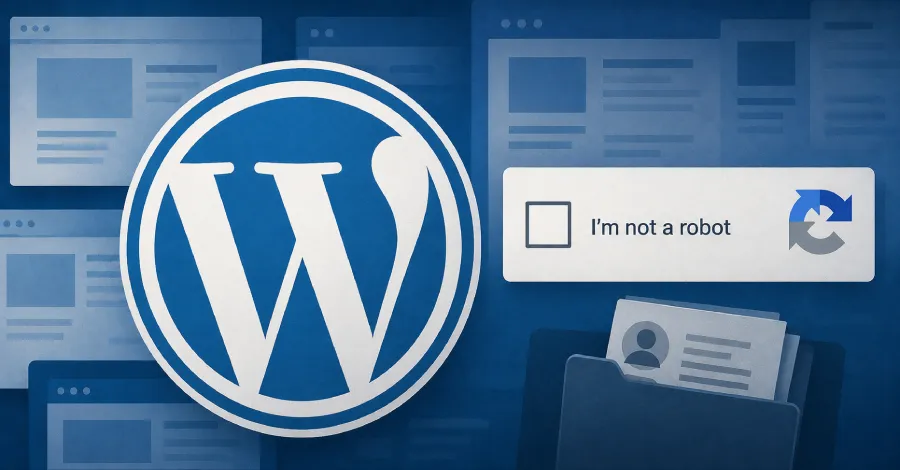
In the rapidly evolving landscape of cyber threats, the exploitation of hacked WordPress sites has emerged as a significant concern for businesses and individuals alike. With nearly 2,000 compromised sites reported to be under the control of a malicious entity known as StopAndProtect, this alarming trend underscores the vulnerability of widely-used content management systems (CMS) like WordPress. The implications are profound: not only are these sites used to distribute malware, but they also serve as a gateway for stealing sensitive data, raising urgent questions about cybersecurity in a digitized world.
The use of hacked WordPress sites as vectors for malware propagation is not a new occurrence; however, the scale and organization of these attacks have grown increasingly sophisticated. Cybercriminal organizations like StopAndProtect leverage the inherent vulnerabilities in outdated plugins, themes, and even the core WordPress software itself to gain unauthorized access. Once they penetrate a site, they can install malicious scripts that not only infect the site but also pose a significant risk to its visitors, leading to data breaches that can have devastating consequences.
Understanding the Malware Distribution Mechanism
At the core of the StopAndProtect operation is a strategic approach to malware distribution that capitalizes on the trust users have in legitimate websites. Here’s how the process typically unfolds:
- Initial Compromise: Cybercriminals identify vulnerable WordPress sites, often through automated scanning tools that seek out outdated software or known vulnerabilities.
- Malicious Code Injection: Once access is gained, attackers inject malicious code into the site’s database or files, which can also be hidden within seemingly harmless content.
- Propagation: The infected site begins to serve malware to unsuspecting visitors, often through drive-by downloads that execute without user consent.
- Data Harvesting: The malware can be designed to steal sensitive information such as login credentials, payment information, and personal data.

The Broader Impact of Hacked WordPress Sites
The ramifications of these attacks extend beyond the immediate victim. Businesses that rely on WordPress for their online presence can face severe reputational damage, loss of customer trust, and financial repercussions. Here are some specific impacts:
1. Reputational Damage
Once a site is identified as distributing malware, search engines may penalize it by lowering its rank or blacklisting it altogether. This can lead to a significant drop in traffic and a tarnished reputation that may take years to recover.
2. Financial Losses
For businesses, the cost of remediation can be substantial. This includes expenses related to restoring compromised sites, legal fees, and potential fines from regulatory bodies concerned with data protection.
3. Legal Liabilities
Organizations that fail to protect user data may face lawsuits from affected individuals or regulatory actions. The legal landscape surrounding data privacy is tightening, with laws like the General Data Protection Regulation (GDPR) imposing strict penalties for breaches.
Preventive Measures for WordPress Site Owners
Given the prevalence of these attacks, it is imperative for WordPress site owners to take proactive steps to secure their websites. Here are several effective strategies:
- Regular Updates: Always keep WordPress, themes, and plugins updated to the latest versions to mitigate known vulnerabilities.
- Strong Authentication: Implement multi-factor authentication (MFA) to add an extra layer of security against unauthorized access.
- Web Application Firewalls: Utilize a web application firewall (WAF) to filter and monitor HTTP traffic between a web application and the Internet, protecting against attacks.
- Regular Backups: Maintain regular backups of your website to ensure that you can quickly restore functionality in case of an attack.
- Security Plugins: Invest in security plugins that offer malware scanning, firewall protection, and real-time monitoring.

Legal and Market Context of Cybersecurity
The increasing frequency and sophistication of cyberattacks, particularly those leveraging vulnerabilities in widely-used platforms like WordPress, have drawn the attention of regulators and cybersecurity experts alike. The legal context is evolving, with governments worldwide introducing stricter regulations to protect consumer data and impose higher penalties for non-compliance.
In the United States, the Federal Trade Commission (FTC) has taken a more aggressive stance against companies that fail to safeguard consumer data. This places additional pressure on businesses to implement robust cybersecurity measures, particularly as more customers demand transparency regarding data handling practices.
Moreover, the market for cybersecurity solutions is booming, with companies increasingly investing in advanced threat detection and response systems. These solutions are essential to counteract the evolving tactics employed by cybercriminals, as they seek to exploit any weakness in a business's digital infrastructure.

Key Takeaways
- Hacked WordPress sites pose a significant cybersecurity risk, with nearly 2,000 sites under the control of StopAndProtect.
- Understanding the malware distribution mechanism is crucial for recognizing and preventing attacks.
- Preventive measures such as regular updates and strong authentication can significantly reduce risks.
- Legal implications of data breaches are increasing, prompting greater scrutiny from regulators.
- The cybersecurity solutions market is experiencing substantial growth as businesses seek to protect their data.
Frequently Asked Questions
How can I tell if my WordPress site has been hacked?
Signs of a hacked WordPress site may include unexpected changes to your site’s content, slow performance, or the presence of unfamiliar users in your admin area. Additionally, if your site is blacklisted by search engines or browsers, it’s a strong indicator of compromise. Regular security scans can help detect malware or unauthorized changes.
What should I do if my site is hacked?
If you discover that your site has been hacked, it’s crucial to act quickly. Start by removing the malicious code and restoring your site from a clean backup. Change all passwords associated with your site and consider contacting a cybersecurity professional for a thorough assessment and cleanup. Afterward, implement stronger security measures to prevent future attacks.
Are WordPress security plugins worth the investment?
Yes, investing in WordPress security plugins can be highly beneficial. They provide essential features such as malware scanning, firewall protection, and real-time monitoring, which help detect and mitigate threats before they can cause significant damage. The cost of these plugins is negligible compared to the potential losses from a security breach.
What are the legal consequences of a data breach?
The legal consequences of a data breach can vary depending on the severity and nature of the incident. Companies may face lawsuits from affected customers, regulatory fines, and increased scrutiny from governing bodies. Laws like GDPR in Europe impose strict penalties for non-compliance, which can lead to substantial financial liabilities for businesses that fail to protect consumer data.
Comments
T-Mobile's Bold Response to Cyber Threats: Cutting Off Chinese Hackers
In an unprecedented move, T-Mobile cybersecurity teams physically severed connections to expel Chinese hackers from their network. This incident highlights the growing threat of cyber espionage and the measures companies may take to safeguard their data.

Related articles




Popular in Cybersecurity
- Federal Mandate for Autonomous Vehicles: A Call for Safety Compliance
- EU Mandates Google to Share Data and Open AI on Android: What It Means
- GitHub Revamps Bug Bounty Program: Implications for Developers and Security
- Australian Government Disables Thousands of Functional Broadband Routers: A Wasteful Decision
- Exploiting Redis: Understanding Zero-Day Vulnerabilities and Their Mitigation