Microsoft Identifies 30+ Domains Linked to MacSync Malware: What You Need to Know
Microsoft has unveiled connections between over 30 rotating domains and the MacSync stealer malware, raising alarms about identity exposure and security vulnerabilities. This article delves into the implications for businesses and individuals.
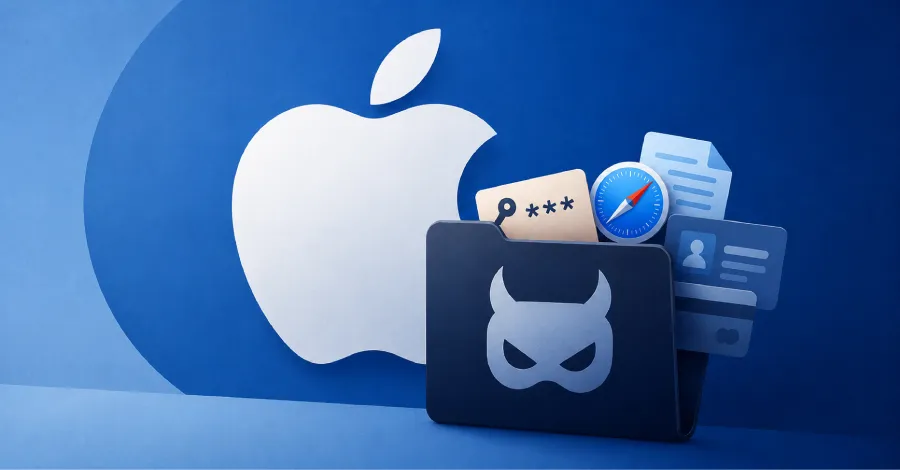
In an alarming revelation, Microsoft has traced over 30 rotating domains back to the MacSync stealer malware, a sophisticated piece of software designed to harvest sensitive information from unsuspecting victims. This news not only underscores the evolving landscape of cybersecurity threats but also highlights the potential vulnerabilities that businesses and individuals face in today's digital environment. With identity exposure being a critical aspect of security breaches, understanding the implications of this malware is crucial for anyone navigating the interconnected web of online services.
The MacSync malware operates by infiltrating systems through various attack vectors, often leveraging social engineering tactics to trick users into downloading malicious files. Once installed, it can extract credentials, payment information, and other personal data, effectively opening gateways for further exploitation. The identification of these domains by Microsoft serves as a critical reminder of the ongoing battle against cyber threats and the need for robust security measures.
Understanding the MacSync Malware
MacSync is a stealer malware that targets macOS systems, aiming to siphon off valuable data that can be used for identity theft or further cyber attacks. The malware typically spreads via phishing emails or compromised software downloads, making it essential for users to remain vigilant and informed about potential threats.
How Does MacSync Operate?
Once a user unknowingly installs the MacSync malware, it begins to collect data in the background without the user's knowledge. Key functionalities include:
- **Credential Theft**: The malware captures usernames and passwords stored in browsers.
- **Financial Data Extraction**: It can also access credit card information and other sensitive financial details.
- **System Monitoring**: MacSync can monitor user activity, providing attackers with insights into further exploit opportunities.
The effectiveness of MacSync lies in its ability to disguise itself, often masquerading as legitimate software. This tactic not only makes detection challenging but also amplifies the risk of widespread identity exposure.

The Role of Rotating Domains
One of the most concerning aspects of the MacSync malware is its use of rotating domains. This strategy allows attackers to evade traditional detection methods by frequently changing the domains they use to communicate with compromised systems. By doing so, they can maintain control over infected devices while minimizing the chances of being blocked by security protocols.
Why Rotating Domains Matter
The use of rotating domains is a sophisticated tactic that complicates the task of cybersecurity professionals. It enables attackers to:
- **Bypass Security Filters**: Many security solutions rely on static domain lists to block known threats. Rotating domains can circumvent these lists.
- **Maintain Persistence**: Attackers can continue to operate even if some domains are blacklisted.
- **Enhance Anonymity**: Frequent changes can obscure the attacker's identity and location.
This dynamic nature of the infrastructure used by MacSync emphasizes the need for advanced threat detection solutions that can adapt to these evolving tactics.

The Impact of Identity Exposure
Identity exposure through malware such as MacSync can lead to severe repercussions for both individuals and organizations. When sensitive information is compromised, it opens doors for various forms of fraud and cyber attacks.
Real-World Consequences
Here are some potential outcomes of identity exposure:
- **Financial Loss**: Victims may face unauthorized transactions, leading to significant financial setbacks.
- **Reputation Damage**: Businesses may suffer reputational harm, resulting in loss of customer trust and potential revenue decline.
- **Legal Repercussions**: Organizations may face legal consequences for failing to protect customer data adequately.
The fallout from a successful attack can be devastating, highlighting the importance of proactive measures to mitigate risks associated with identity exposure.

Strategies for Mitigating Risks
In light of the evolving threat landscape, businesses and individuals must implement robust cybersecurity measures to safeguard against malware like MacSync. Here are several strategies to consider:
Implement Multi-Factor Authentication (MFA)
Using MFA adds an additional layer of security, making it significantly harder for attackers to gain access to accounts, even if they have compromised passwords.
Educate Users
Awareness training for employees and individuals can significantly reduce the risk of falling victim to social engineering attacks.
Regular Software Updates
Keeping software up to date is crucial in protecting systems against known vulnerabilities that malware can exploit.
Utilize Advanced Threat Detection Solutions
Investing in advanced security solutions that can detect and respond to rotating domain threats is essential for effective cybersecurity posture.
Key Takeaways
- Microsoft has linked over 30 domains to the MacSync stealer malware, highlighting serious security concerns.
- Rotating domains complicate detection and response efforts for cybersecurity professionals.
- Identity exposure can lead to significant financial and reputational consequences for affected individuals and organizations.
- Implementing robust cybersecurity measures is critical to mitigating risks associated with malware.
Frequently Asked Questions
What is MacSync malware?
MacSync is a type of stealer malware that specifically targets macOS systems to extract sensitive information, including login credentials and financial data. It often spreads through phishing emails and compromised downloads, making user awareness essential for prevention.
Why are rotating domains a concern in cybersecurity?
Rotating domains pose a significant challenge in cybersecurity as they allow attackers to evade detection by frequently changing the domains they use to communicate with compromised systems. This tactic can undermine traditional security measures that rely on static domain blocking.
How can individuals protect themselves from malware like MacSync?
Individuals can protect themselves by using multi-factor authentication, being cautious about the software they download, regularly updating their systems, and educating themselves about the latest cybersecurity threats and how to recognize them.
What should businesses do to mitigate the risks of identity exposure?
Businesses should implement comprehensive cybersecurity policies, conduct regular security training for employees, invest in advanced threat detection technologies, and ensure compliance with data protection regulations to minimize the risk of identity exposure and its consequences.
Comments
T-Mobile's Bold Response to Cyber Threats: Cutting Off Chinese Hackers
In an unprecedented move, T-Mobile cybersecurity teams physically severed connections to expel Chinese hackers from their network. This incident highlights the growing threat of cyber espionage and the measures companies may take to safeguard their data.

Related articles






Popular in Cybersecurity
- Federal Mandate for Autonomous Vehicles: A Call for Safety Compliance
- EU Mandates Google to Share Data and Open AI on Android: What It Means
- GitHub Revamps Bug Bounty Program: Implications for Developers and Security
- Australian Government Disables Thousands of Functional Broadband Routers: A Wasteful Decision
- Exploiting Redis: Understanding Zero-Day Vulnerabilities and Their Mitigation