Understanding Microsoft Copilot's Vulnerabilities: Risks and Recommendations
Microsoft Copilot's integration across various applications raises serious concerns about data security. Learn how its flaws could lead to data exfiltration and what businesses can do.
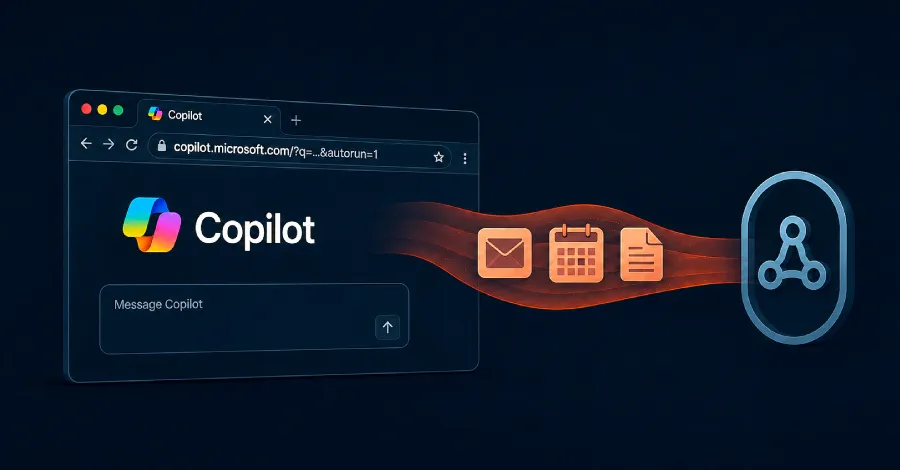
The advent of AI-driven tools like Microsoft Copilot has revolutionized the way organizations streamline workflows and enhance productivity. However, with great power comes great responsibility, and recent findings have illuminated significant vulnerabilities within Copilot that could allow malicious actors to exploit connected applications for data exfiltration. In this article, we will delve into the specific flaws identified within Microsoft Copilot, the implications for businesses, and practical recommendations for safeguarding sensitive information.
The Rise of AI Assistants in Business
Microsoft Copilot, a cutting-edge AI assistant embedded within Microsoft 365 applications, was designed to help users create documents, analyze data, and automate repetitive tasks. With its ability to draw context from various applications, Copilot aims to enhance productivity and collaboration among teams. However, the integration that makes Copilot so powerful also poses significant security risks.
Integration and Data Accessibility
Copilot operates within a network of applications, seamlessly accessing data from tools like Excel, Word, and Teams. This cross-domain functionality allows users to quickly pull information from one application to another, thus improving efficiency. Yet, this accessibility creates a double-edged sword; if not properly secured, it can open pathways for cybercriminals to exfiltrate sensitive data.
Identifying the Vulnerabilities
Recent investigations into Microsoft Copilot revealed that one-click vulnerabilities could enable unauthorized users to access and exfiltrate data from connected applications. These vulnerabilities stem from several factors:
- Cross-domain privilege escalation: Attackers could exploit permissions across different applications to gain higher access privileges than intended.
- Insufficient authentication measures: Weak authentication protocols may allow unauthorized users to gain access to sensitive information.
- Lack of user awareness: Employees may not be sufficiently trained to recognize phishing attempts or suspicious activities, making them more susceptible to attacks.
Real-World Impact
The implications of these vulnerabilities are staggering. For instance, if a malicious actor successfully exploits a flaw within Copilot to access an organization’s financial data stored in Excel, the repercussions could be devastating. Beyond monetary loss, breaches can lead to reputational damage, regulatory penalties, and loss of customer trust.

Mitigating Risks: Best Practices for Organizations
To safeguard against potential data breaches stemming from Microsoft Copilot vulnerabilities, organizations must adopt a multi-faceted approach to security. Here are some best practices:
- Regular security audits: Conduct regular audits of all applications connected to Copilot to identify potential vulnerabilities.
- Implement strong authentication: Use multi-factor authentication (MFA) across all applications to bolster security.
- Employee training: Invest in comprehensive training programs to educate staff about cybersecurity best practices, including recognizing phishing attempts and secure data handling.
- Limit access permissions: Adopt the principle of least privilege, granting users only the access they need to perform their jobs.
The Future of AI in the Workplace
As AI tools like Microsoft Copilot become more integrated into daily business operations, understanding and addressing their vulnerabilities will be crucial. Organizations must remain vigilant in monitoring and updating their security measures to protect sensitive data. Furthermore, as these technologies evolve, so too will the tactics employed by cybercriminals.
Staying Ahead of Threats
To stay ahead of potential threats, businesses should consider establishing a dedicated cybersecurity team to monitor for breaches, conduct penetration testing, and implement incident response plans. Collaborating with cybersecurity firms can also provide valuable insights into emerging threats and effective mitigation strategies.

Key Takeaways
- Microsoft Copilot's integration can lead to significant data exfiltration risks.
- Vulnerabilities include cross-domain privilege escalation and insufficient authentication measures.
- Implementing strong security practices and regular audits is essential for mitigating risks.
- Employee training plays a crucial role in recognizing and preventing cyber threats.
- Staying proactive in cybersecurity efforts is vital as AI tools evolve.
Frequently Asked Questions
What is Microsoft Copilot and how does it work?
Microsoft Copilot is an AI-powered assistant integrated within the Microsoft 365 suite, designed to enhance productivity by automating tasks and providing data insights. It works by accessing context from different applications to assist users in generating content, analyzing data, and improving collaboration.
What are the main vulnerabilities associated with Microsoft Copilot?
The primary vulnerabilities linked to Microsoft Copilot include cross-domain privilege escalation, weak authentication protocols, and a lack of user awareness, which can all be exploited by cybercriminals to access sensitive data across connected applications.
How can organizations protect themselves from data breaches related to AI tools?
Organizations can protect themselves by conducting regular security audits, implementing strong authentication measures like multi-factor authentication, providing employee training on cybersecurity best practices, and adopting the principle of least privilege when granting access to applications.
What should businesses do if they suspect a data breach?
If a business suspects a data breach, it should immediately activate its incident response plan, conduct a thorough investigation to assess the extent of the breach, notify affected parties, and work with cybersecurity experts to remediate vulnerabilities and prevent future incidents.
Comments
Ransomware Response: Ransom Busters Claims to Hack Ransomware Servers
Ransom Busters has made headlines by claiming to have hacked ransomware servers, offering victims a way out for up to $60,000. This bold move raises critical questions about the evolving landscape of cybersecurity.

Related articles




Popular in Cybersecurity
- Federal Mandate for Autonomous Vehicles: A Call for Safety Compliance
- EU Mandates Google to Share Data and Open AI on Android: What It Means
- GitHub Revamps Bug Bounty Program: Implications for Developers and Security
- Australian Government Disables Thousands of Functional Broadband Routers: A Wasteful Decision
- Exploiting Redis: Understanding Zero-Day Vulnerabilities and Their Mitigation