The Evolving Battlefield: Ukrainian Drones vs. Russian Tank Defense Systems
As the conflict in Ukraine unfolds, the effectiveness of modern drone warfare is challenging traditional armored vehicle defenses. The recent deployment of Russia's Arena-M system highlights the ongoing arms race in military technology.
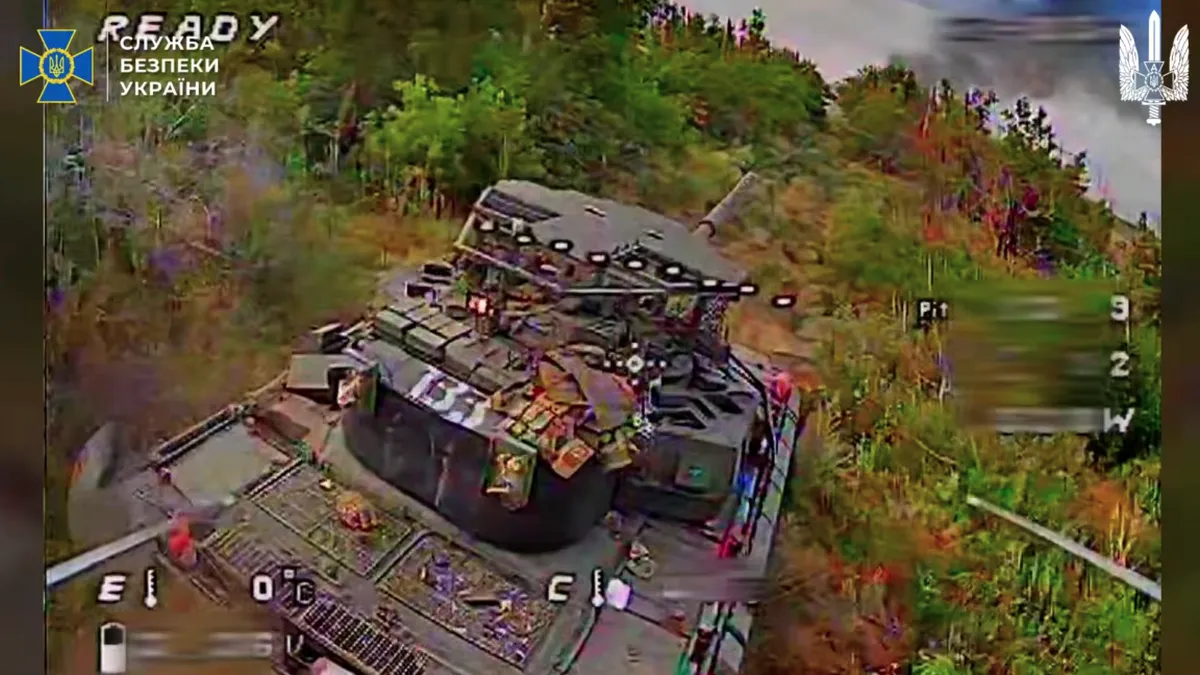
The battlefield dynamics in Ukraine have transformed dramatically over recent years, with drone warfare emerging as a game-changer. The recent deployment of Russia's Arena-M active protection system (APS) on its T-72B3A tanks marks a significant technological advancement aimed at countering drone threats. However, recent combat outcomes reveal that even with such defenses, Russian tanks remain vulnerable. This situation underscores the evolving nature of warfare where traditional armored tactics clash with modern, cost-effective drone strategies.
On July 22, 2026, Russian forces launched a significant offensive in the Donetsk Oblast, showcasing the first battlefield use of the Arena-M system. Despite the technological enhancements, Ukrainian forces successfully executed drone strikes that resulted in the destruction of at least seven Russian tanks, including the ones equipped with the Arena-M. This incident not only illustrates the limitations of the current technology but also highlights the escalating arms race where both sides are continuously adapting their tactics and technologies.
The Arena-M: A New Defense Mechanism
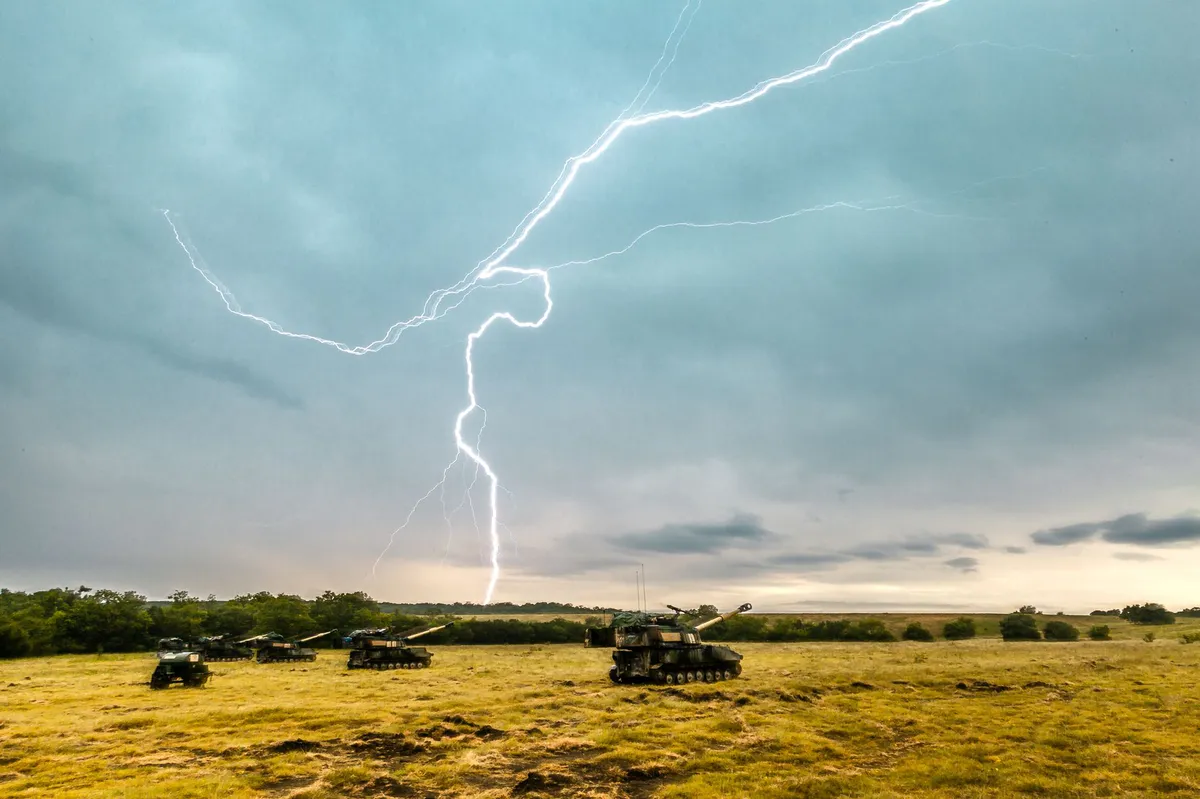
The Arena-M system is the latest iteration of the Soviet-era Arena system, designed primarily to intercept incoming anti-tank projectiles, such as rocket-propelled grenades and missiles. Utilizing radar technology, Arena-M identifies threats and launches countermunitions to neutralize them before impact. However, the technology faces significant hurdles when it comes to detecting and intercepting small, agile drones.
Technical Limitations
One of the core challenges with the Arena-M system is its ability to adapt to the unique flight characteristics of drones. Unlike larger projectiles that follow predictable trajectories, drones can maneuver in unpredictable ways, making interception more difficult. Reports indicate that Russian engineers have faced challenges in effectively integrating the necessary software to enhance drone detection capabilities into the Arena-M system.
Furthermore, operational constraints limit the number of countermunitions available for interception. Ukrainian forces have reported scenarios where they needed to deploy between 15 to 20 drones to destroy just one Russian tank, demonstrating that while the Arena-M can shoot down some drones, it can still be overwhelmed by sheer numbers.
The Cost of Modern Warfare
The economics of drone warfare further complicate the battlefield dynamics. Kamikaze drones used by Ukrainian forces can be produced for as little as $400 each. In contrast, a single T-72B3A tank equipped with advanced systems can cost millions of dollars. This cost disparity offers Ukrainian forces a sustainable method to degrade Russian armor while managing their own expenditures.
Implications for Future Military Strategies
The ongoing conflict highlights a fundamental shift in military strategies. As traditional armored assaults become increasingly risky in the face of drone saturation, forces on both sides are recalibrating their approaches. The Russian military, for instance, has previously resorted to adding physical armor to its vehicles, like “cope cages” and “turtle tanks,” but these modifications often come with trade-offs in mobility and firepower.
In light of these challenges, the Arena-M system's limited success has prompted discussions among military analysts about the necessity for layered defense strategies. Experts from the Institute for the Study of War have suggested that merely enhancing the Arena-M system may not be sufficient; integrating additional air defense mechanisms could provide more robust protection against drone swarms and other threats.

Lessons from Other Conflicts
The struggle to defend against drone threats is not unique to Ukraine. Similar challenges have been observed in other theaters of conflict, such as the US-Israeli engagements against Iranian-backed forces in Lebanon. Israeli Merkava tanks equipped with the Trophy APS have also faced difficulties in countering small drones, leading to significant losses despite their advanced technology. This scenario emphasizes that even the most sophisticated systems can falter against innovative tactics employed by adversaries.
International Response and Future Developments
The shortcomings of active protection systems against drones have not gone unnoticed. European countries have shown interest in acquiring the Trophy system to bolster their defenses against aerial threats. As military leaders around the world observe the lessons from Ukraine and other conflicts, there is a growing recognition that conventional armor needs to adapt to survive in a drone-dominated battlefield.
In the United States, several hundred M1 Abrams tanks have been outfitted with the Trophy system, reflecting a proactive approach to addressing drone threats. However, the challenges faced during military exercises, where Ukrainian drone operators successfully targeted US tanks, underscore the ongoing need for innovation in tank design and battlefield tactics.
Key Takeaways
- The deployment of the Arena-M system by Russian forces has shown limited effectiveness against Ukrainian drone strikes.
- The cost-effectiveness of drone warfare allows Ukrainian forces to sustain operations despite heavy losses.
- Modern military engagements must adapt to the realities of drone saturation, requiring layered defense systems.
- Lessons from Ukraine are influencing international military strategies, with nations seeking to enhance their armored vehicle defenses.
Frequently Asked Questions
What is the Arena-M active protection system?
The Arena-M is a modern active protection system designed to intercept incoming threats such as missiles and rocket-propelled grenades. Developed from earlier Soviet technology, it employs radar to detect threats and launches countermunitions to neutralize them before they reach the armored vehicle.
Why are drones so effective against traditional tanks?
Drones are effective against tanks due to their ability to operate at low costs and in large numbers. The economic disparity between the cost of a drone—often around $400—and the multi-million dollar expense of a tank creates a compelling trade-off for operators. Drones can also exploit vulnerabilities in tank defenses, which have not fully adapted to counter drone warfare.
How have other countries responded to the drone threat?
Other nations, such as Israel, have faced similar challenges with their active protection systems against drone attacks. In response, they have sought to enhance their existing defenses, leading to increased interest in technologies like the Trophy system, which has been adopted by various European countries and the US military to better protect armored vehicles.
What are the implications for future military conflicts?
The ongoing arms race between drone technology and armored defenses signals a significant shift in military strategy. As traditional tactics become less effective in the face of drone saturation, militaries worldwide must innovate and adapt their approaches to ensure that armored vehicles can survive and operate effectively in modern warfare scenarios.
Comments
Ransomware Response: Ransom Busters Claims to Hack Ransomware Servers
Ransom Busters has made headlines by claiming to have hacked ransomware servers, offering victims a way out for up to $60,000. This bold move raises critical questions about the evolving landscape of cybersecurity.

Related articles




Popular in Cybersecurity
- Federal Mandate for Autonomous Vehicles: A Call for Safety Compliance
- EU Mandates Google to Share Data and Open AI on Android: What It Means
- GitHub Revamps Bug Bounty Program: Implications for Developers and Security
- Australian Government Disables Thousands of Functional Broadband Routers: A Wasteful Decision
- Exploiting Redis: Understanding Zero-Day Vulnerabilities and Their Mitigation