Disney Takes a Stand: Legal Battle Against FCC's Censorship Tactics
Disney has filed a lawsuit against the FCC and its chairman Brendan Carr, alleging a campaign of censorship aimed at its ABC network. This legal move comes amid heightened tensions between media companies and government oversight, particularly under the Trump administration.
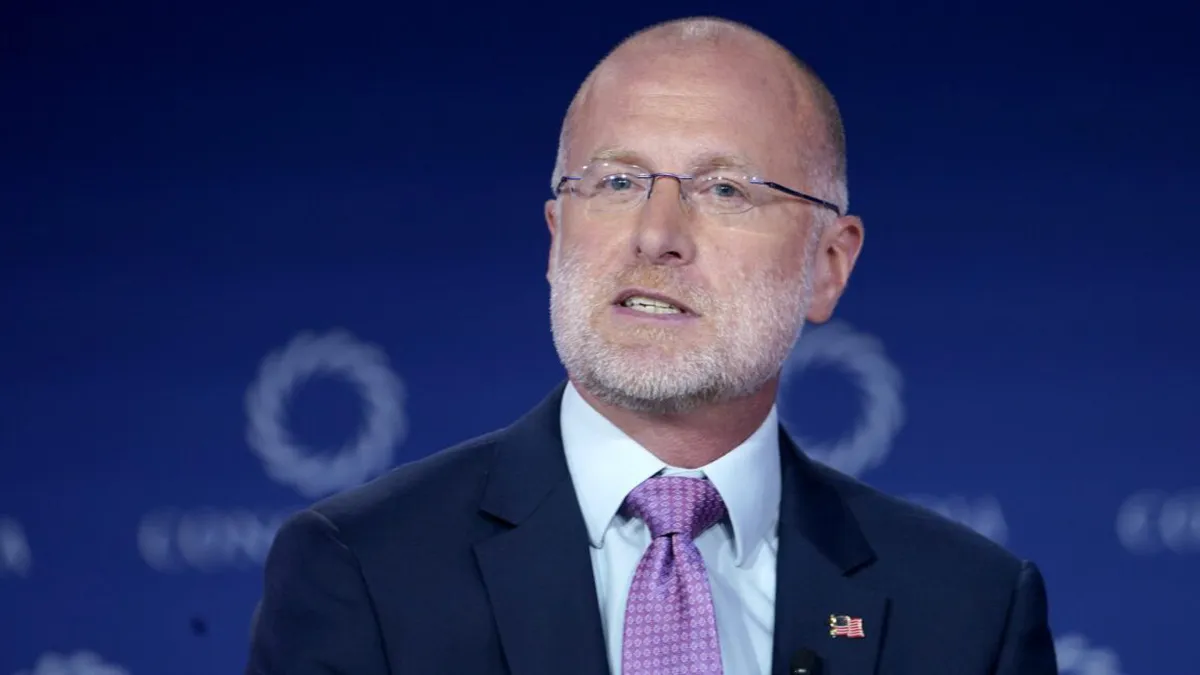
In a bold legal maneuver that has significant implications for media freedom and the First Amendment, Disney has filed a lawsuit against the Federal Communications Commission (FCC) and its chairman Brendan Carr. This lawsuit, lodged in the U.S. District Court for the District of Columbia, accuses the FCC of waging a campaign of censorship against ABC, one of Disney's flagship networks. The backdrop of this conflict is a politically charged atmosphere where media companies face increasing pressure from government entities, particularly during the Trump administration's tenure.
The lawsuit, which also seeks a temporary restraining order and preliminary injunction to halt the FCC's proceedings, alleges that the FCC's actions are a direct retaliation against ABC for its editorial choices and programming. Disney claims these actions violate the First Amendment, which protects freedom of speech and press. The stakes are incredibly high, as the outcome of this lawsuit could set a precedent for how government entities interact with media organizations in the future.

Understanding the Censorship Allegations
At the heart of Disney's complaint is an assertion that the FCC, under Carr's leadership, has engaged in a systematic attempt to intimidate and control ABC's broadcast content. The lawsuit details how, following a series of critical reports and programming decisions by ABC that displeased the Trump administration, the FCC initiated a review of broadcast licenses for all eight ABC stations owned by Disney. This review is seen as an unusual and aggressive move, particularly as it was ordered just a day after President Trump publicly criticized ABC and called for the firing of Jimmy Kimmel, a comedian known for his satirical take on the administration.
Historical Context of Media-Government Relations
The relationship between media and government has often been fraught with tension, especially when it comes to issues of censorship and freedom of expression. Historically, media outlets have faced pressure from various administrations but have also fought back to maintain their independence. This current lawsuit is not just about Disney or ABC; it reflects a broader struggle between the media and government entities over the control of information and the right to report freely without fear of retribution.
Specific Claims in the Lawsuit
Disney's lawsuit articulates several key claims against the FCC:
- Retaliatory Actions: The FCC is accused of retaliating against ABC for its speech, specifically targeting the network's content that critiques the administration.
- First Amendment Violations: By threatening to revoke broadcast licenses, the FCC is allegedly infringing upon ABC's First Amendment rights.
- Chilling Effect: The ongoing threats from the FCC are said to create a chilling effect on ABC's editorial decisions, impacting its ability to report freely.
- Disinformation Accusations: The FCC has claimed that Disney is spreading disinformation regarding its motives and actions, further complicating the narrative.

The Political Landscape and Its Impact
This legal battle is set against a backdrop of heightened political tension where media coverage of the Trump administration has often been met with hostility. The FCC's review, initiated by Carr, has been framed as a response to allegations that ABC's diversity, equity, and inclusion (DEI) practices may violate anti-discrimination rules. Critics argue that this is a guise for targeting media outlets that are perceived as adversarial to the administration.
Reactions from Key Players
Responses to Disney's lawsuit have varied across the political spectrum. While some FCC commissioners, like Anna Gomez, have voiced support for Disney's stance, others have defended the FCC's actions as necessary to ensure that broadcasters operate in the public interest. Gomez has publicly condemned the FCC's approach, asserting that the actions taken against ABC represent an overreach of governmental power and an affront to journalistic integrity.
Implications for the Future of Broadcasting
The outcome of this lawsuit could have far-reaching implications not just for Disney and ABC but for the entire media landscape in the United States. If the court sides with Disney, it could reaffirm the protections afforded to media organizations under the First Amendment and curtail the government's ability to leverage licensing as a tool for censorship.
Conversely, if the court sides with the FCC, it could embolden further governmental interventions in media operations, potentially leading to a landscape where broadcasters may censor themselves to avoid reprisals. This would fundamentally alter the relationship between government and media, raising serious questions about free expression and the role of journalism in a democratic society.
Key Takeaways
- Disney's lawsuit against the FCC could set a significant precedent for First Amendment rights.
- The legal battle reflects broader concerns about media freedom under government scrutiny.
- Potential outcomes could redefine the relationship between media organizations and government entities.
- Support and opposition to Disney's claims highlight the polarized political climate surrounding media representation.
Frequently Asked Questions
What motivated Disney to file this lawsuit against the FCC?
Disney's decision to file the lawsuit stems from a perceived campaign of censorship directed at its ABC network by the FCC, particularly under the leadership of Chairman Brendan Carr. The lawsuit claims that the FCC has retaliated against ABC for its editorial choices and programming that have been critical of the Trump administration, threatening the network's broadcast licenses as a form of intimidation.
How does this lawsuit impact the broader media landscape?
The lawsuit has the potential to reshape the dynamics between media companies and government regulatory bodies. A ruling in favor of Disney could reinforce First Amendment protections and discourage governmental overreach in media operations, while a ruling in favor of the FCC could legitimize such interventions, leading to increased self-censorship among broadcasters concerned about retaining their licenses.
What are the potential legal arguments that could be made in this case?
Disney's legal arguments center around First Amendment violations, asserting that the FCC's actions constitute retaliation against protected speech. The company may also argue that the FCC's review process lacks legal basis and that the demands made by the FCC violate journalistic freedom and the integrity of news reporting.
What role does the FCC play in regulating media, and how could this case change that role?
The FCC is responsible for regulating interstate and international communications by radio, television, wire, satellite, and cable. This lawsuit could lead to a reevaluation of the FCC's authority, particularly regarding its ability to influence or control the content of media outlets through licensing practices. Depending on the outcome, it could either reinforce or limit the FCC's regulatory power in the media sector.
Comments
Ransomware Response: Ransom Busters Claims to Hack Ransomware Servers
Ransom Busters has made headlines by claiming to have hacked ransomware servers, offering victims a way out for up to $60,000. This bold move raises critical questions about the evolving landscape of cybersecurity.

Related articles




Popular in Cybersecurity
- Federal Mandate for Autonomous Vehicles: A Call for Safety Compliance
- EU Mandates Google to Share Data and Open AI on Android: What It Means
- GitHub Revamps Bug Bounty Program: Implications for Developers and Security
- Australian Government Disables Thousands of Functional Broadband Routers: A Wasteful Decision
- Exploiting Redis: Understanding Zero-Day Vulnerabilities and Their Mitigation