Securing Against Software Vulnerabilities: 5 Essential Steps
As AI becomes a powerful tool in cybersecurity, organizations must understand how to protect against software vulnerabilities. Here are five crucial steps to safeguard your systems.
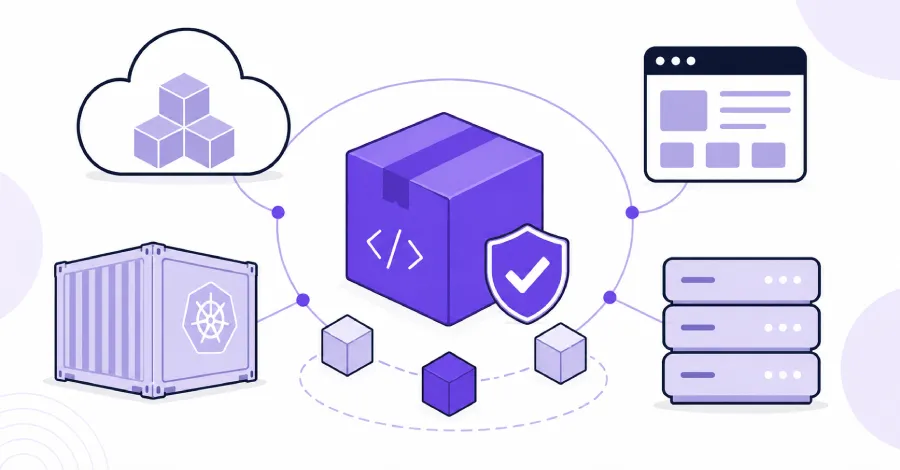
In the rapidly evolving landscape of cybersecurity, artificial intelligence (AI) has emerged as both a formidable ally and a potential adversary. As organizations increasingly rely on AI-driven solutions, the need for robust security measures to protect against software vulnerabilities has never been greater. With AI capable of identifying and exploiting weaknesses within systems, businesses must proactively implement protective strategies. This article outlines five essential steps organizations can take to safeguard against vulnerabilities unveiled by AI models.
The Rising Threat Landscape
AI technologies are becoming integral to cybersecurity, with their ability to analyze vast amounts of data and detect patterns that human analysts may overlook. However, this power comes with risks. Cybercriminals are also leveraging AI to develop sophisticated attacks, exploiting software vulnerabilities that AI can identify. A report from the Cybersecurity and Infrastructure Security Agency (CISA) highlighted that over 60% of organizations experienced some form of cyber attack in the past year, underscoring the urgency for effective countermeasures.

Step 1: Implement Robust Security Protocols
The first line of defense against software vulnerabilities is the implementation of comprehensive security protocols. Organizations should adopt a layered security approach, which includes:
- Regular software updates: Ensure all software and systems are updated to the latest versions to patch known vulnerabilities.
- Access controls: Implement strict access controls to limit user privileges based on job roles.
- Network segmentation: Divide networks into segments to contain potential breaches and reduce the attack surface.
By establishing these protocols, organizations can create a more resilient infrastructure against potential threats.
Step 2: Conduct Regular Vulnerability Assessments
Regular vulnerability assessments are essential for identifying potential weaknesses before they can be exploited. Organizations should schedule assessments at least quarterly, utilizing both automated tools and manual testing to evaluate their security posture. Key components of an effective assessment include:
- Static and dynamic analysis: Use both static code analysis (examining code without executing it) and dynamic analysis (evaluating the running application) to uncover vulnerabilities.
- Penetration testing: Simulate attacks on your systems to understand how they would hold up under real-world conditions.
- Third-party assessments: Engage external security experts to review your systems and uncover blind spots.
These assessments help organizations stay ahead of emerging threats by identifying vulnerabilities before they can be exploited.

Step 3: Leverage AI for Threat Detection
While AI poses threats, it also offers immense potential for enhancing security. Organizations should consider integrating AI-driven threat detection systems that use machine learning to analyze data in real time. These systems can:
- Identify anomalies: Quickly detect unusual patterns that may signify a breach.
- Automate responses: Trigger automated responses to common threats, reducing the time taken to mitigate attacks.
- Enhance analysis: Provide deeper insights into potential vulnerabilities based on historical data.
By harnessing the power of AI, organizations can bolster their defenses and respond more effectively to threats.
Step 4: Educate Employees on Cyber Hygiene
Human error remains one of the leading causes of security breaches. Therefore, organizations must prioritize employee education on cyber hygiene. This includes training employees to recognize phishing attempts, create strong passwords, and adopt secure practices. Regular training sessions can cover topics such as:
- Recognizing social engineering: Teach employees how to identify scams and fraudulent communications.
- Password management: Encourage the use of password managers and the implementation of multi-factor authentication.
- Incident reporting: Develop a culture of transparency where employees feel comfortable reporting suspicious activities.
By fostering a security-aware culture, organizations can significantly reduce the risk of breaches caused by human error.

Step 5: Develop an Incident Response Plan
Even with the best preventative measures, breaches may still occur. Therefore, having a well-defined incident response plan is critical. This plan should outline roles and responsibilities, communication protocols, and recovery procedures. Essential components of an incident response plan include:
- Identification: Procedures for detecting and assessing the severity of an incident.
- Containment: Steps to limit the damage and prevent further breaches.
- Eradication: Strategies to remove the threat from the system.
- Recovery: Processes for restoring systems and data to normal operations.
- Post-incident analysis: Review and analyze the incident to improve future response efforts.
By preparing for potential incidents, organizations can minimize damage and recover more quickly when breaches occur.
Key Takeaways
- AI is a double-edged sword in cybersecurity, presenting both opportunities and threats.
- Implementing robust security protocols is essential for reducing vulnerabilities.
- Regular vulnerability assessments help organizations stay ahead of emerging threats.
- AI-driven threat detection can enhance security measures significantly.
- Training employees on cybersecurity best practices is vital for reducing human error.
Frequently Asked Questions
What are software vulnerabilities and why are they important to address?
Software vulnerabilities are weaknesses or flaws within software applications that can be exploited by attackers to gain unauthorized access or cause harm. Addressing these vulnerabilities is crucial as they can lead to data breaches, financial loss, and damage to an organization’s reputation. An effective vulnerability management strategy is essential for safeguarding sensitive data and maintaining customer trust.
How can organizations leverage AI to improve their cybersecurity posture?
Organizations can leverage AI by implementing AI-driven security solutions that analyze data in real-time to identify and respond to threats. These solutions can learn from historical incidents to improve detection accuracy, automate responses to common threats, and provide valuable insights into vulnerabilities. By integrating AI into their cybersecurity strategies, organizations can enhance their resilience against evolving threats.
What role does employee training play in cybersecurity?
Employee training plays a pivotal role in cybersecurity as human error is a significant factor in many security breaches. Training helps employees recognize potential threats, understand security policies, and adopt safe practices. By fostering a culture of cybersecurity awareness, organizations can empower employees to be the first line of defense against cyber attacks and reduce the likelihood of breaches caused by human mistakes.
What should an incident response plan include?
An effective incident response plan should include identification procedures for detecting incidents, containment strategies to limit damage, eradication steps for removing threats, recovery processes for restoring operations, and a post-incident analysis to improve future responses. By having a comprehensive plan in place, organizations can respond quickly and effectively to minimize the impact of security incidents.
Comments
Block Settles $45 Million Fraud Claims Over Cash App Use
Block, the company behind Cash App, has agreed to a $45 million settlement with 46 states due to allegations of inadequate fraud protection measures. This settlement highlights the growing scrutiny of fintech applications and their responsibility in safeguarding users against fraudulent activities.

Related articles



Popular in Cybersecurity
- Federal Mandate for Autonomous Vehicles: A Call for Safety Compliance
- EU Mandates Google to Share Data and Open AI on Android: What It Means
- GitHub Revamps Bug Bounty Program: Implications for Developers and Security
- Australian Government Disables Thousands of Functional Broadband Routers: A Wasteful Decision
- Exploiting Redis: Understanding Zero-Day Vulnerabilities and Their Mitigation