AI Agents: Safeguarding Against Malicious Code in Cybersecurity
As AI becomes a key player in cybersecurity, understanding its vulnerabilities is crucial. Learn how to protect your organization against malicious code and software vulnerabilities.
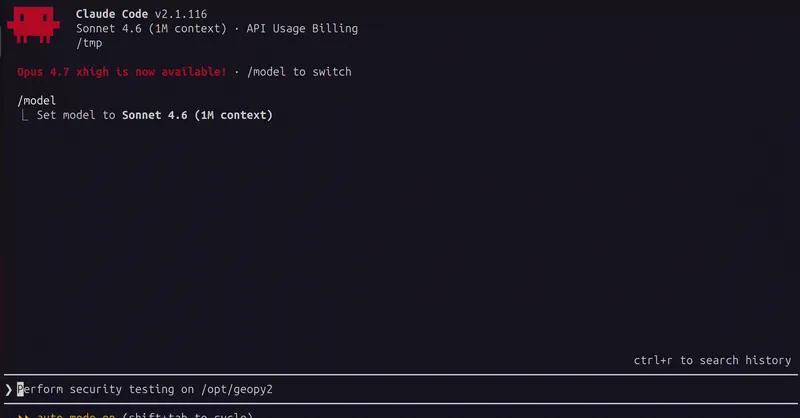
In an era where artificial intelligence (AI) is reshaping the landscape of cybersecurity, the emergence of AI agents designed to detect and neutralize malicious code presents both opportunities and challenges. These advanced systems have the potential to significantly enhance the security posture of organizations, yet they are not without their vulnerabilities. Recent findings suggest that even the most sophisticated AI agents can be tricked into executing harmful code, underscoring the critical need for robust security measures. This article delves into the implications of AI in cybersecurity, the threats posed by malicious code, and actionable steps organizations can take to fortify their defenses.
The Dual-Edged Sword of AI in Cybersecurity
AI has revolutionized various industries, and cybersecurity is no exception. Leveraging machine learning algorithms, AI systems can analyze vast amounts of data to identify patterns, anomalies, and potential threats in real time. However, with this power comes a significant risk: attackers are increasingly using similar technologies to craft sophisticated methods that can deceive even the most advanced security systems.
AI agents often rely on trained models that classify and respond to threats based on historical data. If an attacker can manipulate this data or the input that the AI processes, the system may incorrectly classify malicious code as benign. This manipulation can happen through various methods, such as adversarial attacks, where small changes to input data can lead AI models to make incorrect predictions.

Understanding the Threat Landscape
The rise of AI-driven attacks brings forth a new set of challenges. Cybercriminals are constantly evolving their tactics, making it essential for organizations to stay ahead of potential threats. Some of the key threats associated with AI manipulation include:
- Adversarial Attacks: These involve altering input data to deceive AI models, leading them to misclassify malicious files.
- Automated Phishing Attacks: AI tools can automate the creation of highly personalized phishing emails, increasing the likelihood of successful attacks.
- Malware Generation: Attackers can use AI to create malware that is more difficult to detect by traditional security measures.
Understanding these threats is crucial for organizations to develop effective defense strategies. As AI technologies evolve, so too must the methods used to combat them.

Five Steps to Secure Against Software Vulnerabilities
Given the evolving landscape of AI-driven threats, organizations must take proactive steps to secure their systems. Here are five essential measures to enhance cybersecurity and protect against software vulnerabilities:
1. Conduct Regular Security Audits
Regular security audits allow organizations to assess their systems for vulnerabilities. This includes reviewing configurations, software patches, and access controls to ensure that no weaknesses can be exploited by attackers.
2. Implement AI and Machine Learning Tools
While AI can be manipulated, it can also serve as a powerful tool for defense. Implementing AI-driven security solutions can help detect anomalies and respond to threats more effectively. These tools can analyze patterns in real time and adapt to new threats.
3. Train Employees on Cybersecurity Best Practices
Human error remains one of the biggest vulnerabilities in cybersecurity. Regularly training employees on best practices, recognizing phishing attempts, and the importance of strong passwords can significantly reduce the risk of successful attacks.
4. Employ Multi-Factor Authentication (MFA)
MFA adds an additional layer of security by requiring multiple forms of verification before granting access to sensitive systems. This makes it more difficult for attackers to gain unauthorized access, even if they have compromised a password.
5. Monitor and Update Threat Intelligence
Staying informed about the latest threats is essential. Regularly updating threat intelligence can help organizations adapt their defenses against evolving attack methods. Collaborating with cybersecurity firms and sharing intelligence within industries can provide insights into emerging threats.

Key Takeaways
- AI is a powerful tool in cybersecurity but can be exploited by attackers.
- Understanding the threat landscape is critical for effective defense strategies.
- Implementing robust security measures can significantly reduce vulnerabilities.
- Regular training and threat intelligence monitoring are essential for staying ahead of threats.
Frequently Asked Questions
How does AI enhance cybersecurity?
AI enhances cybersecurity by automating the detection and response to threats. Through machine learning algorithms, AI can analyze vast datasets to identify patterns that indicate potential security breaches, allowing organizations to respond more swiftly to emerging threats. However, as AI systems become more prevalent, attackers are also leveraging similar technologies to create sophisticated threats, necessitating continuous improvement in defensive strategies.
What are adversarial attacks in AI?
Adversarial attacks are a type of cyberattack where an attacker manipulates input data to deceive an AI model into making incorrect predictions. For example, by subtly altering the features of a malicious file, an attacker can trick an AI-based security system into classifying it as safe. This highlights the need for organizations to implement robust defenses that can withstand such manipulations.
Why is employee training critical in cybersecurity?
Employee training is critical in cybersecurity because human error is often the weakest link in security protocols. By educating staff on cybersecurity best practices, potential threats, and how to recognize suspicious activities, organizations can significantly mitigate the risk of successful attacks. Regular training ensures that all employees are aware of the latest tactics used by cybercriminals, empowering them to act as a first line of defense.
What role does threat intelligence play in cybersecurity?
Threat intelligence plays a crucial role in cybersecurity by providing organizations with insights into current and emerging threats. By monitoring threat landscapes and understanding the tactics used by attackers, organizations can adapt their security measures accordingly. Sharing threat intelligence within industries can also foster collaboration, allowing organizations to learn from each other’s experiences and enhance their overall security posture.
Comments
Block Settles $45 Million Fraud Claims Over Cash App Use
Block, the company behind Cash App, has agreed to a $45 million settlement with 46 states due to allegations of inadequate fraud protection measures. This settlement highlights the growing scrutiny of fintech applications and their responsibility in safeguarding users against fraudulent activities.

Related articles




Popular in Cybersecurity
- Federal Mandate for Autonomous Vehicles: A Call for Safety Compliance
- EU Mandates Google to Share Data and Open AI on Android: What It Means
- GitHub Revamps Bug Bounty Program: Implications for Developers and Security
- Australian Government Disables Thousands of Functional Broadband Routers: A Wasteful Decision
- Exploiting Redis: Understanding Zero-Day Vulnerabilities and Their Mitigation