How MCP Servers Can Compromise Enterprise Security: Real Stories and Solutions
MCP servers can be a double-edged sword in enterprise environments, potentially exposing sensitive data. This article explores real-world incidents of identity exposure and offers strategies for mitigating risks.
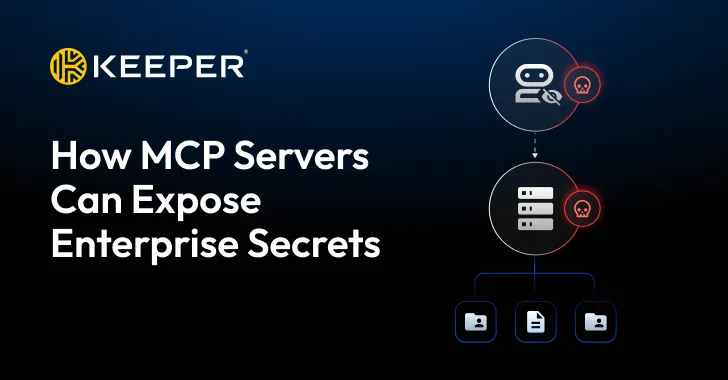
In the modern enterprise landscape, the deployment of Multi-Cloud Platforms (MCP) offers a wealth of benefits, including flexibility, scalability, and the ability to leverage best-of-breed services. However, as organizations increasingly adopt MCP strategies, they inadvertently expose themselves to new security vulnerabilities, particularly concerning identity management and access control. The interconnected nature of these platforms can create complex attack surfaces that, if not properly managed, can lead to significant breaches of sensitive data.
This article delves into the intricate world of identity exposure related to MCP servers, highlighting real stories of organizations that faced severe ramifications due to these vulnerabilities. By examining these incidents, we will uncover the underlying causes, the attack vectors exploited, and provide actionable insights on how enterprises can shore up their defenses against such threats.
The Hidden Dangers of Identity Exposure
Identity exposure occurs when sensitive user information, such as credentials and personal data, is compromised. In the context of MCP servers, this can happen when privileged accounts are mismanaged or when organizations fail to implement adequate access controls. Attackers can exploit these weaknesses to escalate privileges across systems, gaining unauthorized access to sensitive data and resources.
Real-World Incidents of Identity Exposure
Many organizations have faced dire consequences due to identity exposure. Here are several noteworthy incidents:
- Incident 1: A multinational corporation discovered that an attacker had exploited a misconfigured MCP server, giving them access to internal databases that contained sensitive customer information.
- Incident 2: A healthcare provider reported a breach where an attacker used stolen credentials from an unsecured MCP environment to gain access to patient records.
- Incident 3: A financial services firm fell victim to a phishing attack that targeted employees, allowing the attacker to hijack privileged accounts and access critical financial data.
Understanding Cross-Domain Privilege Escalation
Cross-domain privilege escalation refers to the ability of an attacker to gain higher-level access across different domains or systems within an organization. This can occur when there is a lack of segregation of duties or when access rights are improperly configured.
How Attackers Exploit Privilege Escalation
Attackers often employ various techniques to exploit privilege escalation vulnerabilities:
- Phishing: Crafting deceptive emails to trick users into revealing their credentials.
- Social Engineering: Manipulating individuals into divulging sensitive information through psychological tactics.
- Exploiting Misconfigurations: Taking advantage of default settings or inadequate access controls to gain unauthorized access.

Mitigating Risks: Best Practices for Enterprises
To safeguard against identity exposure and cross-domain privilege escalation, organizations must adopt a proactive security approach. Here are several best practices:
- Implement Strong Authentication: Use multi-factor authentication (MFA) to add an additional layer of security for privileged accounts.
- Regularly Audit Access Controls: Conduct frequent audits of user access rights and ensure that employees have only the permissions necessary for their roles.
- Educate Employees: Train staff on recognizing phishing attempts and the importance of cybersecurity hygiene.
- Utilize Security Tools: Deploy identity and access management (IAM) solutions to monitor and manage user permissions effectively.

Key Takeaways
- MCP servers can create vulnerabilities that lead to identity exposure.
- Real-world incidents demonstrate the severe consequences of inadequate security practices.
- Cross-domain privilege escalation can be mitigated through strong authentication and regular audits.
- Employee education is crucial in recognizing and preventing phishing attacks.
Frequently Asked Questions
What are MCP servers and why are they used?
MCP servers, or Multi-Cloud Platforms, enable organizations to leverage services from multiple cloud providers, offering flexibility and scalability. They are used to improve operational efficiency and reduce dependency on a single vendor. However, their interconnected nature can also lead to security vulnerabilities if not managed properly.
How can identity exposure occur in an MCP environment?
Identity exposure in an MCP environment can occur through various means, such as misconfigured access controls, poor credential management, and social engineering attacks. When privileged accounts are not adequately protected, attackers can exploit these weaknesses to escalate their access and compromise sensitive data.
What steps can organizations take to prevent cross-domain privilege escalation?
To prevent cross-domain privilege escalation, organizations should implement strong authentication measures, conduct regular audits of user access rights, and provide comprehensive cybersecurity training to employees. Using IAM solutions can also help manage user permissions and monitor for suspicious activities.
Why is employee education important in cybersecurity?
Employee education is crucial in cybersecurity because human error is often the weakest link in security protocols. Training employees to recognize phishing attempts and understand the importance of secure practices can significantly reduce the likelihood of successful attacks, protecting the organization from potential breaches.
Comments
Exploiting VoLTE: Understanding the Unisoc Vulnerability and Its Implications
The recent Unisoc VoLTE exploit reveals critical vulnerabilities in Android devices that could allow attackers unprecedented access. This article dissects the exploit chain, its implications for users, and how to safeguard against such threats.

Related articles




Popular in Cybersecurity
- Federal Mandate for Autonomous Vehicles: A Call for Safety Compliance
- EU Mandates Google to Share Data and Open AI on Android: What It Means
- GitHub Revamps Bug Bounty Program: Implications for Developers and Security
- Australian Government Disables Thousands of Functional Broadband Routers: A Wasteful Decision
- Exploiting Redis: Understanding Zero-Day Vulnerabilities and Their Mitigation