Ukraine Strikes Russian Rocket Factory: A Turning Point in the Conflict
In a significant escalation of the ongoing conflict, Ukraine has successfully targeted the Progress Rocket Space Center in Russia, a key facility in the country's space and military operations. This strike highlights the strategic interplay between military and civilian sectors of Russia's aerospace industry.
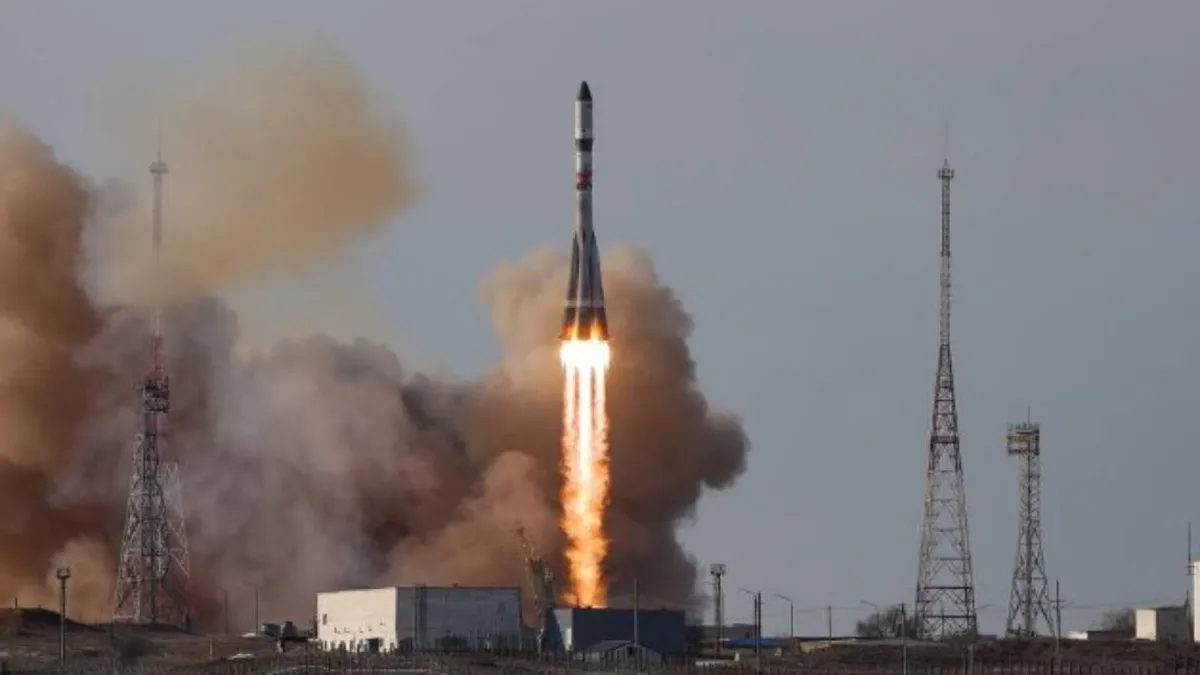
In a bold move that underscores the intensifying conflict between Ukraine and Russia, Ukrainian President Volodymyr Zelenskyy confirmed on Saturday that Ukraine launched a targeted strike against the Progress Rocket Space Center, a significant hub for Russian aerospace and military production. The strike, executed using the Ukrainian-developed FP-5 "Flamingo" cruise missiles, not only demonstrates Ukraine's advancing military capabilities but also poses serious implications for Russia's space and defense industries.
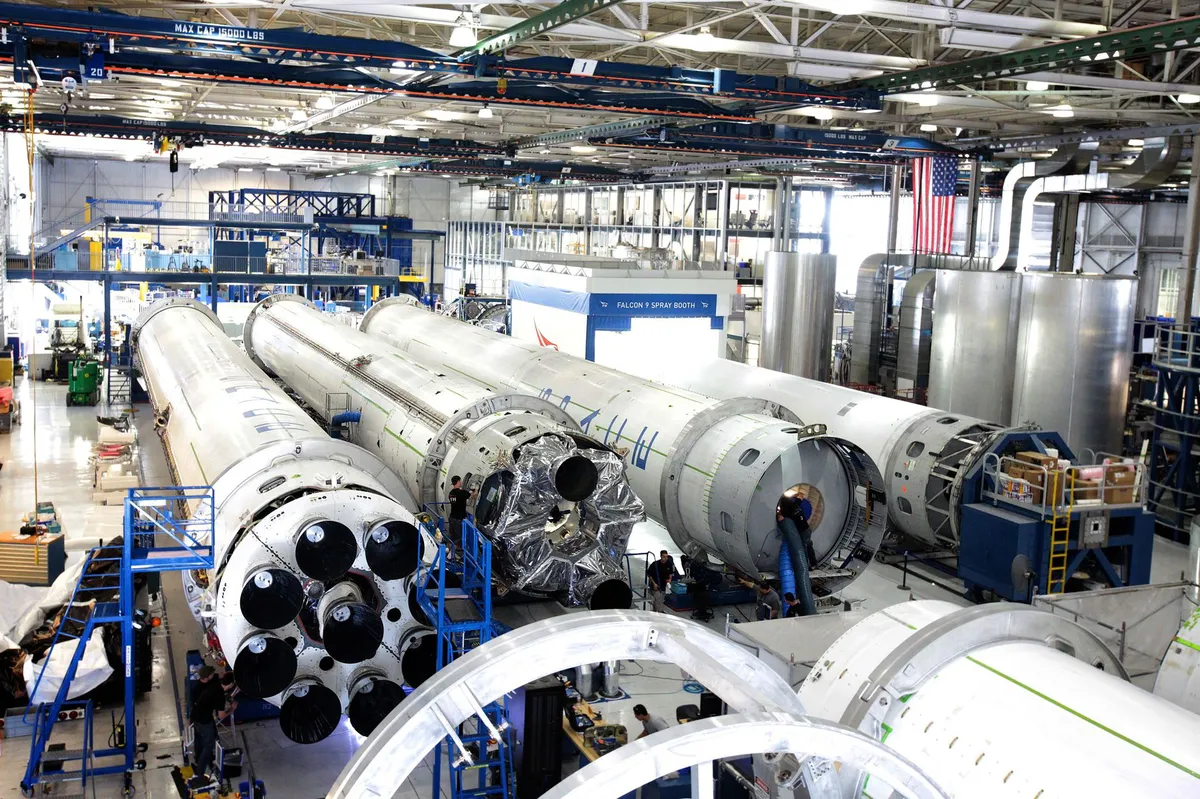
The Progress Rocket Space Center, located in the Samara region of Russia, is crucial to the country's space endeavors. It is responsible for assembling the Soyuz-2 rocket, which has long been the backbone of Russian space missions, including crewed flights to the International Space Station (ISS). Zelenskyy’s announcement on the social media platform X emphasized the operational significance of this strike, noting it was a "good achievement" for Ukraine.
Understanding the Strategic Importance of the Progress Rocket Space Center
The Progress Rocket Space Center plays a vital role in Russia's aerospace sector, contributing to both civilian and military initiatives. This facility is not only responsible for the production of the Soyuz-2 rocket but is also involved in the assembly of military satellites. The Soyuz-2 has a payload capacity of approximately 8 metric tons to low-Earth orbit, making it a versatile vehicle for launching various payloads, from scientific instruments to military assets.
Located about 900 km from the Ukrainian border, the center's geographic position within Russia also highlights the complexities of modern warfare, where military targets are often intertwined with civilian infrastructure. This dual-use nature of many aerospace facilities blurs the lines between military and civilian operations, making them contentious targets in ongoing conflicts.
The Role of the Flamingo Missile in Ukraine’s Arsenal
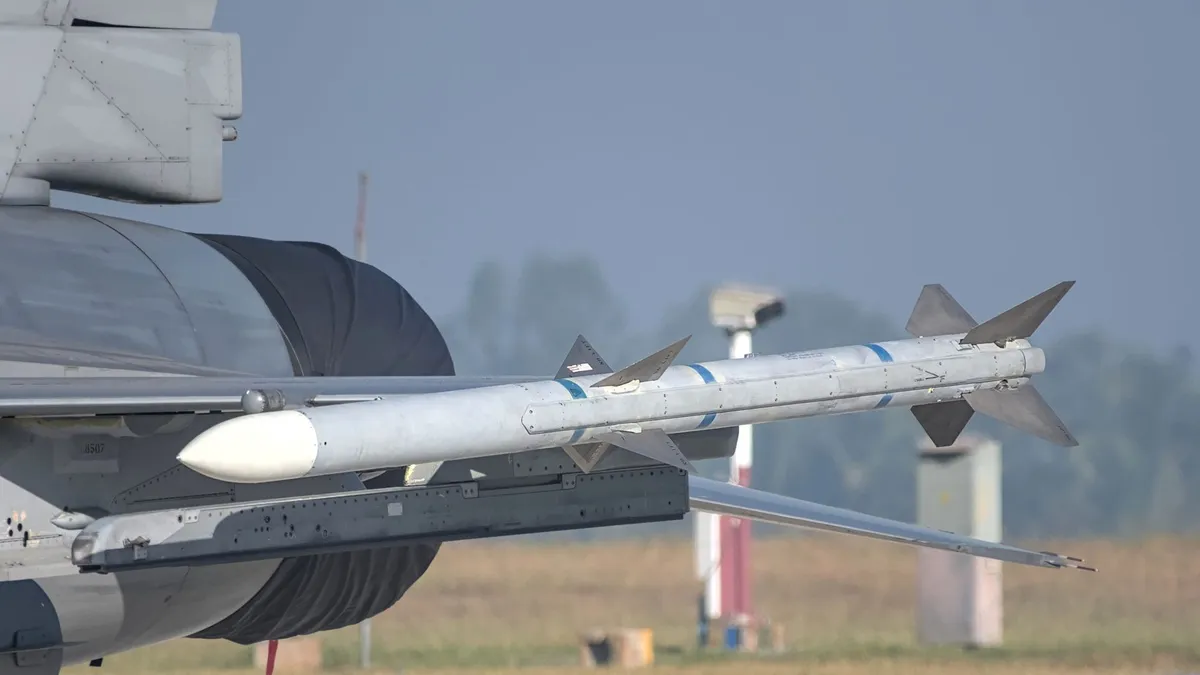
The missiles used in the attack, known as the FP-5 "Flamingo," mark a significant advancement in Ukraine’s military capabilities. Developed by the Fire Point defense group, these cruise missiles have a range of several thousand kilometers, allowing Ukraine to strike high-value targets deep within Russian territory. The Flamingo missiles have previously been employed to target critical energy infrastructure and military production facilities, demonstrating their effectiveness in disrupting Russia's logistical and operational capabilities.
While the specifics of the damage at the Progress facility remain unclear, reports suggest that a building housing avionics—crucial for both civilian and military spacecraft—was struck. If confirmed, this could severely impact the production of Soyuz rockets at a time when Russia is struggling to meet the growing demand for these launch vehicles.
Implications for Russian Space Operations
The strike on the Progress Rocket Space Center raises significant concerns about the future of Russia's space program. Since 2020, over 120 Russian rocket launches have occurred, with more than 85 percent utilizing the Soyuz-2 family. This rocket has become essential not only for civil space missions but also for military operations. The aging Proton booster and the slow rollout of the newer Angara rockets have left the Soyuz-2 as the primary workhorse for the Russian space industry.
Prior to the attack, Russian officials noted that demand for Soyuz rockets was exceeding production capacity. Reports indicated that demand could be as much as 30 to 50 percent higher than what could be produced between 2027 and 2030. Any disruption to the production capabilities at the Progress center could exacerbate this situation, leading to delays in both crewed and uncrewed space missions.
The Broader Context of the Ukraine-Russia Conflict
This strike is not an isolated incident but rather a part of the broader, ongoing conflict between Ukraine and Russia, which has seen an increasing intertwining of military actions and aerospace operations. The use of advanced missile technology by Ukraine reflects an adaptive military strategy aimed at undermining Russia’s operational capabilities. As the conflict escalates, both sides are likely to continue leveraging aerospace technology not only for space exploration but also for strategic military advantages.
The international community is closely monitoring these developments, as they could reshape geopolitical dynamics in the region. The ability of Ukraine to strike deep within Russian territory demonstrates a significant shift in the balance of power, and it could embolden other nations to reconsider their military strategies and alliances.

Key Takeaways
- Ukraine successfully struck the Progress Rocket Space Center, a key facility for Russian rocket production.
- The attack utilized FP-5 "Flamingo" cruise missiles, showcasing Ukraine's enhanced military capabilities.
- The Soyuz-2 rocket is critical for both civil and military missions, and any damage to its production could have long-term implications for Russian space operations.
- The conflict highlights the dual-use nature of aerospace facilities, complicating military targeting decisions.
- As demand for Soyuz rockets outstrips production, this strike could exacerbate existing vulnerabilities in Russia's aerospace capabilities.
Frequently Asked Questions
What is the significance of the Progress Rocket Space Center?
The Progress Rocket Space Center is one of Russia's most important aerospace facilities, responsible for assembling the Soyuz-2 rocket, which is essential for both civil and military space missions. Its capabilities impact Russia's ability to conduct crewed space flights and military satellite launches, making it a strategic target in the ongoing conflict.
What are FP-5 Flamingo missiles and how do they work?
FP-5 Flamingo missiles are advanced cruise missiles developed by the Ukrainian defense group Fire Point. They have a range of several thousand kilometers and are designed to strike high-value targets deep within enemy territory. Their effectiveness has been demonstrated in previous attacks on critical infrastructure, making them a significant asset in Ukraine's military strategy.
How could this strike affect future Russian space missions?
The strike on the Progress Rocket Space Center could severely disrupt Russia's production of Soyuz rockets, which are crucial for upcoming space missions. Given that demand for these rockets is already exceeding production capacity, any damage to the facility could result in delays and cancellations of planned launches, impacting Russia's presence in space.
What are the broader implications of this military action?
This military action underscores the changing dynamics in the Ukraine-Russia conflict, where aerospace technology plays a critical role. The ability of Ukraine to strike deep within Russian territory may shift the balance of power and influence international military strategies. The ongoing conflict highlights the integration of military and civilian technologies, raising questions about the future of warfare and geopolitics in the region.
Comments
Exploiting VoLTE: Understanding the Unisoc Vulnerability and Its Implications
The recent Unisoc VoLTE exploit reveals critical vulnerabilities in Android devices that could allow attackers unprecedented access. This article dissects the exploit chain, its implications for users, and how to safeguard against such threats.

Related articles





Popular in Cybersecurity
- Federal Mandate for Autonomous Vehicles: A Call for Safety Compliance
- EU Mandates Google to Share Data and Open AI on Android: What It Means
- GitHub Revamps Bug Bounty Program: Implications for Developers and Security
- Australian Government Disables Thousands of Functional Broadband Routers: A Wasteful Decision
- Exploiting Redis: Understanding Zero-Day Vulnerabilities and Their Mitigation