Recycling Electric Vehicles: China's Key to Sustainable EV Manufacturing
As the electric vehicle market surges, China's potential to supply this growth through recycled materials offers a promising sustainability strategy. This article explores the implications of recycling in the EV manufacturing ecosystem.

As the global demand for electric vehicles (EVs) continues to rise, so too does the urgency to find sustainable solutions for sourcing the materials needed for their production. With traditional mining operations posing environmental concerns and facing increasing regulatory scrutiny, recycling old EVs emerges as a viable solution. A recent study led by Xin Xiong from Nanjing University highlights how China could become a leader in this field by effectively recycling components from decommissioned electric vehicles, thereby providing a critical supply of materials for future manufacturing.
The mathematical logic behind recycling is clear: as resources become finite and non-renewable, utilizing what we already have makes economic sense. However, the challenge lies in competing with virgin materials, particularly in fast-evolving sectors like electric vehicles. By the time a car reaches its end-of-life, the industry may have shifted to different battery chemistries, thereby reducing the potential value of recycling. Nevertheless, Xiong's study demonstrates that China could shift this paradigm significantly, potentially making recycled materials the dominant source for EV manufacturing over the next few decades.
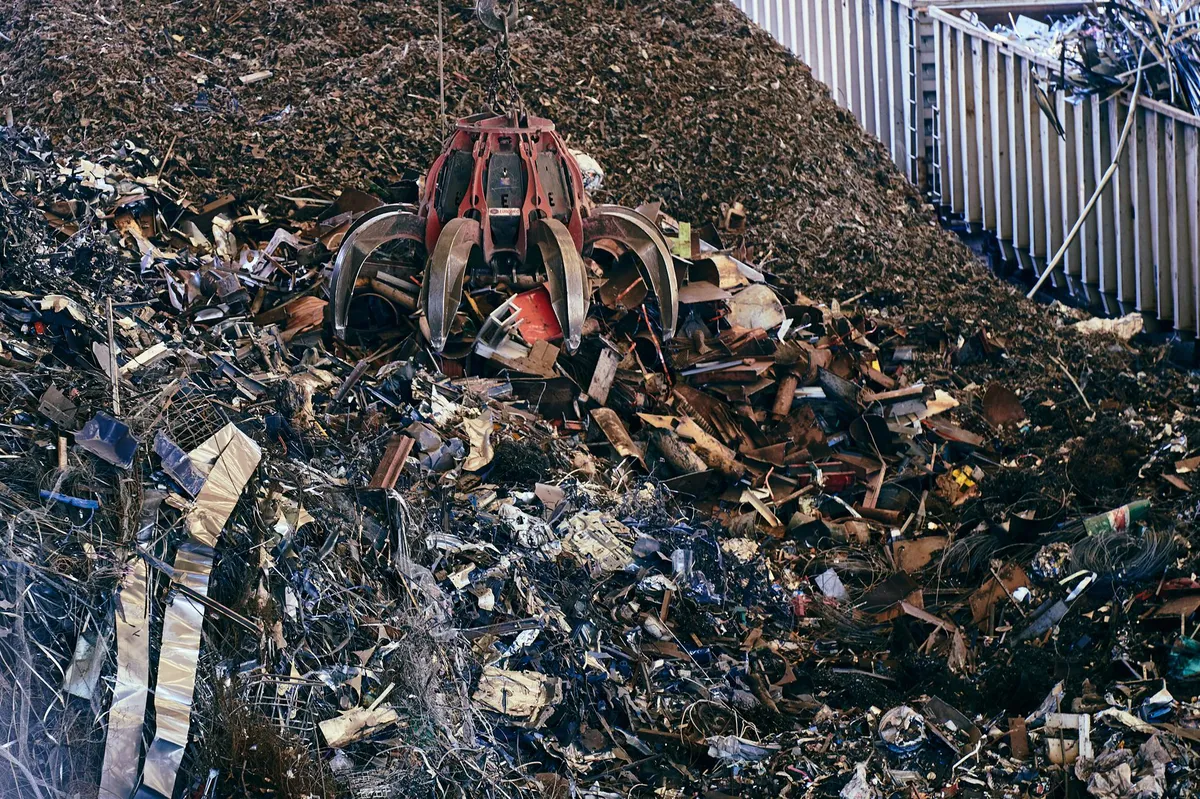
Understanding the Supply-Demand Dynamics
The research conducted by Xiong and his team involved modeling the supply of recycled materials against the manufacturing demand in China from 2010 to 2050. They focused on crucial materials relevant to battery technologies—such as lithium, cobalt, and nickel—as well as essential components used in electric motors including copper and neodymium.
Modeling Scenarios
The study considered four different technological progression scenarios that could impact the recycling potential of these materials:
- Slow technological change: Gradual adjustments in battery composition and recycling technologies.
- Faster technological change: Rapid shifts to advanced materials and processes.
- Complete transition: A full pivot to new battery chemistries that render older tech obsolete.
- Progressive evolution: A decade-by-decade transition incorporating aspects from the first three scenarios.
The model quantified the “circularity potential” of each material, illustrating how much of the manufacturing demand could be satisfied by recycled sources. Remarkably, the findings indicated a positive trend: as the EV market grows, so too will the number of vehicles reaching the end of their lifecycle, thus increasing the available materials for recycling.

Challenges in Recycling and Technological Transition
However, the journey toward a robust recycling ecosystem is fraught with challenges. One of the significant hurdles identified in the study is the changing demand landscape for key materials. For instance, as the industry moves towards low-cobalt battery technologies, the demand for recycled cobalt may decline, potentially leading to an oversupply. In contrast, materials like nickel and manganese, vital for battery performance, could see increased demand, complicating the recycling dynamics.
Regulatory Measures and Their Importance
The Chinese government has implemented policies aimed at bolstering recycling efforts, including the introduction of “battery passports.” These passports are designed to track each battery's chemical composition and lifecycle, ensuring that scrapped batteries are directed to licensed recycling facilities. However, as it stands, there are no mandates requiring a minimum percentage of recycled materials in new battery production, which could hinder progress in the recycling sector.
This regulatory gap highlights the need for a more integrated approach to recycling that not only focuses on collection but also on establishing a robust recycling supply chain capable of meeting the industry's growing demands. Without it, bottlenecks could emerge as the recycling ecosystem attempts to scale up to accommodate the increasing number of electric vehicles.
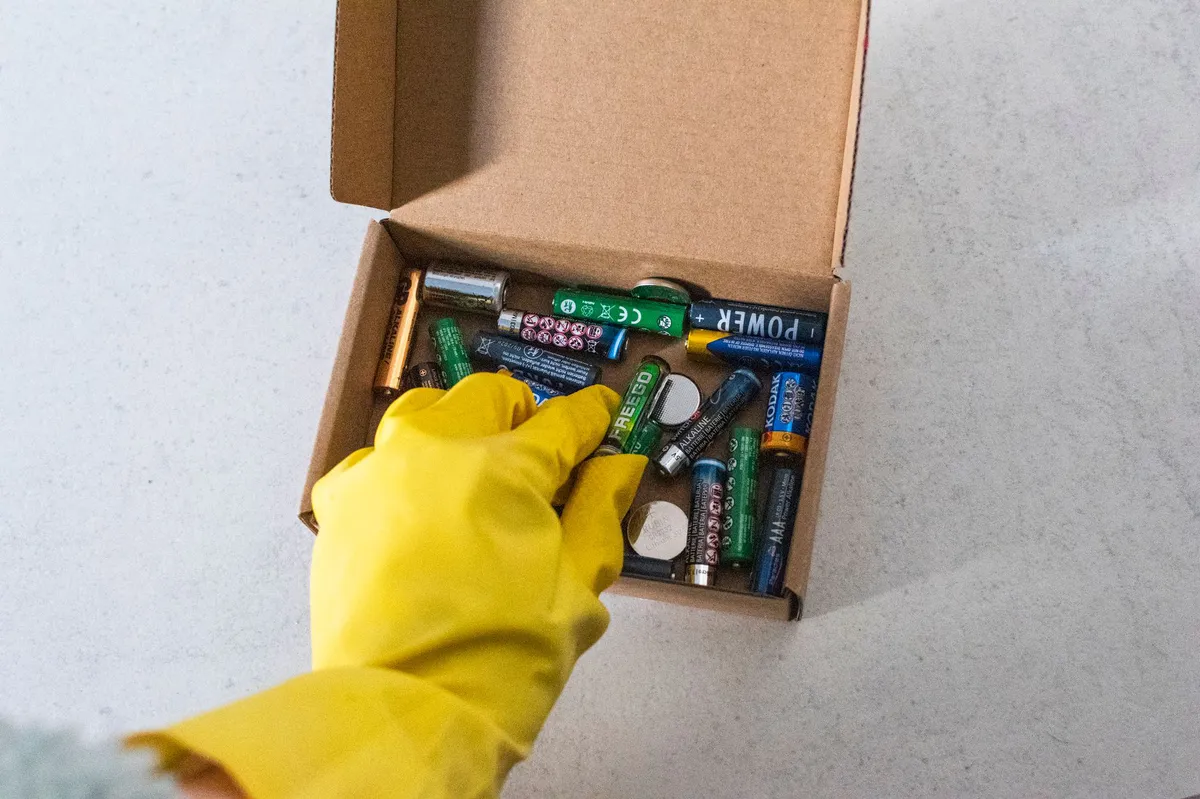
The Economic Perspective: What Recycling Means for EV Costs
The economic implications of transitioning to a recycling-focused model are significant. Currently, the cost of virgin materials can fluctuate dramatically based on market conditions, while recycled materials often provide a more stable cost base. For instance, the price of lithium has soared in recent years, with market prices hitting around $70,000 per ton at its peak, driven by soaring demand from the EV sector. In contrast, recycling could mitigate some of these price fluctuations and offer manufacturers a more predictable supply chain.
Moreover, as the technology for recycling improves, the cost of processing recycled materials is expected to decrease, making it a more attractive option for manufacturers. For example, if the cost of recycling could drop from $5,000 to $3,000 per ton for certain materials, this would significantly influence the cost structure for EV manufacturers.
Key Takeaways
- China has the potential to become a leader in recycling EV components, which could significantly reduce reliance on mining.
- Effective recycling could meet a substantial portion of the materials demand for EV manufacturing by 2050.
- Government regulations, including battery passports, are vital for improving recycling processes and accountability.
- Shifts in material demand and battery technologies pose challenges but also opportunities for the recycling ecosystem.
- Economic stability in raw material costs could improve as recycling processes become more efficient and prevalent.
Frequently Asked Questions
What are the main materials involved in EV recycling?
The primary materials involved in EV recycling include lithium, cobalt, nickel, manganese, copper, and various rare-earth elements such as neodymium and dysprosium. These materials are essential for the production of batteries and electric motors, and recycling them can significantly reduce the need for new mining operations.
How does recycling impact the environment compared to mining new materials?
Recycling generally has a lower environmental footprint compared to mining new materials, which can involve extensive land disruption, water usage, and greenhouse gas emissions. By recycling EV components, manufacturers can conserve resources and reduce pollution, contributing to a more sustainable manufacturing process.
What role does technology play in the future of EV recycling?
Advancements in recycling technologies are crucial for improving the efficiency and effectiveness of material recovery from old EVs. Innovations such as automated sorting systems and improved chemical processes can enhance the yield of recycled materials, making recycling a more viable alternative to traditional mining methods.
Comments
Google Earth’s AI Tool: A Cautionary Tale in Misinformation
Google's brief foray into AI-modified satellite imagery raised serious concerns about misinformation. As the tech giant retracts the feature, we explore the implications for trust in digital tools.

Related articles
Popular in Cloud Computing
- SK Hynix's Historic $26.5 Billion IPO: A New Era for Memory Chips
- Kubernetes and the Future of Desktop Infrastructure: A Paradigm Shift
- Amazon Expands Partnership with Nvidia, Tripling GPU Orders Amid AI Demand Surge
- Elon Musk's Evolving Relationship with Anthropic: A New Era for AI Hosting
- Emerging Rocket Launches: A New Era for Space Exploration