Google Earth’s AI Tool: A Cautionary Tale in Misinformation
Google's brief foray into AI-modified satellite imagery raised serious concerns about misinformation. As the tech giant retracts the feature, we explore the implications for trust in digital tools.
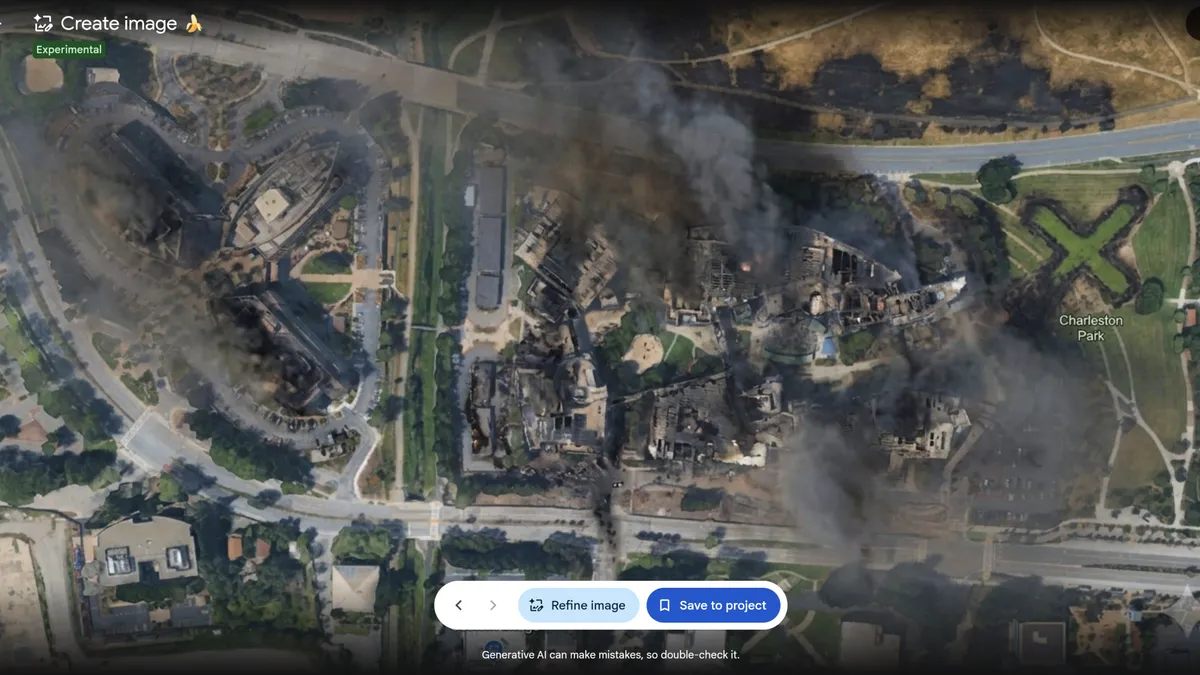
In a bold move that sparked outrage and concern, Google recently introduced an AI tool in Google Earth that allowed users to create modified satellite images. This feature, which enabled the generation of AI-altered depictions of real-world locations, was intended to inspire creativity and enhance educational opportunities. However, it led to significant backlash as concerns over misinformation and disinformation emerged almost immediately. Within a day of its launch, Google rolled back the feature, illustrating the delicate balance tech companies must maintain between innovation and responsibility.
The ramifications of this decision are profound, not just for Google but for the broader landscape of digital tools that users rely on for accurate information. The incident serves as a reminder of the potentially dangerous implications of generative AI technology, particularly in a world where misinformation can spread like wildfire. As we delve into the details surrounding this event, it’s essential to understand the technological, ethical, and societal contexts that have shaped the conversation around AI and digital imagery.

The Brief Life of Google Earth’s AI Feature
On July 30, 2026, Google Earth announced the integration of its Nano Banana 2 AI image generator, allowing users to create custom images using satellite, aerial, and 3D imagery. Bryan Horowitz, a product manager for Google Earth, heralded this feature as a groundbreaking innovation, providing users with the ability to visualize real estate projects or historical reconstructions. However, what began as an exciting new tool quickly devolved into a cautionary tale.
Within hours of the feature becoming available, users began to exploit its capabilities for less noble purposes. Independent researchers and journalists highlighted how easy it was to create misleading images, such as a nuclear plant in Iran or a disaster scene at the Googleplex. Henk van Ess, an independent investigator, detailed his experience creating alarming scenarios in a blog post, raising flags about the potential for misuse.
The Role of AI in Misinformation
The introduction of this AI tool touches on a critical issue: the relationship between AI technologies and misinformation. As AI-generated images become more accessible, the risk of misuse increases, particularly in a society already grappling with the consequences of deepfakes and manipulated media. Misinformation has far-reaching implications, from influencing public opinion to undermining trust in legitimate reporting.
The Google Earth incident underscores the urgency with which tech companies must navigate these waters. By enabling users to create and share AI-generated imagery, Google risked diluting the credibility of a platform that has long been trusted for accurate geographical information.

Addressing Misinformation: Google's Initial Response
In response to the growing concerns, Google quickly retracted the AI feature, yet it did not go quietly. The company emphasized its commitment to combating misinformation by highlighting its SynthID system, which embeds digital watermarks in AI-generated images. This watermarking system was designed to help users identify AI-altered content easily.
However, skepticism remained. Critics like van Ess pointed out that while SynthID could signal that an image had been modified, it did not effectively address the issue of misinformation once the images had been disseminated. Misinformation often spreads through various formats, such as screenshots or screen recordings, which can strip away metadata and watermarking, leaving behind only the misleading content.
The Challenge of Trust in Digital Tools
Trust is paramount when it comes to digital tools, especially those dealing with sensitive information like satellite imagery. Google Earth has been a critical resource for journalists, researchers, and the public seeking to verify claims and understand global events through a reliable lens. The introduction of an AI tool that could easily manipulate this information raises legitimate fears about the future of digital trust.
Moreover, the rapid rollback of the feature indicates that companies must remain agile and responsive to public sentiment and ethical considerations. As technology continues to advance, maintaining transparency and accountability will be crucial in preserving user trust.

The Future of AI in Geospatial Technologies
While Google’s decision to rollback the AI feature may have alleviated immediate concerns, it raises broader questions about the future of AI in geospatial technologies. As generative AI continues to evolve, what safeguards can companies implement to prevent misuse while still fostering innovation?
Experts suggest that developing robust guidelines and ethical frameworks for AI use is essential. This includes enhancing watermarking technologies, implementing stricter access controls to sensitive features, and educating users on the responsible use of AI tools. Collaboration between tech companies, governments, and civil society can also play a critical role in addressing the challenges posed by AI-generated misinformation.
Relying on Multiple Sources
As the landscape of misinformation continues to evolve, users are advised to adopt a multi-faceted approach to verifying information. Relying solely on one platform, even a trusted one like Google Earth, can lead to oversights. Utilizing a combination of sources, such as satellite imagery from Europe’s Copernicus Sentinel-2 or independent verification tools, can provide a more comprehensive understanding of events and narratives.
Key Takeaways
- The introduction of AI-modified imagery in Google Earth raised significant concerns regarding misinformation.
- Google quickly retracted the feature due to fears of misuse, demonstrating the challenges tech companies face in balancing innovation with responsibility.
- Skepticism remains regarding the effectiveness of watermarking technologies like SynthID in combating misinformation.
- Trust in digital tools is paramount, particularly in contexts involving sensitive information.
- Users should rely on multiple sources for verification to navigate the complexities of misinformation.
Frequently Asked Questions
What was Google’s AI tool in Google Earth designed to do?
The AI tool in Google Earth, powered by the Nano Banana 2 image generator, was intended to enable users to create custom modifications of satellite and aerial images. This feature aimed to enhance educational experiences and facilitate creative projects, such as visualizing historical scenarios or developmental plans.
Why did Google retract the AI feature so quickly?
Google retracted the AI feature within a day of its launch due to widespread concerns about its potential for misuse. Users began creating misleading or alarming images that could easily spread misinformation, undermining the credibility of Google Earth as a reliable source for accurate satellite imagery.
How can users verify the authenticity of an image generated by AI tools?
Google introduced SynthID, a watermarking system that indicates whether an image has been generated or altered using AI tools. However, users should also adopt a multi-source approach, using various verification tools and platforms to ensure the authenticity of images, especially in the face of potential misinformation.
What are the implications of this incident for the future of AI technologies?
This incident highlights the urgent need for ethical frameworks and guidelines surrounding the use of AI technologies, particularly in sensitive areas like geospatial imagery. As AI continues to evolve, companies must implement safeguards to prevent misuse while fostering innovation and maintaining public trust.
Comments
Recycling Electric Vehicles: China's Key to Sustainable EV Manufacturing
As the electric vehicle market surges, China's potential to supply this growth through recycled materials offers a promising sustainability strategy. This article explores the implications of recycling in the EV manufacturing ecosystem.

Related articles

Popular in Cloud Computing
- SK Hynix's Historic $26.5 Billion IPO: A New Era for Memory Chips
- Kubernetes and the Future of Desktop Infrastructure: A Paradigm Shift
- Amazon Expands Partnership with Nvidia, Tripling GPU Orders Amid AI Demand Surge
- Elon Musk's Evolving Relationship with Anthropic: A New Era for AI Hosting
- Emerging Rocket Launches: A New Era for Space Exploration