SpaceX's Turbine Transition: A Year of Controversy and Change
SpaceX's xAI data centers are under scrutiny for using unpermitted gas turbines. With plans for a new power plant underway, the implications for energy policy and environmental impact are significant.
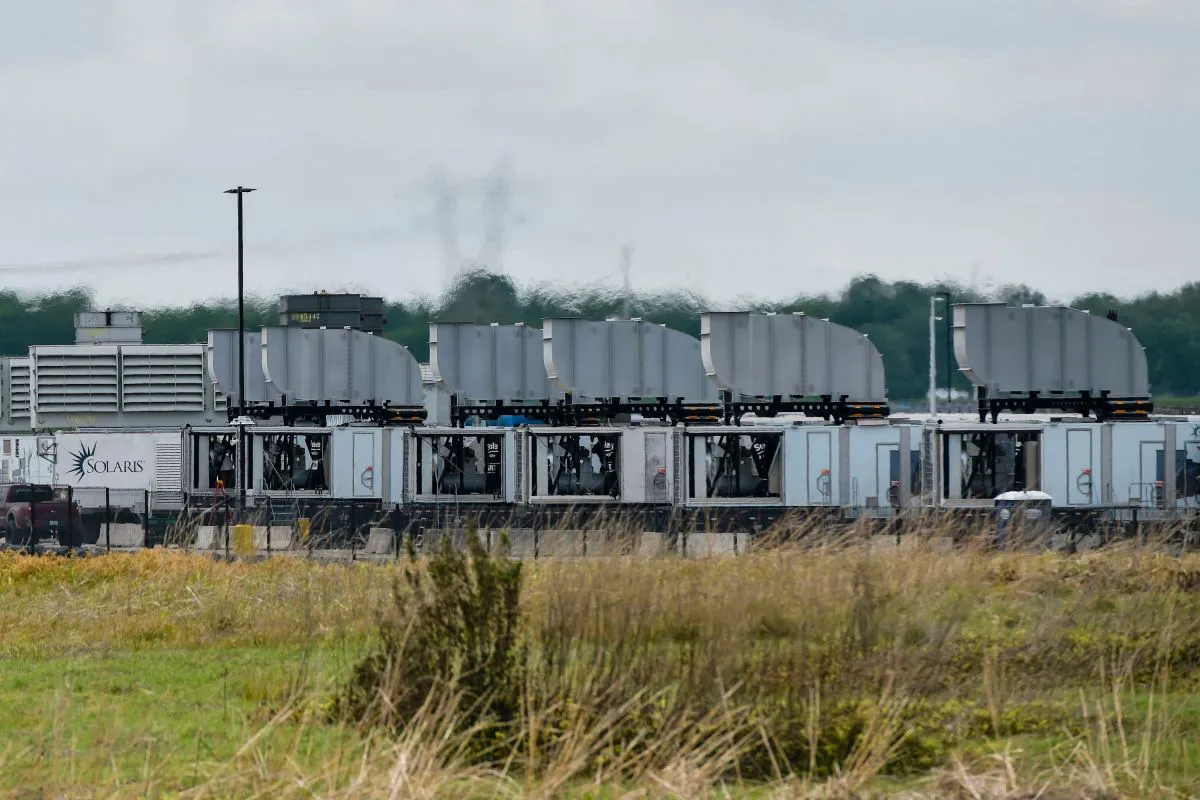
In a significant yet controversial move, SpaceX has announced it will not fully remove the unpermitted gas turbines powering its xAI data centers near Memphis until July 2027. This decision has sparked intense scrutiny from environmental groups and regulatory bodies, especially given the backdrop of the energy crisis and increasing focus on sustainable practices in the tech industry. As the world shifts towards greener energy solutions, the implications of SpaceX's actions extend far beyond its operational timeline.
The xAI data centers, acquired by SpaceX earlier this year, currently operate 69 gas turbines that have been functioning without the necessary permits, raising questions about regulatory compliance and environmental responsibility. As SpaceX gears up for a transition to a permanent 1.2 gigawatt natural gas power plant, the stakes are high not just for the company but also for the communities surrounding its operations.
Understanding the Controversy Over Unpermitted Turbines
The crux of the issue lies in the use of unpermitted turbines, which have drawn the ire of organizations such as the NAACP and the Southern Environmental Law Center. These groups have filed lawsuits against xAI, citing concerns that the turbines are contributing to air pollution in a region already struggling with poor air quality.
Regulatory Nuances
SpaceX claims that the turbines can operate without permits because they remain mounted on trailers, a legal interpretation that has raised eyebrows among environmental advocates. However, federal regulations stipulate that the size and operational capacity of these turbines necessitate permits, regardless of their transport status. This legal gray area places SpaceX in a precarious position, balancing compliance with operational demands.
- Operating without permits: SpaceX's turbines may emit over 2,000 tons of smog-forming NOx annually.
- Legal actions: The NAACP and Southern Environmental Law Center have initiated lawsuits against xAI.
- Federal support: The Department of Justice has sided with SpaceX, citing national energy security interests.

The Shift to a Permanent Power Plant
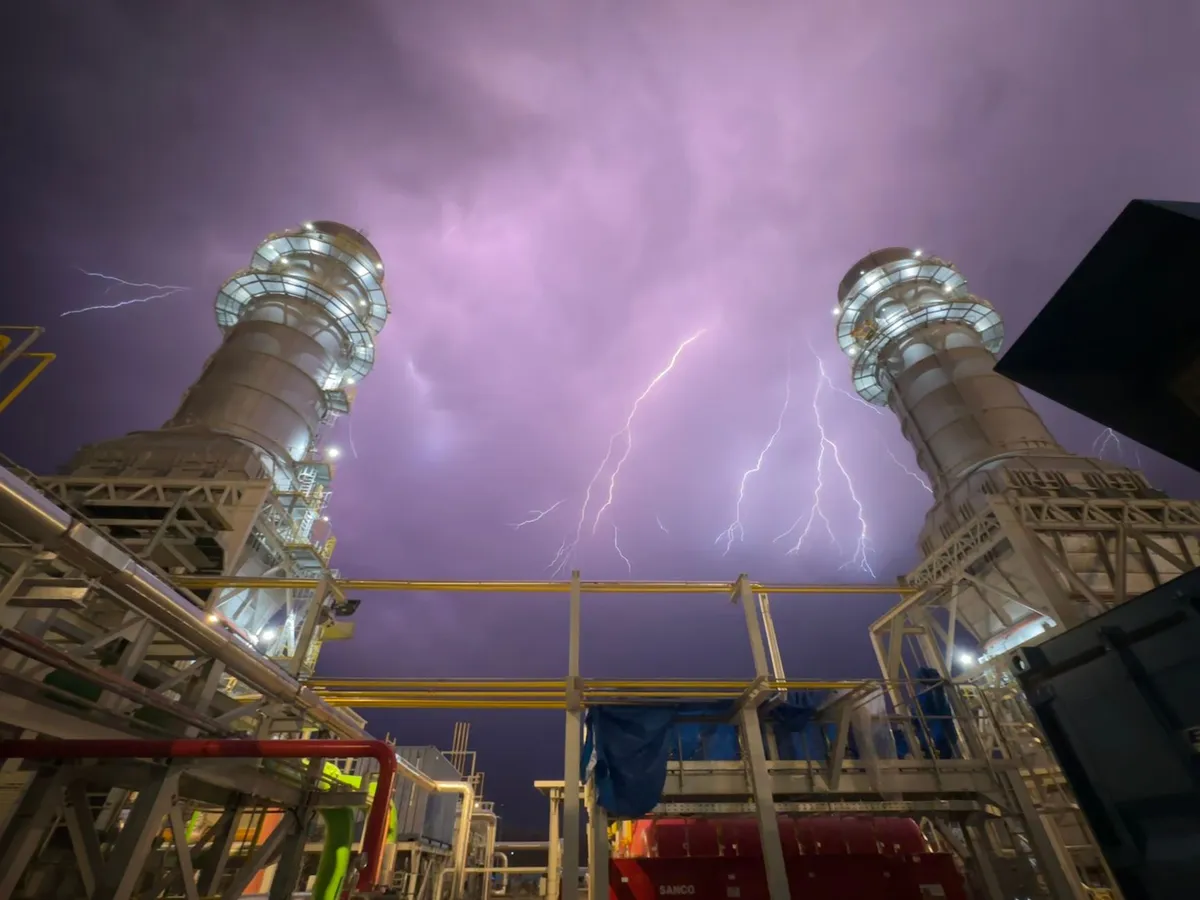
While SpaceX's current turbines are a point of contention, the company is actively pursuing the construction of a new natural gas power plant that has been permitted by the state of Mississippi. This facility will consist of 41 new gas turbines, ranging from 16.48 to 50 megawatts, and is expected to replace the current fleet. The new plant represents a significant investment in infrastructure, with SpaceX planning to spend $2.8 billion on gas turbines over the next three years.
Financial Implications
The financial commitment to this new power plant indicates SpaceX's long-term strategy in the energy landscape. The acquisition of APR Energy, a firm specializing in temporary natural gas solutions, also hints at an aggressive expansion into energy provision. The strategic implications of these moves may position SpaceX not just as a leader in space technology but also as a formidable player in the energy sector.
The Broader Impact on Energy Policy
The ongoing situation surrounding SpaceX and its xAI data centers highlights critical issues in energy policy and environmental regulations. As the U.S. grapples with climate change and seeks to transition to renewable energy sources, the actions of major companies like SpaceX can set precedents for how energy projects are regulated and perceived.
Community and Environmental Concerns
The Memphis region, specifically, is one of the most polluted areas in the United States, making the use of gas turbines a particularly contentious issue. Residents and environmentalists worry that continued reliance on fossil fuels will exacerbate health problems and contribute to environmental degradation. The outcome of the legal battles and regulatory scrutiny surrounding SpaceX's operations could shape community responses to future energy projects.
Key Takeaways
- SpaceX plans to transition to a new 1.2 gigawatt natural gas power plant by July 2027.
- The company currently operates 69 unpermitted gas turbines, raising environmental and legal concerns.
- The Department of Justice supports SpaceX's stance, citing national energy security.
- SpaceX's financial commitment to energy projects suggests a strategic pivot towards the energy sector.

Frequently Asked Questions
What are the environmental implications of SpaceX's gas turbines?
The environmental implications are significant, as the unpermitted gas turbines have the potential to emit over 2,000 tons of NOx annually, contributing to air pollution in an already compromised area. This has raised alarm among local residents and environmental organizations, who argue that such emissions can lead to serious public health issues.
Why is SpaceX operating unpermitted turbines?
SpaceX argues that the turbines do not require permits because they remain on trailers, a legal loophole they believe allows them to bypass regulations. However, this interpretation is contentious, as federal guidelines clearly state that the size and function of the turbines necessitate permits. The ongoing lawsuits will determine the validity of SpaceX's claims.
What does the transition to a new power plant entail?
The transition involves constructing a new 1.2 gigawatt natural gas power plant that will replace the existing fleet of turbines. This facility is expected to consist of more efficient and regulated gas turbines, addressing some of the compliance issues currently facing SpaceX. The project represents a significant investment in energy infrastructure and is part of a broader strategy to stabilize SpaceX's energy needs.
How will this situation affect local communities?
The situation has already sparked significant concern among local communities regarding air quality and health impacts. The outcome of the lawsuits and regulatory decisions could either alleviate or exacerbate these concerns. If SpaceX successfully transitions to a more compliant energy model, it may improve public perception and trust, but ongoing reliance on fossil fuels remains a contentious issue for many residents.
Comments
Recycling Electric Vehicles: China's Key to Sustainable EV Manufacturing
As the electric vehicle market surges, China's potential to supply this growth through recycled materials offers a promising sustainability strategy. This article explores the implications of recycling in the EV manufacturing ecosystem.

Related articles


Popular in Cloud Computing
- SK Hynix's Historic $26.5 Billion IPO: A New Era for Memory Chips
- Kubernetes and the Future of Desktop Infrastructure: A Paradigm Shift
- Amazon Expands Partnership with Nvidia, Tripling GPU Orders Amid AI Demand Surge
- Elon Musk's Evolving Relationship with Anthropic: A New Era for AI Hosting
- Emerging Rocket Launches: A New Era for Space Exploration