The RAMaggedon: Samsung Forecasts Worsening Memory Chip Shortage Through 2028
Samsung anticipates a prolonged memory chip shortage exacerbated by AI demand, impacting device pricing and production across the tech industry. As supply constraints tighten, consumers and manufacturers alike must brace for the economic consequences.
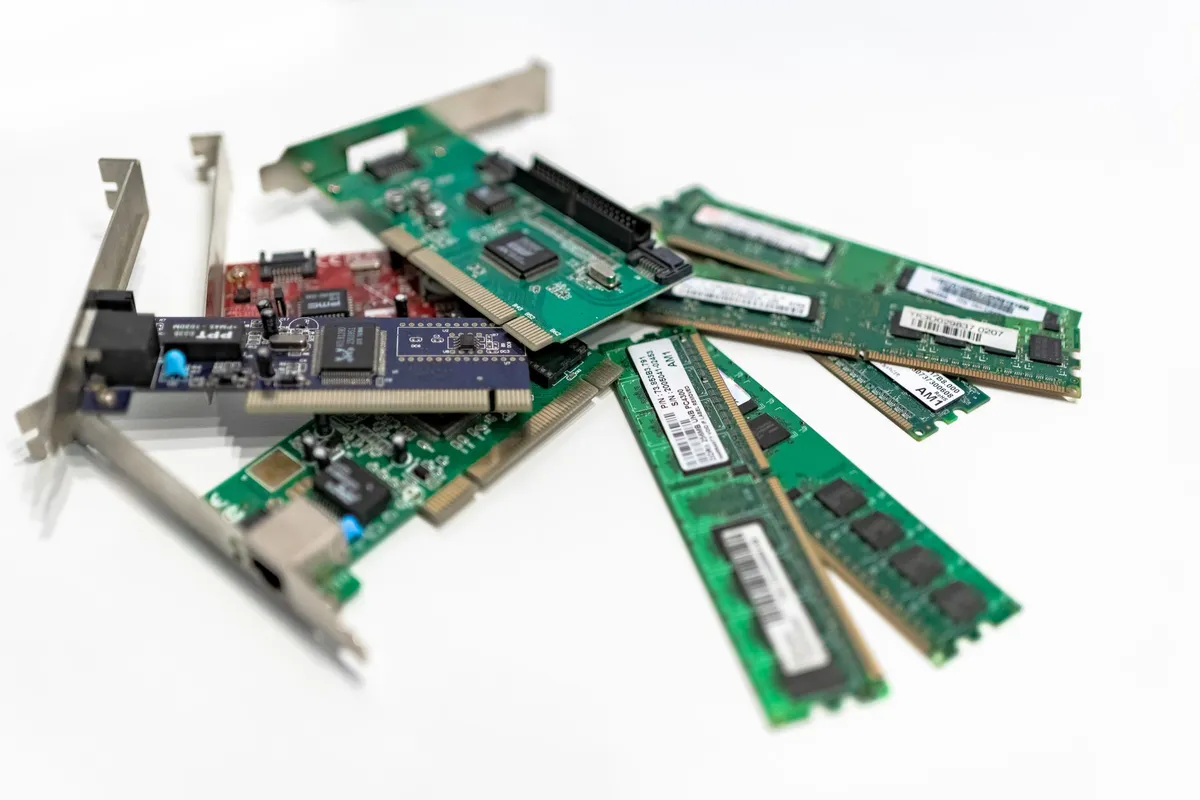
In a world increasingly reliant on technology, the ongoing memory chip shortage has emerged as a critical challenge for several industries. Samsung, one of the leading manufacturers of memory chips globally, has recently projected that the current shortage will not only persist into 2027 but will likely worsen, with tight supply conditions expected to last until at least 2028. This situation, informally dubbed "RAMaggedon," is driven by soaring demand from the burgeoning artificial intelligence (AI) sector, which is reshaping the landscape of memory chip supply and pricing.
The implications of this forecast are profound, affecting not just manufacturers but also consumers, businesses, and the broader economy. As Samsung navigates this complex environment, it is prioritizing long-term contracts with clients, particularly those in AI labs, ensuring they have a steady supply of memory chips to meet their escalating needs. This strategic pivot, while beneficial in stabilizing production, raises significant issues for the tech ecosystem at large.
Understanding the Shortage: Causes and Implications
The current memory chip shortage is multifaceted, stemming from a confluence of factors that include supply chain disruptions, increased demand for data processing capabilities, and a significant shift towards AI technologies. AI labs, in particular, require substantial memory infrastructure to support complex computations and data storage, which has driven up demand exponentially.
Supply Chain Disruptions
Since the onset of the COVID-19 pandemic, the global supply chain has faced unprecedented disruptions. Factory shutdowns, shipping delays, and labor shortages have hampered production capabilities across various sectors, including semiconductor manufacturing. As a result, companies like Samsung have struggled to meet the rising demand while simultaneously dealing with the constraints of their production lines.
Impact on Pricing and Consumer Electronics
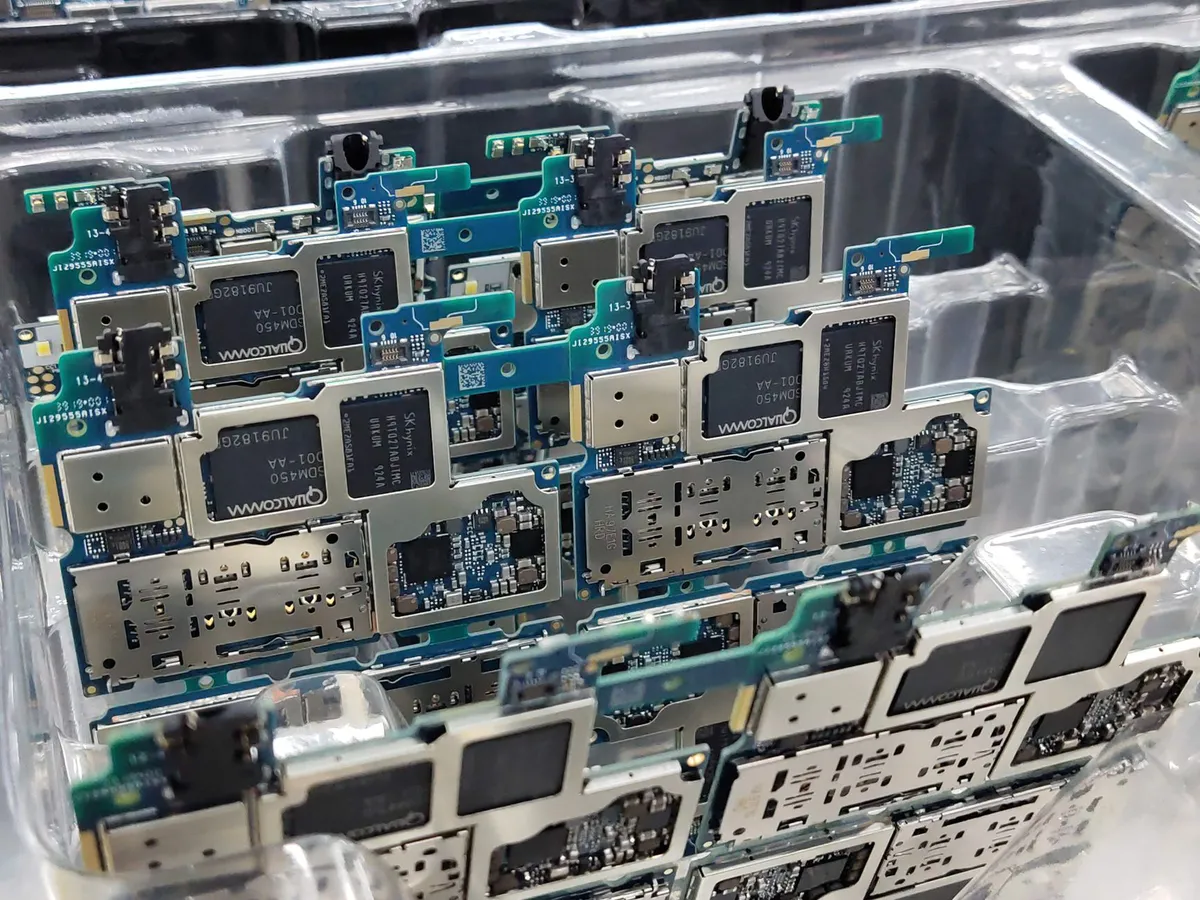
As demand for memory chips surges, so do prices. Samsung reported that its semiconductor division achieved record sales in the second quarter of 2026, largely due to increased chip prices. However, this boon for Samsung's semiconductor unit has come at a cost for its other divisions, such as smartphones and televisions, where profitability has dwindled due to rising component costs. In response, Samsung has begun raising prices on its Galaxy smartphones and tablets, a move that has not gone unnoticed by consumers.
The AI Boom and Its Consequences
The AI boom is reshaping many sectors, but the semiconductor industry is particularly affected. The demand for high-performance memory chips to support AI applications has led to manufacturers prioritizing production for data centers over consumer electronics. This shift has significant ramifications, as it not only affects device pricing but also alters the competitive landscape among technology giants.
Long-Term Contracts and Strategic Partnerships
Samsung's decision to engage in long-term contracts with AI labs illustrates a strategic pivot to secure future supply. By providing these labs with the chips they need, Samsung ensures a steady revenue stream while simultaneously allowing it to plan for production increases without fear of demand fluctuations. This move is particularly crucial for the company as it seeks to avoid the historical boom-and-bust cycles that have plagued the memory industry.
The Ripple Effects Across the Industry
The ramifications of the memory shortage extend beyond Samsung and its immediate competitors. Apple, Samsung's archrival, recently announced price hikes for its MacBooks and iPads, attributing these increases to rising memory chip costs. The tech giant has also warned of a slowdown in revenue growth, projecting an increase of only 9% to 11% year-over-year for the coming quarter, down from 16%.
Consumer Electronics Pricing Trends
As the memory shortage continues, consumers can expect to see higher prices across various devices. For instance, Nvidia has indicated that it will raise its consumer graphics card prices by 20% to 30%. This trend will likely extend to gaming devices, desktop computers, and other consumer electronics as manufacturers grapple with escalating component costs.
- Higher prices for smartphones and tablets: Samsung and Apple have both raised prices on their devices due to increased memory costs.
- Increased costs for gaming hardware: Nvidia plans to hike prices on graphics cards, affecting the gaming community.
- Long-term supply contracts: Companies are prioritizing long-term contracts to secure supply amidst the ongoing shortage.

Future Outlook: Navigating the RAMaggedon
Looking ahead, the memory chip shortage is unlikely to resolve swiftly. With AI's influence on the semiconductor market expected to grow, manufacturers like Samsung need to adapt their strategies to maintain stability. This includes investing in new production technologies and expanding manufacturing capabilities to meet the evolving demands of their customers.
Mitigating Risks and Enhancing Production
Samsung's ability to navigate the RAMaggedon will hinge on its capacity to increase production while managing costs. By investing in advanced manufacturing technologies and enhancing supply chain resilience, the company can mitigate the risks associated with fluctuating demand and pricing pressures. However, these measures require significant upfront investment and long-term planning.
Key Takeaways
- The memory chip shortage is set to worsen through at least 2028, driven by AI demands.
- Companies are prioritizing long-term contracts to secure supply and stabilize production.
- Consumers can expect higher prices across various electronic devices due to rising memory costs.
- Manufacturers must adapt their strategies to navigate the changing landscape of the semiconductor market.
Frequently Asked Questions
What is the RAMaggedon?
The term "RAMaggedon" refers to the ongoing and worsening shortage of RAM chips, primarily driven by soaring demand from AI labs and a shift in manufacturing priorities. This situation has resulted in increased prices for memory chips and subsequent price hikes for consumer electronics.
How does the memory shortage affect consumers?
Consumers are facing higher prices for various electronic devices, including smartphones, laptops, and gaming hardware. As manufacturers adjust to increased costs for memory chips, these price hikes are likely to continue in the near future.
Why are companies prioritizing long-term contracts?
Companies like Samsung are prioritizing long-term contracts with clients, particularly those in the AI sector, to ensure a stable supply of memory chips. This approach allows manufacturers to plan production increases and navigate demand fluctuations more effectively.
What does the future hold for the memory chip market?
The memory chip market is expected to remain under pressure until at least 2028, with rising demand from AI and other sectors. Manufacturers will need to invest in new technologies and strategies to keep pace with this evolving landscape and mitigate risks associated with supply chain disruptions.
Comments
Recycling Electric Vehicles: China's Key to Sustainable EV Manufacturing
As the electric vehicle market surges, China's potential to supply this growth through recycled materials offers a promising sustainability strategy. This article explores the implications of recycling in the EV manufacturing ecosystem.

Related articles


Popular in Cloud Computing
- SK Hynix's Historic $26.5 Billion IPO: A New Era for Memory Chips
- Kubernetes and the Future of Desktop Infrastructure: A Paradigm Shift
- Amazon Expands Partnership with Nvidia, Tripling GPU Orders Amid AI Demand Surge
- Elon Musk's Evolving Relationship with Anthropic: A New Era for AI Hosting
- Emerging Rocket Launches: A New Era for Space Exploration