Power Line Failure Reveals Critical Issues in AI Data Center Infrastructure
A recent incident involving a power line failure in Northern Virginia has shed light on the vulnerabilities of AI data centers and their impact on the electrical grid. This article explores the growing challenges data centers face and innovative solutions being developed to ensure stability.
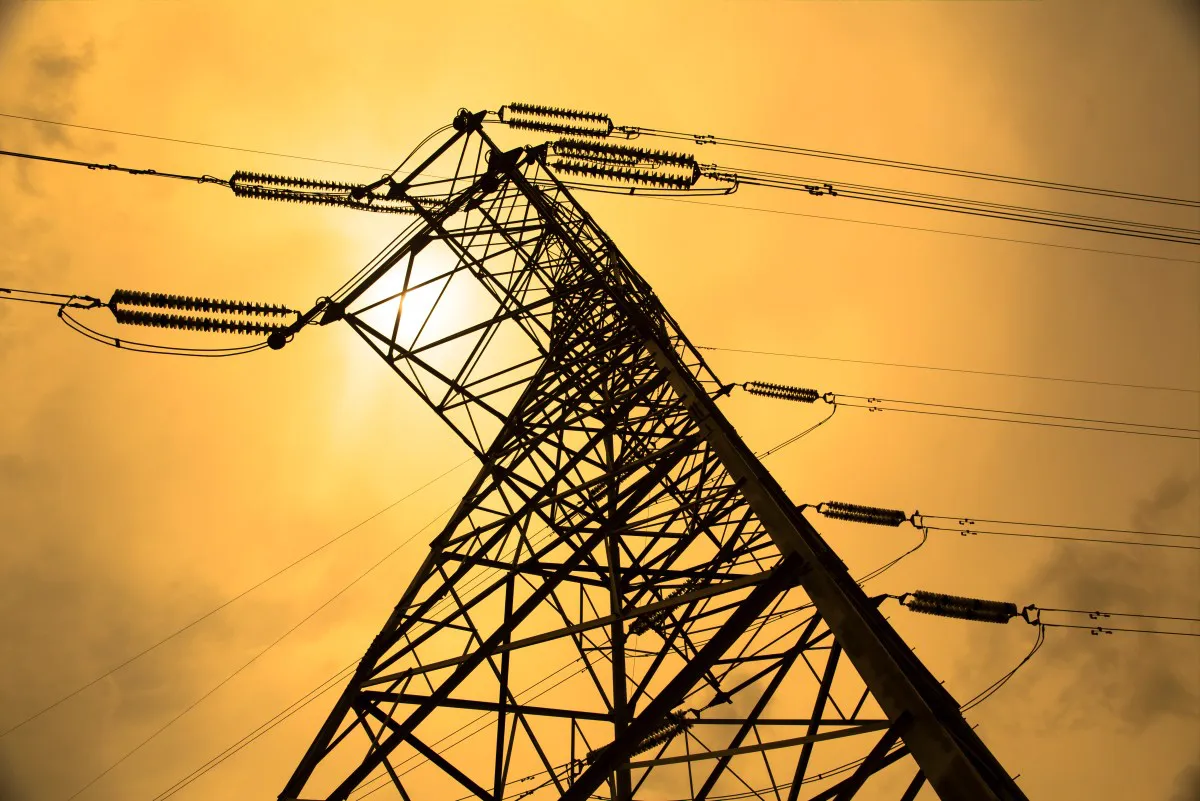
In a startling incident outside Washington, D.C., a fallen power line has highlighted a critical issue facing the burgeoning infrastructure of AI data centers. While a power grid typically recovers from such disruptions within seconds, this particular event took over ten minutes to stabilize, sending ripples of voltage fluctuations across a vast network managed by the PJM Interconnection. The incident serves as a harbinger of future challenges as our reliance on data centers continues to grow, especially with the explosive demand for AI processing power.
The implications of this event are far-reaching, as it not only caused momentary flickering lights across the region but also underscored the fragile relationship between data centers and the electrical grid. With Northern Virginia housing the world’s highest concentration of data centers, the recent power disruption is a clear signal that these facilities must evolve to better integrate with the grid to prevent larger-scale repercussions.
Understanding the Incident: A Closer Look at the Grid's Reaction
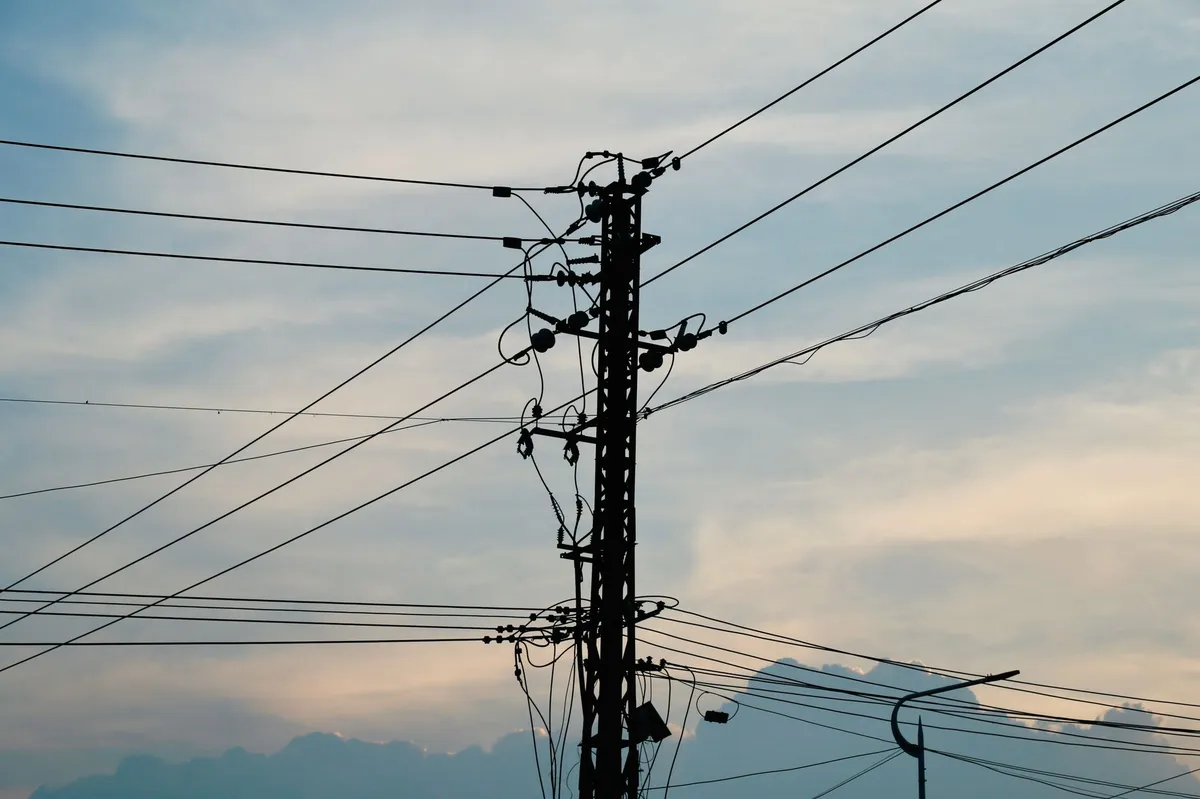
The power line failure triggered an immediate response from data centers in the vicinity, which collectively drew 3.1 gigawatts of power from the grid in a matter of seconds. This mass disconnection, accounting for approximately 3% of the total demand on the PJM grid at that time, created a significant imbalance. As electricity supply surged without a corresponding demand, voltage levels spiked, leading to flickering lights and indicating the grid's delicate balance.
According to experts, such mass disconnections are becoming increasingly common. Ricardo de Azevedo, CTO at ON.Energy, described the situation as a “canary in the coal mine,” warning that unless data centers adapt to handle these disruptions more gracefully, we could face larger systemic failures in the future. The PJM Interconnection operates one of the largest electrical grids in the U.S., serving over 67 million customers across multiple states, making its stability crucial for both residential and commercial energy needs.
The Rising Demand for Data Centers and Its Consequences
As our digital landscape evolves, data centers are increasingly tasked with supporting massive amounts of data processing, particularly for AI applications. Current estimates suggest that by 2040, data centers could account for up to 24% of the PJM grid's load, a significant increase from the 6% they represented just a few years ago. This exponential growth poses a challenge to the grid, especially during incidents like the recent power line failure.
The infrastructure that supports these data centers must be designed to not only handle the immense load they create but also to manage the way they interact with the electrical grid. The need for innovative solutions has never been more pressing.

Innovative Solutions: Building Resilience into Data Center Operations
One promising approach to mitigating the issues highlighted by the recent incident is to improve how data centers manage their energy loads. ON.Energy is at the forefront of this movement, developing an uninterruptible power supply (UPS) system designed for entire data center campuses. This technology allows data centers to behave as a single, stable load rather than a collection of individual units that can rapidly disconnect in response to fluctuations.
How ON.Energy's System Works
ON.Energy’s innovative UPS system incorporates a bank of batteries coupled with sophisticated power conversion technology. This setup allows data centers to absorb excess power during peak times and discharge energy back to the grid during periods of demand. By smoothing out power fluctuations, data centers can maintain operational continuity without contributing to grid instability.
Benefits of a Synchronized Approach
Implementing such systems not only prevents flickering lights and grid disruptions but also enables data centers to manage their computing workloads more effectively. For instance, during AI training sessions, the data centers can ramp workloads up or down without impacting the grid, maintaining a seamless operational flow.
Regulatory Landscape and Future Considerations
The regulatory environment is also evolving in response to these challenges. As energy demands rise, organizations like ERCOT (Electric Reliability Council of Texas) are beginning to require large loads—such as data centers—to “ride through” disruptions rather than disconnecting entirely. This shift indicates a broader recognition of the need for resilient infrastructures that can adapt to the demands of modern technology without compromising grid stability.
However, as the frequency and scale of these incidents increase, the clock is ticking for data centers to implement these necessary changes. The recent incident, which saw a disconnection event twice as large as a similar occurrence in 2024, is a clear warning that immediate action is needed to avert a potential crisis.

Key Takeaways
- Power disruptions are increasingly affecting data centers, highlighting the need for improved infrastructure.
- Data centers' share of grid demand is expected to grow, raising concerns about stability.
- Innovative UPS technology can stabilize power loads and prevent disruptions.
- Regulatory changes are pushing for data centers to adapt to grid challenges.
Frequently Asked Questions
What happened during the recent power line failure?
The power line failure outside Washington, D.C., caused a significant number of data centers to disconnect from the grid, resulting in a voltage spike that affected the surrounding area. This incident took over ten minutes to stabilize, showcasing the vulnerabilities in current data center operations and their impact on grid stability.
How do data centers impact the electrical grid?
Data centers have a substantial impact on the electrical grid due to their high energy demands. When large numbers of data centers disconnect simultaneously, as seen in the recent incident, it can create significant imbalances in supply and demand, leading to voltage fluctuations and potential disruptions across the grid.
What solutions are being developed to enhance data center resilience?
Companies like ON.Energy are developing uninterruptible power supply systems designed for entire data center campuses. These systems allow data centers to manage their energy loads more effectively, smoothing out power fluctuations and preventing disconnections that can destabilize the grid.
What regulatory changes are influencing data center operations?
As energy demands increase, regulatory bodies like ERCOT are beginning to require large loads, such as data centers, to remain connected during power disruptions. This shift aims to enhance the resilience of the electrical grid and ensure that data centers play a positive role in maintaining grid stability.
Comments
Rocket Launch Updates: Lightning Strikes, New Ventures, and Future Predictions
Recent developments in the space industry highlight significant advancements and challenges. From the lightning-struck Long March rocket to SpaceX's imminent Starship launch, these events mark crucial moments in aerospace history.

Related articles

Popular in Cloud Computing
- SK Hynix's Historic $26.5 Billion IPO: A New Era for Memory Chips
- Kubernetes and the Future of Desktop Infrastructure: A Paradigm Shift
- Amazon Expands Partnership with Nvidia, Tripling GPU Orders Amid AI Demand Surge
- Elon Musk's Evolving Relationship with Anthropic: A New Era for AI Hosting
- Emerging Rocket Launches: A New Era for Space Exploration