Wildfire Forces Evacuation of NASA's Deep Space Network in Spain
A fast-moving wildfire near Madrid has compelled the evacuation of NASA's Deep Space Network complex, impacting vital space communications. This article explores the implications of this event on global space missions and the broader challenges posed by climate change.
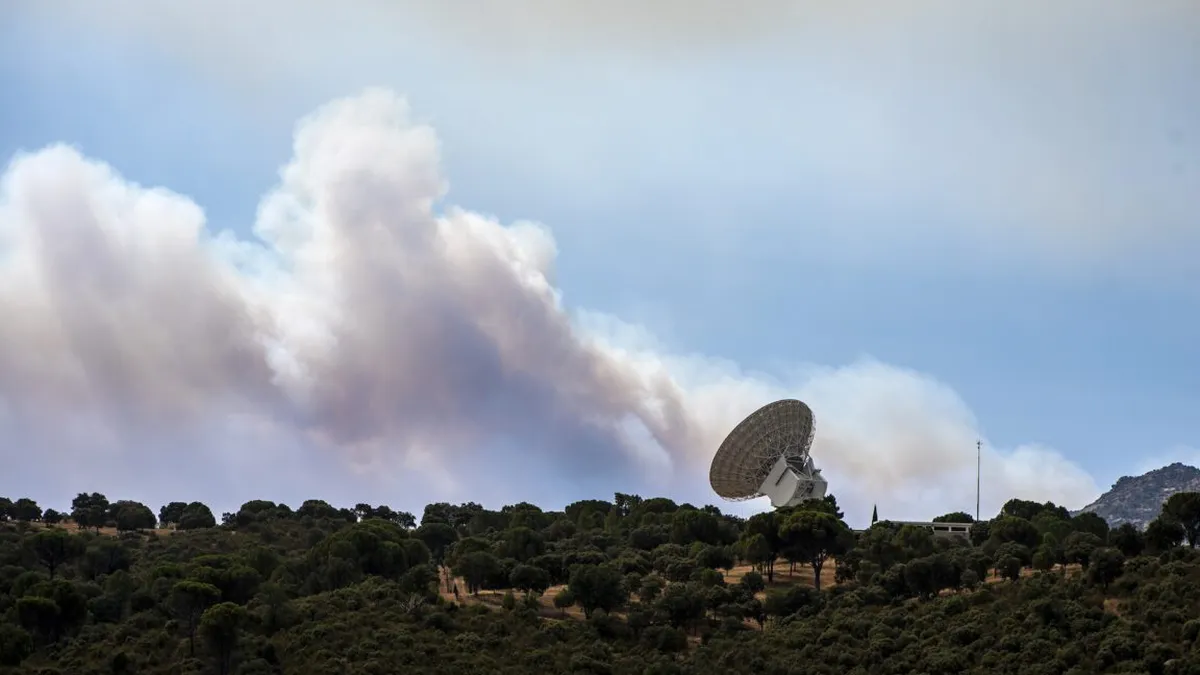
On July 24, 2026, a devastating wildfire swept through Spain, prompting the evacuation of NASA's Madrid Deep Space Communications Complex located in Robledo de Chavela, just west of Madrid. This facility plays a crucial role in NASA's Deep Space Network (DSN), which supports over 40 space missions ranging from lunar explorations to deep space probes. The rapid response to the wildfire underscores the vulnerabilities our technological infrastructures face amid escalating climate-related disasters.
As smoke and flames threatened the safety of personnel and the complex's operations, NASA officials acted swiftly, halting communications and evacuating staff. The DSN, which operates in concert with facilities in California and Australia, utilizes a “follow the Sun” model, allowing for continuous support of spacecraft as Earth rotates. However, with the Madrid site temporarily offline, critical communications with missions such as the Voyager spacecraft and the James Webb Space Telescope could be jeopardized, albeit momentarily.
The Importance of the Deep Space Network
The Deep Space Network is a vital component of NASA's mission to explore beyond our home planet. It consists of three major complexes strategically located in California, Australia, and Spain, ensuring that at least one facility is always in the line of sight of Earth-orbiting and deep-space missions. Each site is equipped with large radio antennas that communicate with spacecraft, sending commands and receiving data.
Global Coverage and Mission Support
The DSN provides unparalleled support for a variety of missions, including:
- Artemis Program: Future lunar missions, including crewed missions to the Moon.
- James Webb Space Telescope: Deep space observations and scientific research.
- Voyager Spacecraft: Long-term missions exploring the outer reaches of the Solar System.
When one of these facilities is compromised, it can have a cascading effect on mission operations. For instance, the evacuation of the Madrid site leaves only one operational 70-meter antenna in Australia, as the California complex has been offline since an incident last year that caused significant damage.
Impact of Climate Change on Infrastructure
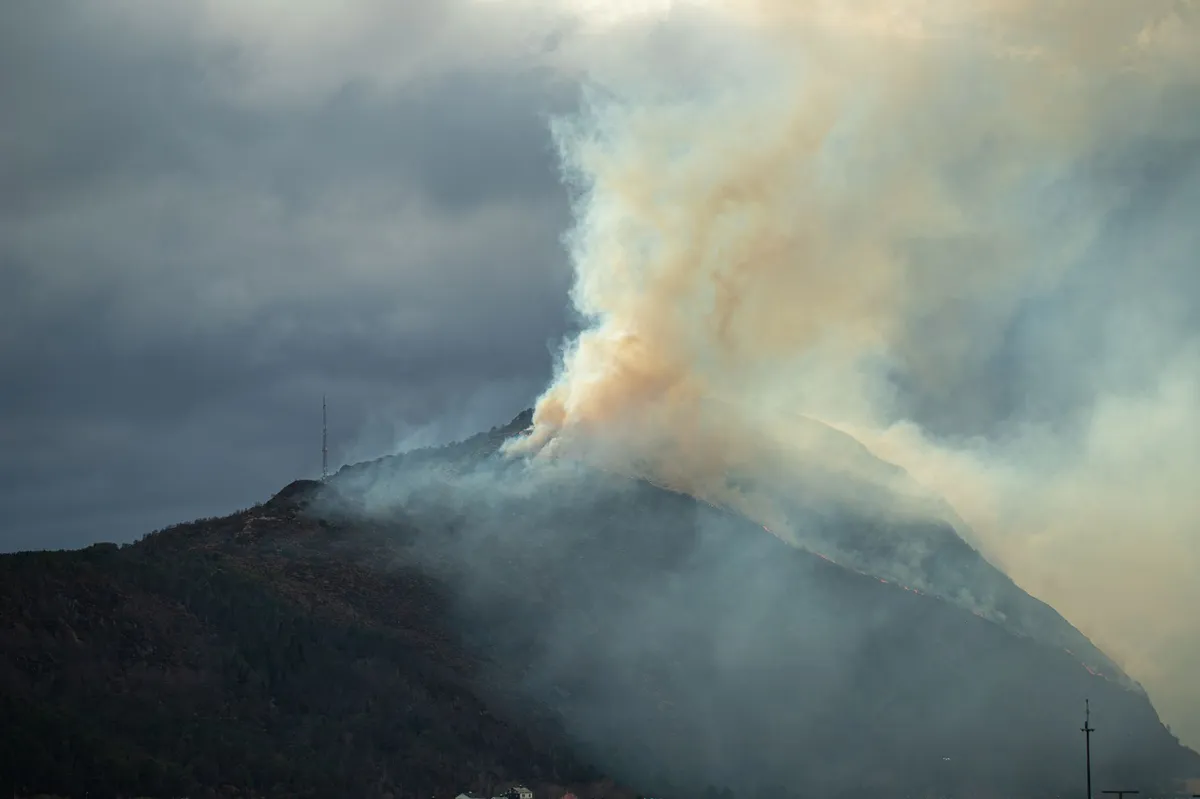
The recent wildfires in Spain are not isolated incidents but rather an alarming trend linked to climate change. Prolonged heat waves and drought conditions have heightened the risk of wildfires across Europe, particularly in Spain and France. As climate events become more frequent and severe, the implications for critical infrastructure like NASA's DSN cannot be overstated.
Increased Frequency of Disasters
Statistics show that wildfires in Spain have surged in recent years, with over 19,000 people ordered to evacuate due to the current crisis. These circumstances prompt questions about the resilience of key facilities that support national and global objectives, particularly in sectors reliant on uninterrupted communication and operations.
The environmental challenges faced by NASA are indicative of a larger issue affecting not just space exploration but all sectors reliant on critical infrastructure. As disasters become more common, agencies must rethink their operational strategies, including site selection, emergency preparedness, and inter-agency collaboration.
Transitioning Operations Amid Disruptions
In light of the Madrid site evacuation, NASA has successfully transitioned mission operations to the Goldstone Deep Space Communications Complex in California. This seamless shift is a testament to the robust planning and operational flexibility built into the DSN framework. NASA's ability to maintain continuous communication with spacecraft is crucial, especially for ongoing missions that rely heavily on data transmission.
Challenges Ahead for Future Missions
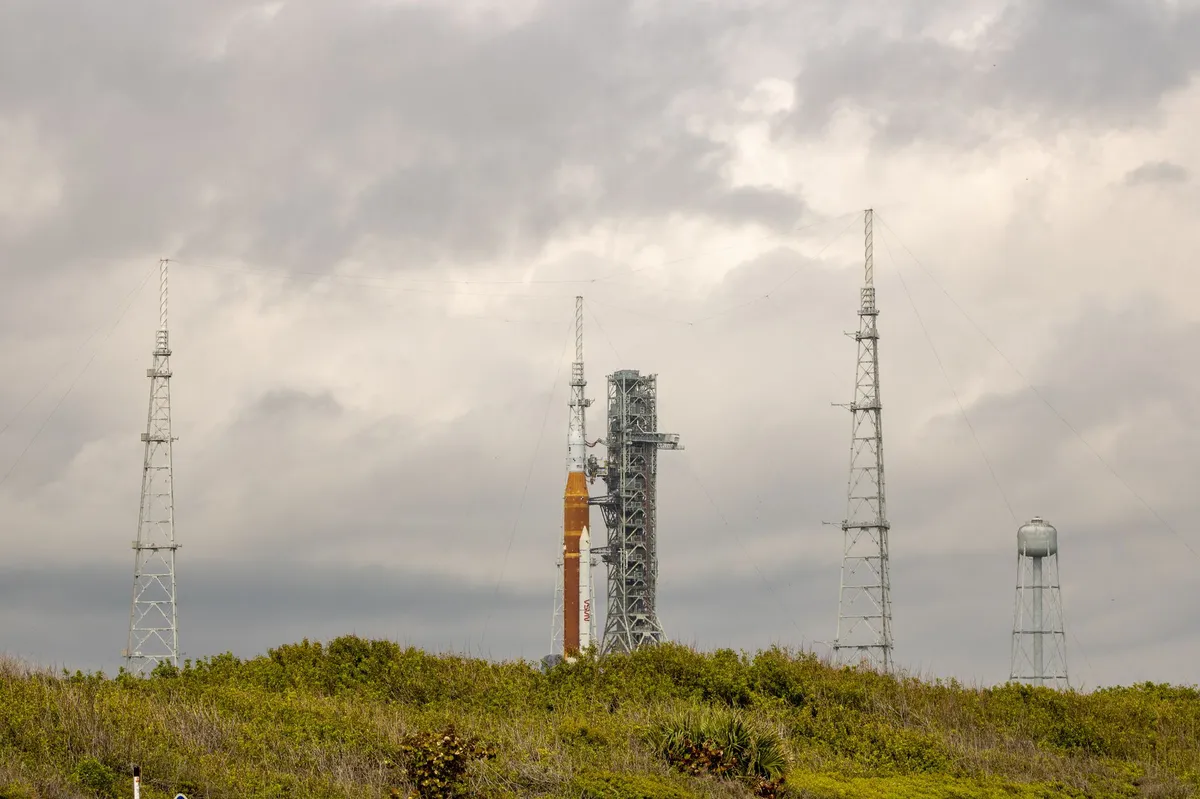
The upcoming Artemis missions, particularly Artemis III and IV, will demand even greater resources from the DSN. These missions are designed to return humans to the lunar surface and pave the way for future deep space exploration. The high demand for telemetry and imagery downlinks will place additional strain on the remaining operational antennas, particularly given that the California facility will remain offline until at least 2028 due to ongoing repairs and upgrades.
NASA's proactive approach to managing communications amid the Madrid site's challenges is commendable, but it also highlights the need for sustainable operational practices that can withstand the increasing impacts of climate change.
Key Takeaways
- Wildfires in Spain have forced the evacuation of NASA's Madrid Deep Space Communications Complex, impacting global space mission operations.
- The Deep Space Network is essential for continuous communication with over 40 missions, including Artemis and Voyager.
- Climate change is exacerbating environmental challenges, increasing the frequency and severity of wildfires.
- NASA's resilience and operational flexibility are critical in maintaining mission support despite infrastructural challenges.
- Future Artemis missions will significantly increase demands on the remaining operational DSN antennas.
Frequently Asked Questions
What is the Deep Space Network and why is it important?
The Deep Space Network (DSN) is NASA’s global network of antennas and facilities that support interplanetary spacecraft and Earth-orbiting missions. It is vital for sending commands to spacecraft and receiving scientific data back to Earth. The DSN enables NASA to communicate with missions exploring the Moon, Mars, and beyond, making it a cornerstone of modern space exploration.
How does climate change affect infrastructure like NASA's DSN?
Climate change contributes to more extreme weather events, such as wildfires, which can directly threaten critical infrastructure. The increased risk of natural disasters means that facilities like NASA’s DSN must develop strategies to mitigate these risks, ensuring continuity of operations even when faced with environmental challenges. This includes site assessments, emergency plans, and investment in resilience measures.
What are the implications of the Madrid site being offline?
The temporary shutdown of NASA's Madrid Deep Space Communications Complex means that the agency has only one operational 70-meter antenna in Australia. This can create communication bottlenecks for ongoing and future missions, leading to potential delays in data transmission and mission support. The DSN's ability to maintain global coverage is crucial for mission success, and the loss of a site places significant pressure on the remaining facilities.
What are the next steps for NASA regarding the Madrid complex?
NASA officials are closely monitoring the wildfire situation and will assess any potential damage to the Madrid complex once it is safe to do so. They are committed to ensuring the safety of their personnel while also maintaining support for ongoing missions through their other DSN facilities. Long-term strategies will likely involve assessing infrastructure resilience and preparing for future climate-related challenges to safeguard critical operations.
Comments
Power Line Failure Reveals Critical Issues in AI Data Center Infrastructure
A recent incident involving a power line failure in Northern Virginia has shed light on the vulnerabilities of AI data centers and their impact on the electrical grid. This article explores the growing challenges data centers face and innovative solutions being developed to ensure stability.
Related articles
Popular in Cloud Computing
- SK Hynix's Historic $26.5 Billion IPO: A New Era for Memory Chips
- Kubernetes and the Future of Desktop Infrastructure: A Paradigm Shift
- Amazon Expands Partnership with Nvidia, Tripling GPU Orders Amid AI Demand Surge
- Elon Musk's Evolving Relationship with Anthropic: A New Era for AI Hosting
- Emerging Rocket Launches: A New Era for Space Exploration