Rocket Launch Updates: Lightning Strikes, New Ventures, and Future Predictions
Recent developments in the space industry highlight significant advancements and challenges. From the lightning-struck Long March rocket to SpaceX's imminent Starship launch, these events mark crucial moments in aerospace history.
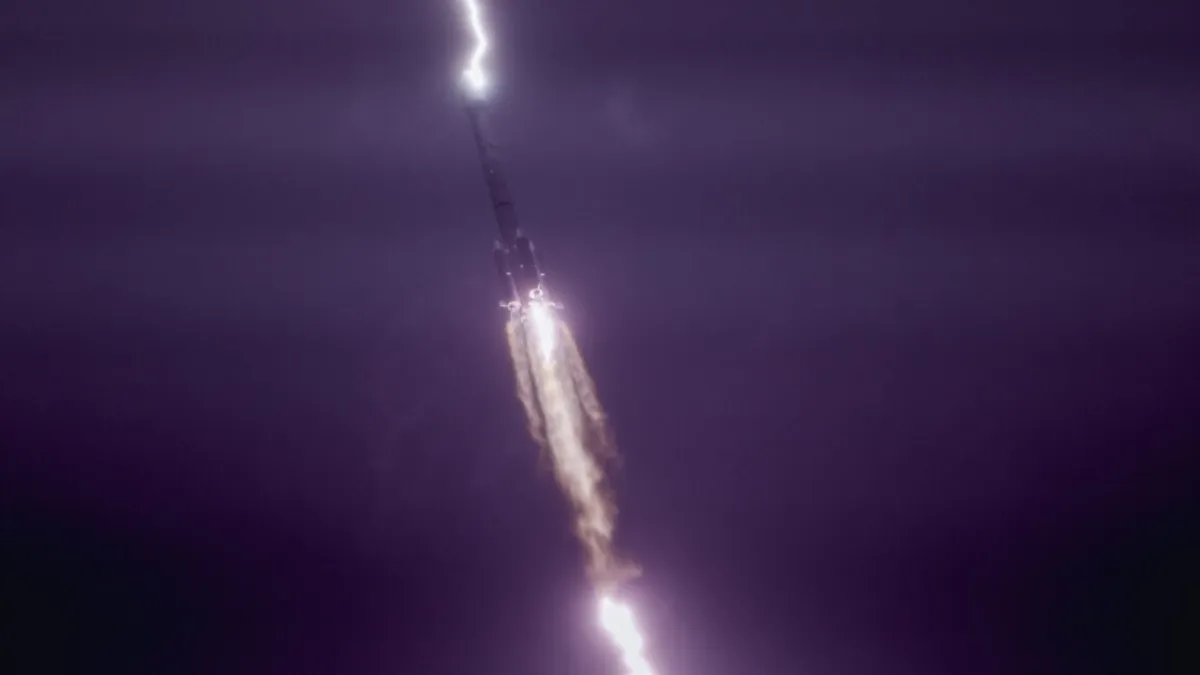
The world of aerospace is witnessing a flurry of activity, marked by both triumphs and challenges. Recent events have underscored the dynamic nature of the space industry, where innovation meets unpredictability. On July 23, 2026, a Long March 3B rocket carrying the Tianlian II-06 satellite was struck by lightning shortly after launch from Xichang Satellite Launch Center in China. This incident serves as a reminder of the complexities involved in space exploration and the technological hurdles that companies must navigate.
Meanwhile, the excitement is building around SpaceX's upcoming 13th Starship test flight, poised to potentially transform the landscape of space travel. As various companies, including emerging players like Skyroot Aerospace, make strides in launching their own rockets, the competitive atmosphere in the aerospace sector is more vibrant than ever. These developments not only highlight technological advancements but also reflect shifting market dynamics and regulatory landscapes.
Recent Launches: Successes and Challenges
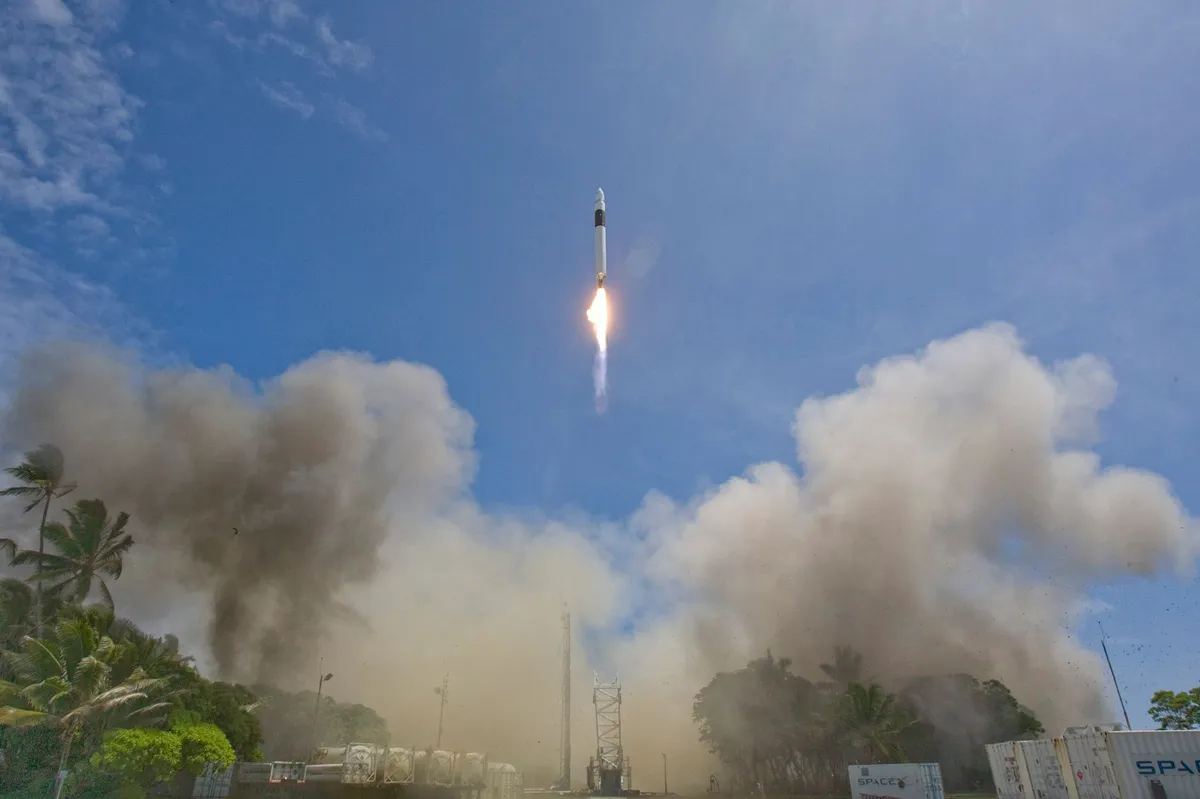
In a notable success for India, the Vikram-1 rocket, developed by Skyroot Aerospace, completed its inaugural flight on July 22, 2026. This launch marked a significant milestone for the Indian space industry as it was the first fully commercial satellite launcher. The Vikram-1 ascended into a 280-mile-high orbit, demonstrating the capabilities of smaller launch vehicles in a market increasingly dominated by larger competitors.
Key Features of Vikram-1
- Height: 72 feet (22 meters)
- Payload Capacity: Up to 770 pounds (350 kilograms)
- Launch Site: Sriharikota Island, Bay of Bengal
- Orbit Achieved: Approximately 280 miles (450 kilometers) at a 60-degree inclination
The Vikram-1's successful launch not only boosts India's reputation as a space power but also adds to the growing list of commercial space players capable of delivering payloads to orbit. As the demand for satellite deployment increases, the need for reliable and cost-effective launch solutions becomes paramount.
Innovative Ideas in Launch Infrastructure
The U.S. government is exploring innovative approaches to alleviate congestion at existing spaceports. One such proposal involves repurposing inactive offshore oil platforms as potential launch sites for rockets. The Bureau of Ocean Energy Management is soliciting public input on this concept, recognizing the pressing need for expanded launch infrastructure.
Experts suggest that utilizing these platforms could ease the bottleneck at traditional spaceports, providing a strategic advantage in a rapidly evolving launch market. George Nield, a former FAA official, emphasized that this idea is far from absurd, considering the increasing frequency of launches.

Technological Advancements: The Future of Propulsion
Lockheed Martin's recent collaboration with Venus Aerospace marks a significant advancement in propulsion technology. The partnership aims to evaluate Venus's rotating detonation rocket engine (RDRE), known for its potential to enhance propulsion efficiency and reduce complexity. This technology generates thrust through a wave of detonation, offering a promising alternative to traditional rocket engines.
Potential Benefits of RDRE
- Increased Efficiency: Improved fuel utilization leading to longer flight ranges.
- Reduced Complexity: Streamlined design potentially lowering manufacturing costs.
- Operational Versatility: Adaptable for various military applications.
As defense contractors look to modernize their missile systems, the RDRE technology could play a pivotal role in shaping the next generation of military propulsion systems.
Future Launches and Strategic Developments
In response to a growing demand for military satellite launches, the U.S. Space Force has significantly increased its National Security Space Launch (NSSL) contract value from $5.6 billion to $17 billion. This tripling of the contract value reflects the Pentagon's commitment to enhancing the country's space transport capabilities amid rising geopolitical tensions.
The NSSL contract allows Space Systems Command to select various launch providers for missions, ensuring a robust and competitive landscape for defense-related launches. As the military continues to expand its satellite network, the anticipated demand for launches is expected to rise further.
Robotics in Space: The Mission Robotic Vehicle
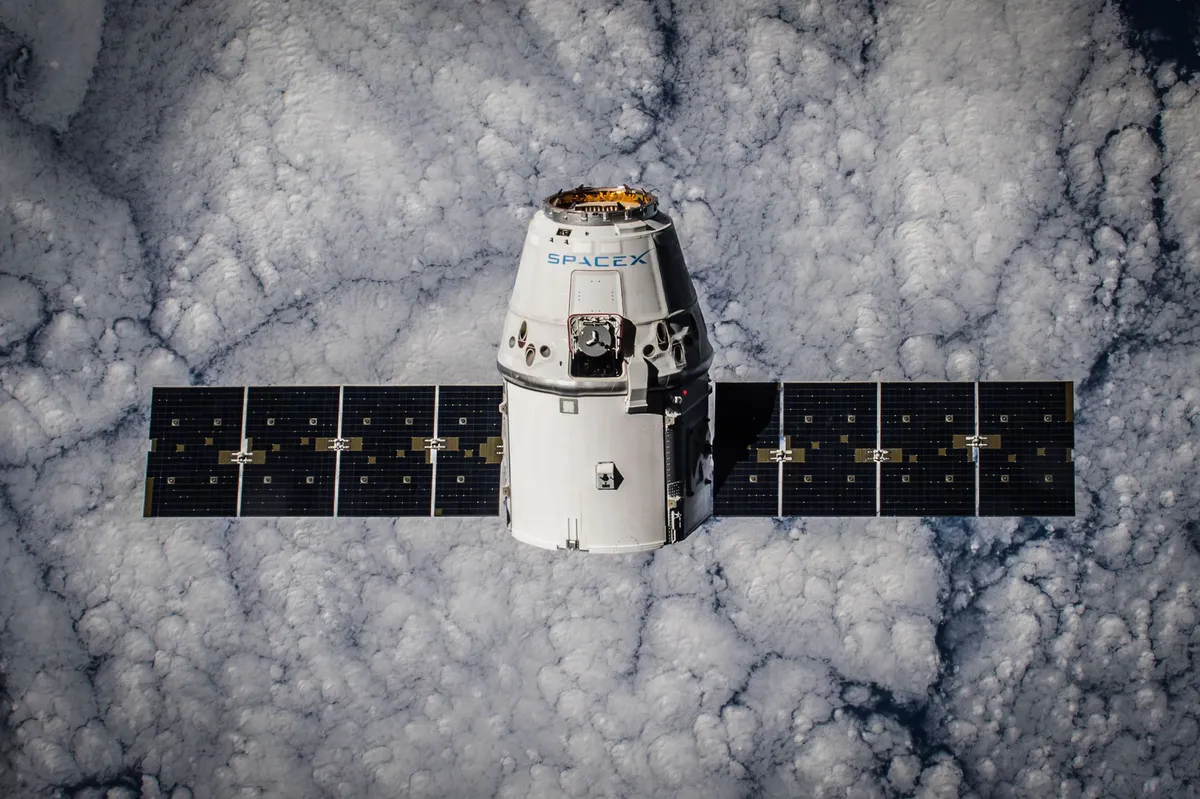
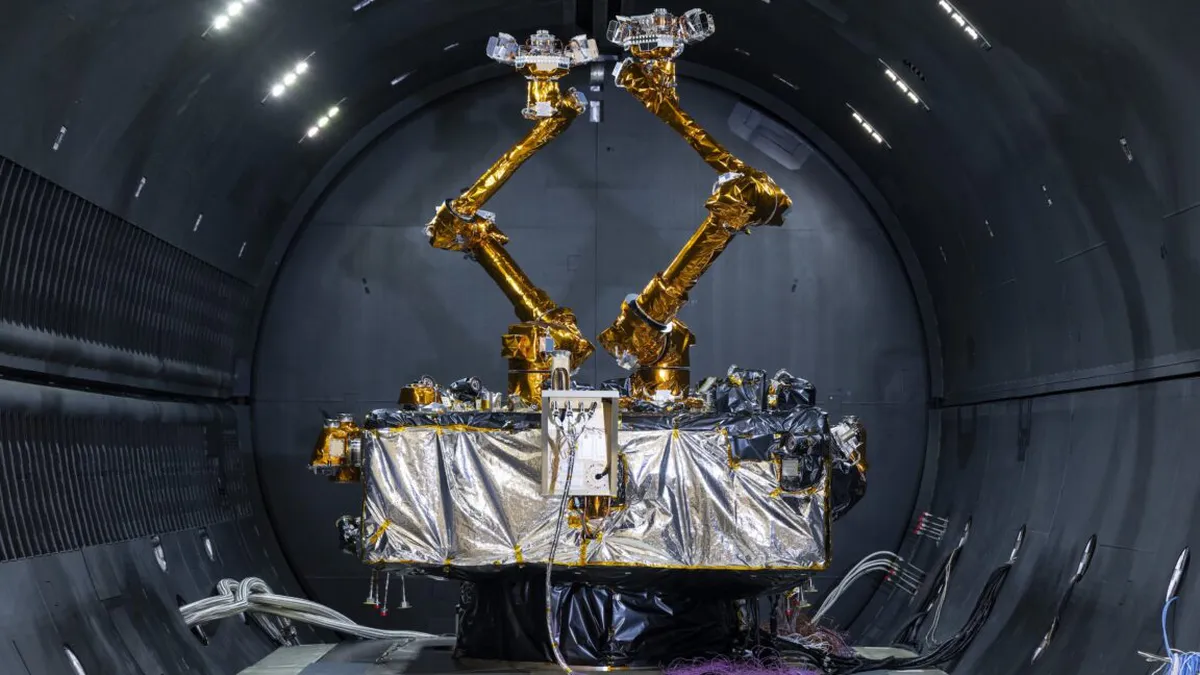
A groundbreaking mission has commenced with the launch of the Mission Robotic Vehicle (MRV), developed by Northrop Grumman in partnership with DARPA. This spacecraft, equipped with advanced robotic arms, is designed to perform servicing tasks on satellites in geosynchronous orbit. The MRV's capabilities represent a significant leap forward in satellite maintenance and servicing technology.
MRV's Innovative Functions
- Robotic Arms: Two flexible arms for installing propulsion pods onto satellites.
- Extended Satellite Lifespan: Aimed at prolonging the operational life of existing satellites.
- Public-Private Partnership: Collaboration between Northrop Grumman and DARPA to foster innovation.
The MRV mission is set to last a decade and could redefine how we approach satellite maintenance, potentially reducing costs and increasing the efficiency of satellite operations in space.
Key Takeaways
- Recent rocket launches, including the Vikram-1 and the Long March 3B, highlight both successes and challenges in the space industry.
- Innovative ideas, such as repurposing offshore oil platforms for launches, are being explored to solve infrastructure congestion.
- Lockheed Martin's collaboration with Venus Aerospace could lead to significant advancements in military propulsion technology.
- The U.S. Space Force's increased NSSL contract value reflects growing military demand for satellite launches.
- The launch of the Mission Robotic Vehicle introduces new possibilities for satellite servicing and maintenance in orbit.
Frequently Asked Questions
What happened to the Long March 3B rocket during its launch?
On July 23, 2026, the Long March 3B rocket, which was carrying the Tianlian II-06 satellite, was struck by lightning shortly after liftoff from the Xichang Satellite Launch Center. This incident underscores the unpredictable nature of launch conditions and their potential impact on mission success.
How does the Vikram-1 rocket compare to other small satellite launch vehicles?
The Vikram-1, developed by Skyroot Aerospace, is a small satellite launch vehicle capable of delivering payloads up to 770 pounds to low-Earth orbit. It stands at 72 feet tall, making it slightly larger than Rocket Lab's Electron rocket, which is known as the most successful dedicated small satellite launcher. This positioning allows Vikram-1 to compete effectively in the growing market for small satellite launches.
What are the potential advantages of using offshore platforms for rocket launches?
Repurposing inactive offshore oil platforms for rocket launches could help alleviate congestion at traditional spaceports while providing strategic advantages. These platforms offer a unique location for launches, potentially reducing risks associated with terrestrial environments and expanding the options for launch sites in a congested market.
What is the significance of the Mission Robotic Vehicle (MRV)?
The MRV represents a significant advancement in satellite servicing technology. Equipped with two robotic arms, it is designed to perform maintenance tasks on satellites, extending their operational life. This mission, developed in collaboration with Northrop Grumman and DARPA, could revolutionize how satellites are serviced in orbit, making space operations more efficient and cost-effective.
Comments
Power Line Failure Reveals Critical Issues in AI Data Center Infrastructure
A recent incident involving a power line failure in Northern Virginia has shed light on the vulnerabilities of AI data centers and their impact on the electrical grid. This article explores the growing challenges data centers face and innovative solutions being developed to ensure stability.
Related articles
Popular in Cloud Computing
- SK Hynix's Historic $26.5 Billion IPO: A New Era for Memory Chips
- Kubernetes and the Future of Desktop Infrastructure: A Paradigm Shift
- Amazon Expands Partnership with Nvidia, Tripling GPU Orders Amid AI Demand Surge
- Elon Musk's Evolving Relationship with Anthropic: A New Era for AI Hosting
- Emerging Rocket Launches: A New Era for Space Exploration