The Future of Space: Northrop Grumman's Revolutionary Robotic Servicing Satellite
Northrop Grumman's Mission Robotic Vehicle is set to change the landscape of satellite servicing. With advanced robotics and new capabilities, it promises to redefine how we manage satellites in orbit.
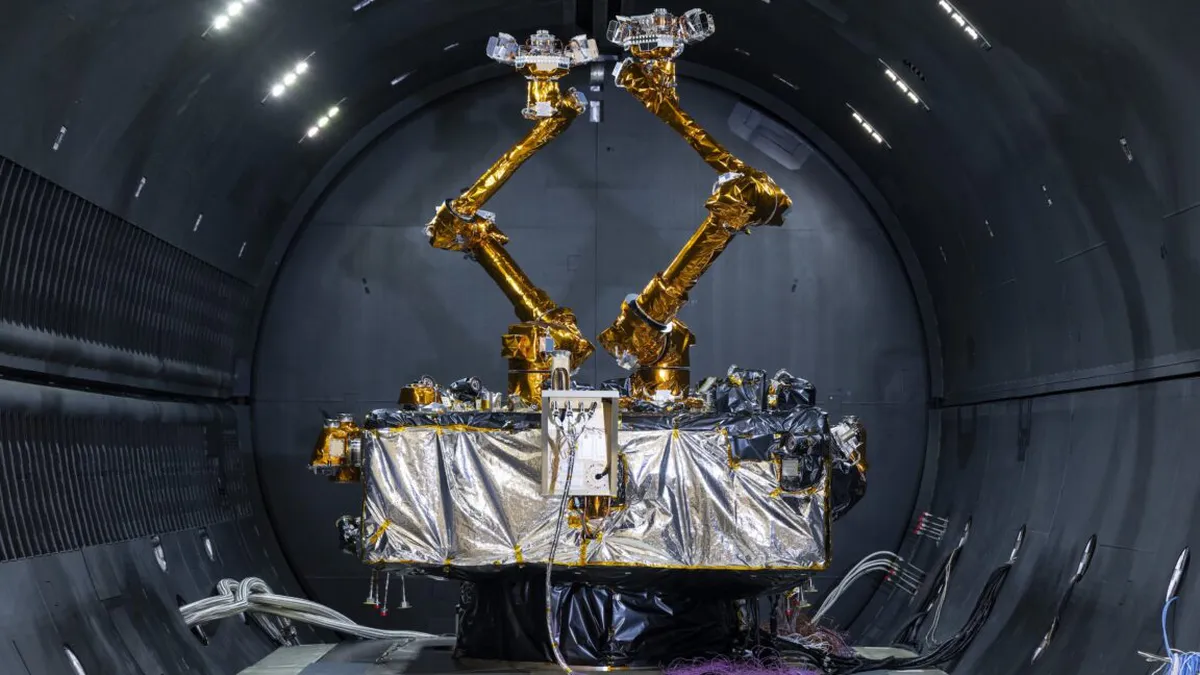
In an era where space technology is progressing at an unprecedented pace, Northrop Grumman's Mission Robotic Vehicle (MRV) stands out as a beacon of innovation. Launched recently aboard a SpaceX Falcon 9 rocket, this sophisticated spacecraft is designed to operate in geosynchronous orbit, a region of space where satellites maintain a constant position relative to Earth. The implications of the MRV's capabilities are vast, potentially transforming satellite servicing and maintenance, and raising questions about the future of space operations.
Equipped with two flexible robotic arms, the MRV is the most advanced servicing satellite known to date. Its mission is not only to extend the life of existing satellites but also to inspect, upgrade, and even repair them—tasks that have traditionally been challenging or impossible. As the boundaries of space technology expand, the MRV could shift the paradigm of satellite operations from a 'launch-and-abandon' model to one that embraces ongoing service and maintenance.
Unveiling the Mission Robotic Vehicle
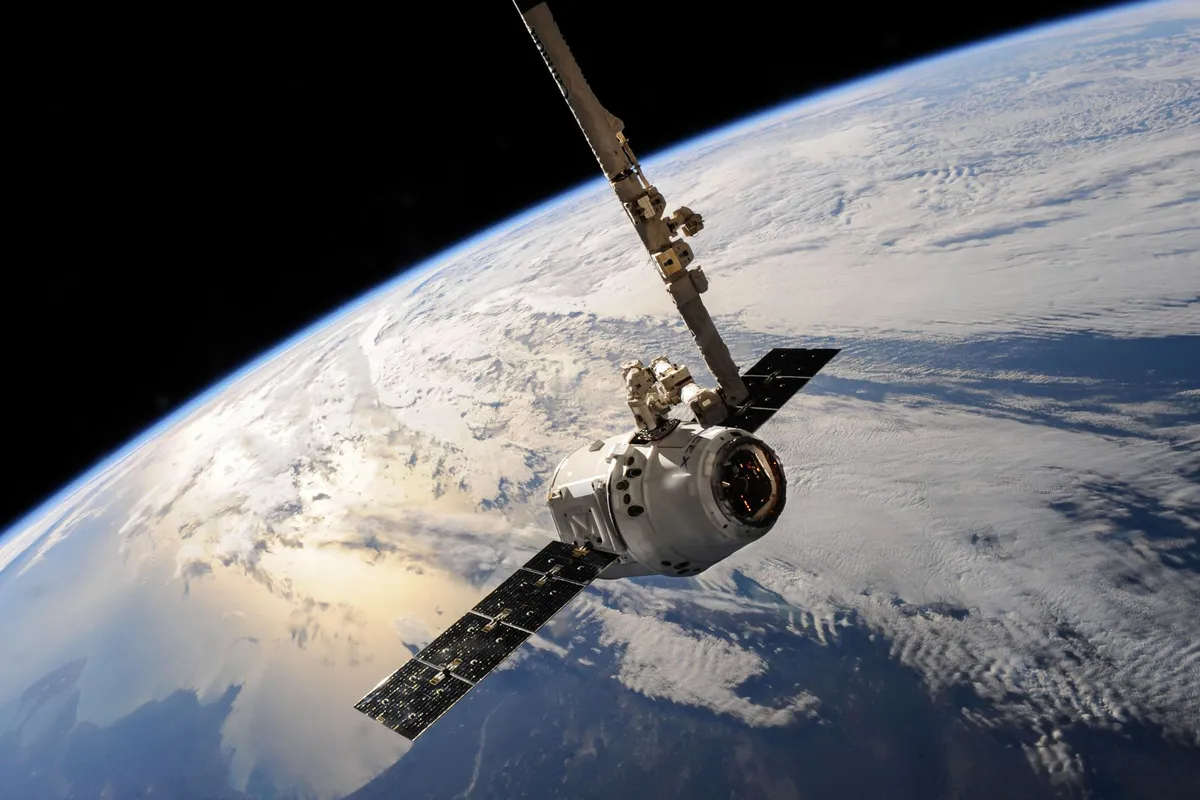
Launched from Cape Canaveral Space Force Station, the MRV is part of a larger mission that includes three Mission Extension Pods (MEPs). These pods, designed to enhance the propulsion capabilities of aging satellites, will be maneuvering to their designated geosynchronous orbits over the next year. Once the MRV and its pods are operational, they will provide critical support for a range of satellites, including civilian communications and military platforms.
The MRV's development is a collaboration between Northrop Grumman and the Defense Advanced Research Projects Agency (DARPA), with a combined investment exceeding $420 million. This partnership merges Northrop Grumman's expertise in satellite servicing with DARPA's commitment to advancing space technology through innovative robotics.
Technological Innovations
The MRV integrates cutting-edge technology designed to meet stringent reliability standards. Key features include:
- Dual Robotic Arms: These arms allow for more complex operations, including simultaneous tasks, which enhance efficiency during servicing missions.
- Autonomous Capabilities: The MRV can autonomously approach and inspect client satellites, allowing for real-time decision-making without the delays of ground control.
- Advanced Sensors: Equipped with high-resolution cameras and sensors, the MRV can gather critical data necessary for assessing satellite conditions and planning interventions.
- Mission Extension Pods: Each pod can provide propulsion support for up to eight years, effectively acting as a 'jetpack' for satellites.
Military and Strategic Implications
The MRV is not just a commercial endeavor; it has significant military implications. With geopolitical tensions rising, particularly concerning space capabilities, the MRV provides the U.S. Space Force with a strategic advantage. As noted by General Stephen Whiting, the head of U.S. Space Command, adversaries like China are developing maneuverable satellites that pose potential threats to U.S. assets in orbit. The MRV's ability to service and enhance satellite capabilities could serve as a deterrent against hostile actions in space.
The MRV is designed to work on satellites that lack the infrastructure for servicing, making it versatile for both commercial and military applications. This capability could greatly enhance the resilience of U.S. satellite operations, ensuring they remain functional and secure in a contested domain.
Comparative Developments in Space Servicing
China has made significant strides in satellite servicing, launching its own robotic capabilities with missions like the Shijian-21, which demonstrated satellite refueling and deorbiting operations. However, the MRV's advanced capabilities, including its dual robotic arms and autonomous operations, position it as a leader in the field. The U.S. military's interest and investment in this technology reflect a broader strategy to maintain dominance in space.
Future of Satellite Servicing
The MRV represents a turning point in how we perceive satellite life cycles. Traditional models often led to satellites being decommissioned once their fuel ran out or they became obsolete. However, with advancements in servicing technologies, satellites can now be maintained and upgraded in orbit, extending their operational lifespans significantly. This shift could lead to:
- Cost Savings: By prolonging the life of existing assets, operators can reduce the need for expensive new satellite launches.
- Increased Innovation: The ability to upgrade satellites in orbit could foster rapid advancements in satellite technology.
- Enhanced Mission Flexibility: Operators can adapt their satellite capabilities to meet changing demands without launching entirely new systems.
Key Takeaways
- The Mission Robotic Vehicle is the most advanced satellite servicing platform to date, set to revolutionize satellite maintenance.
- It features dual robotic arms and autonomous capabilities, allowing it to inspect, upgrade, and service satellites without requiring prior modifications.
- The MRV has significant military applications, providing the U.S. with strategic advantages in space amidst rising geopolitical tensions.
- As servicing technology evolves, the traditional 'launch-and-abandon' model of satellite operations may become obsolete, leading to cost savings and innovation in satellite technology.
Frequently Asked Questions
What is the Mission Robotic Vehicle (MRV)?
The Mission Robotic Vehicle (MRV) is an advanced robotic servicing satellite developed by Northrop Grumman in collaboration with DARPA. Launched aboard a SpaceX Falcon 9 rocket, the MRV is equipped with dual robotic arms and is designed to service, inspect, and upgrade satellites in geosynchronous orbit, significantly extending their operational lifespans.
How does the MRV enhance military capabilities in space?
The MRV's ability to service and upgrade satellites provides the U.S. military with a strategic advantage in space. As adversaries develop their own maneuverable satellites, the MRV ensures U.S. satellite assets remain functional and resilient, serving as a deterrent against potential threats in the increasingly contested space environment.
What are the implications of on-orbit satellite servicing?
On-orbit satellite servicing could revolutionize the satellite industry by shifting from a 'launch-and-abandon' model to one where satellites are maintained and upgraded in space. This evolution could lead to significant cost savings, increased innovation, and enhanced mission flexibility, allowing operators to adapt their capabilities to meet new demands without launching new satellites.
Comments
Power Line Failure Reveals Critical Issues in AI Data Center Infrastructure
A recent incident involving a power line failure in Northern Virginia has shed light on the vulnerabilities of AI data centers and their impact on the electrical grid. This article explores the growing challenges data centers face and innovative solutions being developed to ensure stability.
Related articles

Popular in Cloud Computing
- SK Hynix's Historic $26.5 Billion IPO: A New Era for Memory Chips
- Kubernetes and the Future of Desktop Infrastructure: A Paradigm Shift
- Amazon Expands Partnership with Nvidia, Tripling GPU Orders Amid AI Demand Surge
- Elon Musk's Evolving Relationship with Anthropic: A New Era for AI Hosting
- Emerging Rocket Launches: A New Era for Space Exploration