Meta's Shift to Natural Gas: A Controversial Move in Clean Energy
Meta's recent departure from the RE100 initiative raises questions about its commitment to renewable energy amid a significant investment in natural gas power. This article explores the implications of this shift on the tech industry and the environment.

In a surprising turn of events, Meta Platforms Inc., the tech giant previously celebrated for its ambitious environmental goals, has withdrawn from the RE100 initiative, which aims to unite companies in their commitment to 100% renewable energy. This departure has raised eyebrows, particularly as Meta accelerates its investment in natural gas power generation. With a focus on supporting its AI data centers that demand immense power, Meta's decision begs a critical question: How does the company reconcile its growing reliance on fossil fuels with its long-standing claims of pursuing sustainable practices?
Over the past year, Meta has funded the construction of at least a dozen natural gas power plants, including a single project projected to generate enough electricity to meet the entire energy needs of South Dakota. This shift from renewable energy investments to fossil fuels marks a significant pivot in Meta's energy strategy, drawing attention from environmental advocates and industry analysts alike.
Meta's Energy Strategy: Building on Natural Gas
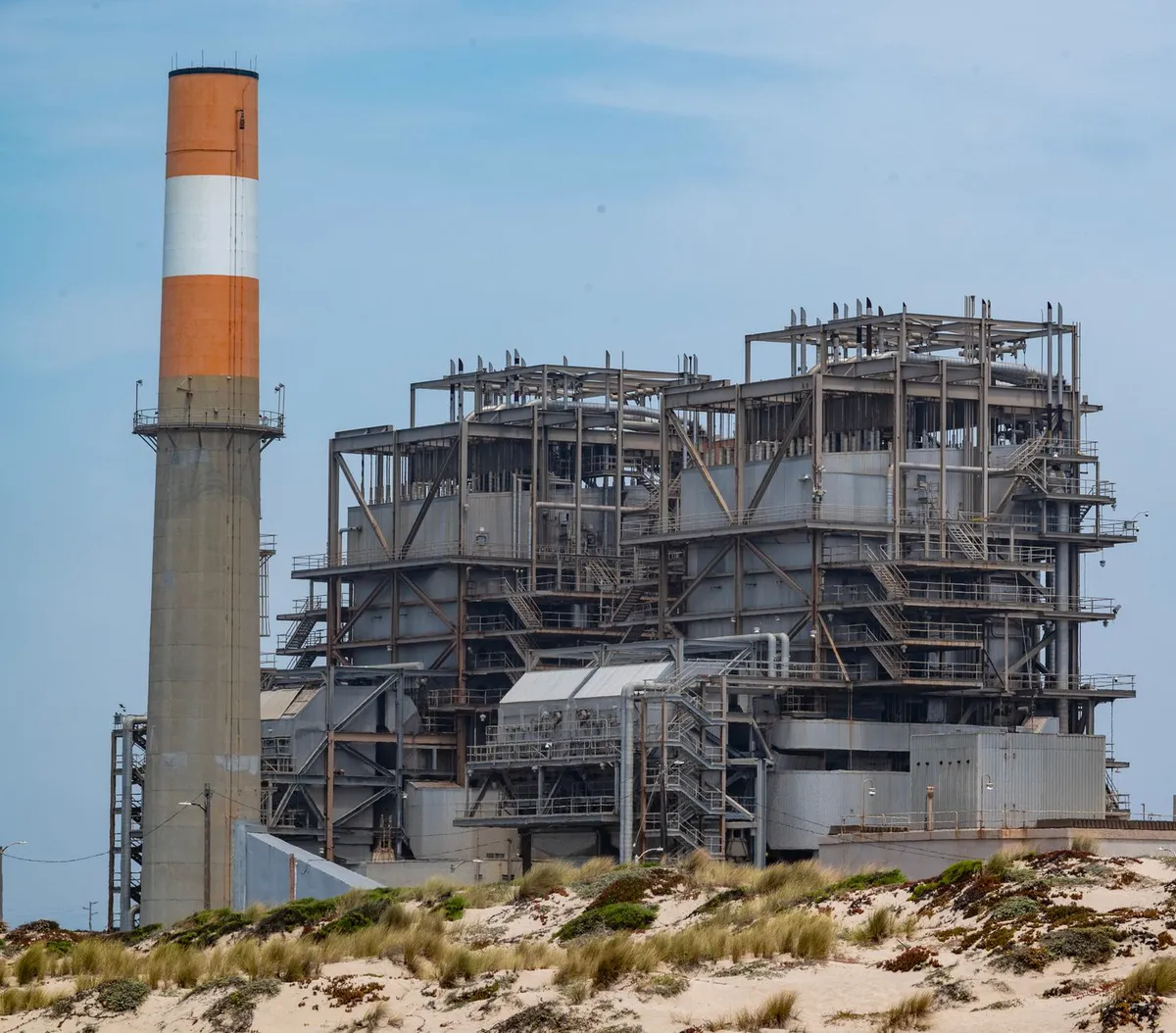
Meta's foray into natural gas began with a 200-megawatt power plant in Ohio, which is designed to support one of its data centers. The company subsequently announced plans to build three additional large natural gas power plants in Louisiana to provide energy for its Hyperion data center. Further expanding its footprint in fossil fuels, Meta revealed plans for seven more natural gas plants for the same project, totaling ten facilities that will collectively generate a staggering 7.5 gigawatts of electricity.
This level of energy production is not trivial; it is enough to power a state like South Dakota, indicating the scale at which Meta is operating. However, while natural gas burns cleaner than coal, it is still a fossil fuel that emits pollutants including nitrogen oxides, particulate matter, and carbon monoxide. For example, a single 1-gigawatt data center powered entirely by natural gas can produce:
- 438 metric tons of nitrogen oxides
- 149 metric tons of fine particulate matter
- 61 metric tons of sulfur oxides
- 298 metric tons of carbon monoxide
These emissions contribute to a variety of health issues, including respiratory diseases, cardiovascular problems, and even cancer.
Understanding RE100 and Meta's Departure
The RE100 initiative, established by the Climate Group and co-founded by former UK Prime Minister Tony Blair, represents a collective of businesses committed to sourcing 100% of their electricity from renewable sources. Meta's exit from this initiative after a decade of membership raises questions about the company's transparency and intentions in the face of its growing fossil fuel investments. While Meta has stated that its departure was mutual, the timing is conspicuous given its recent announcements regarding natural gas plants.
In recent months, the Climate Group has updated its guidelines to enforce stricter reporting standards for companies regarding their progress toward renewable energy goals. Meta previously set ambitious targets to operate entirely on renewable electricity by 2020, a target it has failed to meet. Now, with its renewed focus on natural gas, Meta's strategy seems at odds with the commitments it once made as part of RE100.
Implications for the Tech Industry
Meta's pivot to natural gas isn't an isolated incident; other tech giants like Google and Microsoft have also invested in fossil fuel projects. However, Meta's approach stands out due to the scale of its natural gas buildout. This trend raises broader questions about the tech industry's role in climate change and its responsibility in addressing environmental impacts.
While many companies are moving toward renewable energy solutions, Meta's significant investment in natural gas highlights a potential backlash against the strictures of renewable energy commitments. As companies like Microsoft strive for more rigorous matching of their energy consumption with renewable sources, Meta's reliance on fossil fuels appears increasingly outdated.
Balancing Commitment and Reality
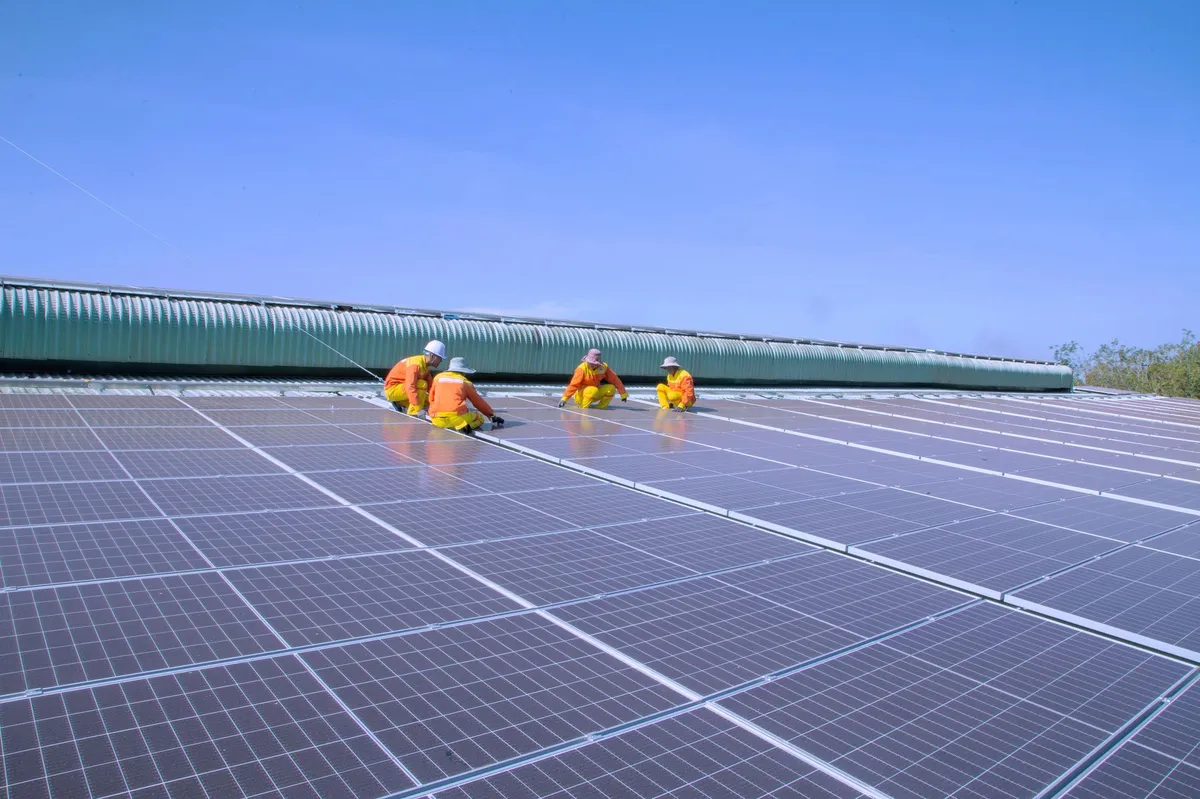
Despite its natural gas investments, Meta maintains that it is committed to matching its data center electricity usage with 100% clean and renewable energy. However, this claim raises eyebrows as the company can still achieve this designation through the purchase of environmental attribute certificates. For instance, Meta could invest in a solar farm in Arizona while operating a data center in Ohio, counting the renewable energy generated as offsets for its fossil fuel use.
This approach, while technically compliant with renewable energy goals, has been criticized for lacking genuine impact. Most companies in the tech sector are tackling their renewable power goals through annual matching, but a few are pushing for hourly matching to ensure their energy consumption aligns more closely with real-time renewable energy production. This model encourages investments in projects that integrate renewable energy with energy storage solutions, as seen with Google's recent initiatives in Minnesota.
Market Reactions and Future Considerations
The market's response to Meta's shift may be mixed. On one hand, investors may see the expansion into natural gas as a pragmatic decision to meet the immediate energy demands of its AI-driven business model. On the other hand, environmental advocates and consumers increasingly expect transparency and accountability from corporations regarding their sustainability efforts.
As Meta continues its buildout of natural gas facilities, it may face backlash from stakeholders who prioritize environmental stewardship. This could lead to reputational risks and potential regulatory scrutiny as governments around the world tighten their climate policies in response to the escalating climate crisis.

Key Takeaways
- Meta has exited the RE100 initiative, raising questions about its commitment to renewable energy.
- The company is investing heavily in natural gas power generation, with plans for multiple power plants.
- Natural gas, while cleaner than coal, still produces significant pollutants affecting public health.
- Meta's approach to renewable energy includes purchasing environmental attribute certificates, which some critics argue lacks genuine impact.
- The tech industry faces increasing pressure to align energy consumption with renewable production more effectively.
Frequently Asked Questions
Why did Meta leave the RE100 initiative?
Meta's departure from the RE100 initiative comes at a time when the company is significantly increasing its investments in natural gas power generation. The company indicated that the decision was mutual, but it raises concerns about its commitment to previously stated renewable energy goals, particularly as the Climate Group has introduced stricter reporting guidelines for companies in the initiative.
How does natural gas affect the environment compared to renewable energy?
Natural gas is often touted as a cleaner alternative to coal and oil, as it produces fewer greenhouse gas emissions when burned. However, it still emits significant amounts of pollutants, including nitrogen oxides and particulate matter, which can harm air quality and public health. In contrast, renewable energy sources like solar and wind do not produce direct emissions during operation, making them a more sustainable choice in the long run.
What are environmental attribute certificates, and how do they work?
Environmental attribute certificates are tradable commodities that represent the environmental benefits of renewable energy generation. Companies can purchase these certificates to offset their fossil fuel usage by investing in renewable energy projects elsewhere. For example, a company could operate a fossil-fuel-powered facility but still claim to be 100% renewable by purchasing enough certificates to match its energy consumption with renewable sources.
What does the future hold for Meta's energy strategy?
The future of Meta's energy strategy remains uncertain, especially as public scrutiny and regulatory pressures surrounding environmental policies increase. While the company has committed to matching its data center electricity usage with renewable energy, its significant investments in natural gas could lead to reputational risks and challenges in aligning with the growing demand for sustainable corporate practices.
Comments
AMD's Helios AI Rack: A Game Changer for AI Infrastructure
AMD is set to challenge Nvidia's dominance in AI hardware with its new Helios AI rack-scale system, aimed at powering the world's largest AI labs. With significant partnerships and advanced technology, AMD is redefining the landscape of AI computing.

Related articles


Popular in Cloud Computing
- SK Hynix's Historic $26.5 Billion IPO: A New Era for Memory Chips
- Kubernetes and the Future of Desktop Infrastructure: A Paradigm Shift
- Amazon Expands Partnership with Nvidia, Tripling GPU Orders Amid AI Demand Surge
- Elon Musk's Evolving Relationship with Anthropic: A New Era for AI Hosting
- Emerging Rocket Launches: A New Era for Space Exploration