AMD's Helios AI Rack: A Game Changer for AI Infrastructure
AMD is set to challenge Nvidia's dominance in AI hardware with its new Helios AI rack-scale system, aimed at powering the world's largest AI labs. With significant partnerships and advanced technology, AMD is redefining the landscape of AI computing.
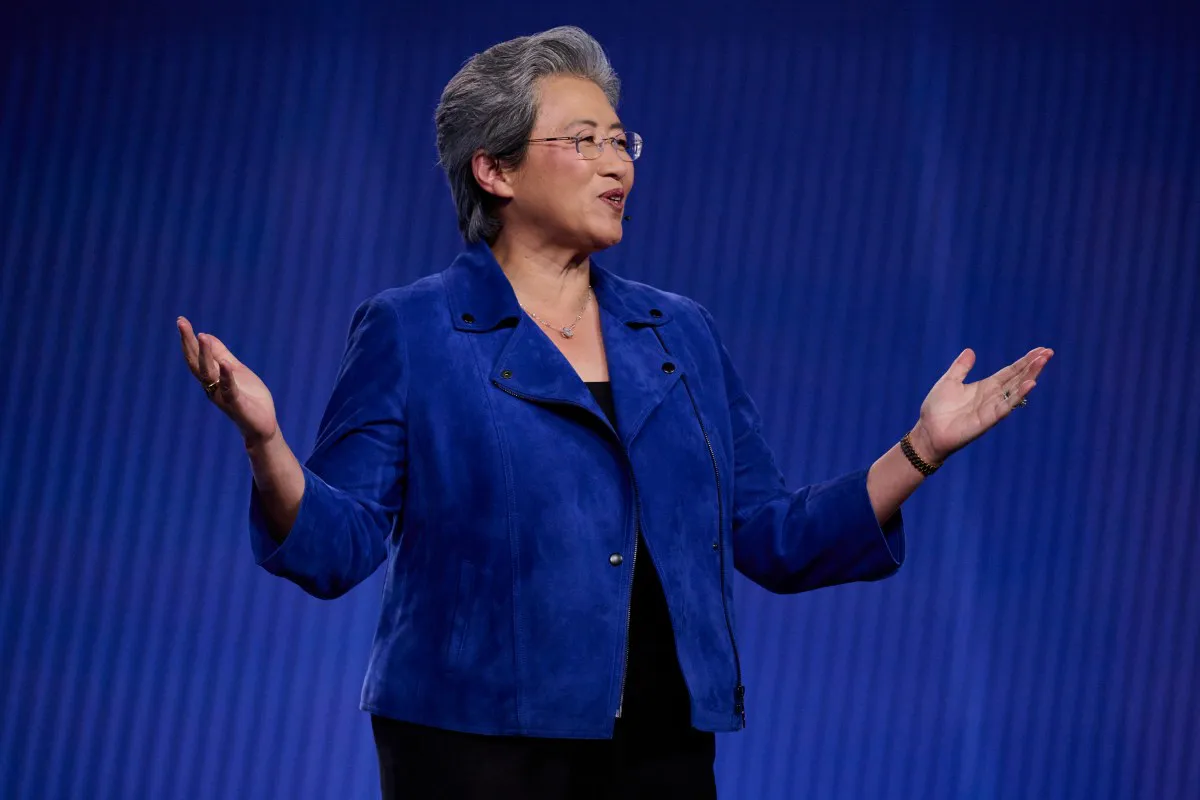
In a bold move to disrupt the AI hardware market, AMD has unveiled its Helios AI rack-scale system at the recently held Advancing AI conference in San Francisco. This cutting-edge technology is designed to meet the escalating computing demands of the world’s largest AI laboratories and companies. With a growing list of high-profile clients, including Microsoft and OpenAI, AMD is positioning itself as a formidable competitor to Nvidia, a company that has historically dominated this space.
AMD's Chair and CEO, Dr. Lisa Su, emphasized the significance of this launch, describing Helios as the "highest-performance AI rack" available in the tech industry today. This assertion is backed by the system's ability to handle the most demanding AI models at an unprecedented scale, marking a pivotal shift in how AI workloads are managed in data centers.
Understanding the Helios AI Rack System
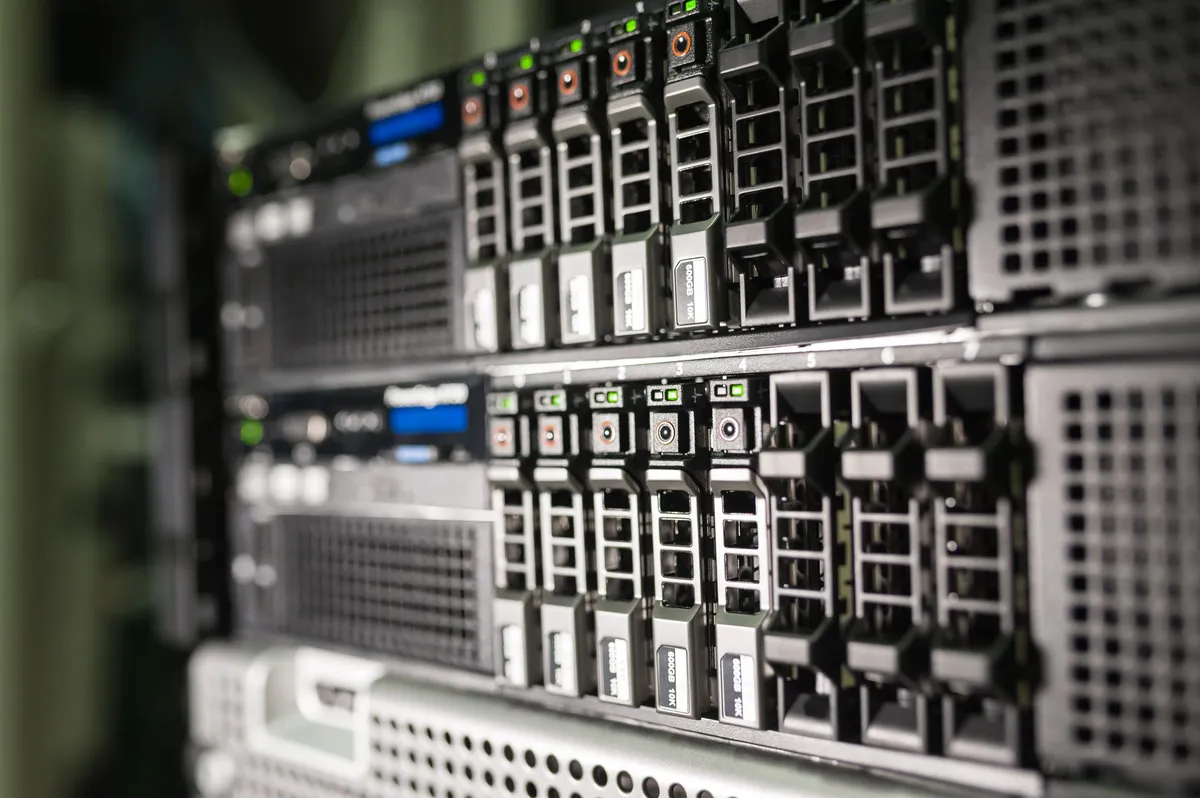
At its core, the Helios AI rack is engineered to integrate numerous processors into a single, robust unit, optimized for intense computational tasks such as training and running AI models. This architecture is particularly suited for data centers where performance and scalability are paramount.
Key Features and Specifications
Helios boasts several key features that set it apart from existing solutions:
- Massive Scalability: Capable of operating at gigawatt scale, Helios is designed for the largest AI workloads.
- High Performance: The system reportedly surpasses Nvidia's Vera Rubin in several performance metrics, showcasing AMD's commitment to competing at the highest level.
- Strategic Partnerships: Collaborations with industry leaders like Microsoft and Anthropic indicate strong market validation and potential for widespread adoption.
- Next-Gen Processing: The introduction of AMD's Venice-X CPU, expected to launch in 2027, further complements the Helios system.

The Competitive Landscape: AMD vs. Nvidia
Nvidia has long held the upper hand in the AI hardware market, thanks to its innovative rack-scale systems like Vera Rubin and Grace Blackwell. However, AMD's Helios aims to shift this dynamic by delivering comparable or superior performance metrics. This rivalry is significant, as the demand for AI computing power is surging across various sectors.
Market Implications
The announcement of Helios comes at a time when the AI accelerator market is projected to explode. Dr. Su highlighted that by 2030, this market could reach approximately $1.4 trillion, potentially rivaling the size of today's entire semiconductor market. This growth is primarily driven by the increasing complexity of AI models and the computational resources required to run them efficiently.
Future Trends in AI Computing
As AI continues to evolve, the demand for robust computing solutions will only intensify. Dr. Su noted that the rise of agentic AI—AI systems capable of reasoning and executing multiple tasks—will necessitate more powerful GPU resources. This ongoing evolution will push the boundaries of what AI can accomplish, presenting both opportunities and challenges for hardware manufacturers.
Emerging Workloads and Programmability
The AI landscape is still maturing, with algorithms and workloads evolving rapidly. The flexibility and programmability of hardware like Helios will be crucial in adapting to these changes. AMD's strategy to focus on GPU dominance aligns with these trends, as GPUs are expected to remain the backbone of AI computing.
Key Takeaways
- AMD's Helios AI rack is designed for high-performance AI computing, competing directly with Nvidia.
- Strategic partnerships with major tech companies enhance Helios's market credibility.
- The AI accelerator market is projected to reach $1.4 trillion by 2030, driven by increasing demand.
- Future AI workloads will require more powerful and flexible hardware solutions.
Frequently Asked Questions
What is the Helios AI rack system?
The Helios AI rack system is AMD's latest hardware offering designed to meet the demanding computational needs of large-scale AI workloads. It integrates multiple processors into a high-performance unit that can operate at gigawatt scale, making it suitable for the world’s largest AI labs.
How does Helios compare to Nvidia's offerings?
AMD's Helios is positioned as a direct competitor to Nvidia's rack-scale systems, claiming superior performance metrics in several areas. While Nvidia has historically led this market, Helios aims to disrupt this dominance by providing high-performance capabilities that cater to the evolving demands of AI computing.
What are the implications of AMD's new partnerships?
Partnerships with major industry players like Microsoft and OpenAI validate the Helios system's potential and market readiness. These collaborations indicate that Helios will likely see rapid adoption, impacting the competitive dynamics within the AI hardware landscape.
What does the future hold for AI computing?
The future of AI computing is poised for significant transformation, with projections indicating that the AI accelerator market could reach $1.4 trillion by 2030. As AI workloads become more complex, the demand for powerful, flexible computing solutions like Helios will continue to grow, driving innovation and competition in the tech industry.
Comments
Meta's Shift to Natural Gas: A Controversial Move in Clean Energy
Meta's recent departure from the RE100 initiative raises questions about its commitment to renewable energy amid a significant investment in natural gas power. This article explores the implications of this shift on the tech industry and the environment.

Related articles

Popular in Cloud Computing
- SK Hynix's Historic $26.5 Billion IPO: A New Era for Memory Chips
- Kubernetes and the Future of Desktop Infrastructure: A Paradigm Shift
- Amazon Expands Partnership with Nvidia, Tripling GPU Orders Amid AI Demand Surge
- Elon Musk's Evolving Relationship with Anthropic: A New Era for AI Hosting
- Emerging Rocket Launches: A New Era for Space Exploration