Ford and Apple Join Forces to Revolutionize Electric Vehicles
Ford's partnership with Apple marks a pivotal moment in the EV landscape, integrating advanced mapping technology into next-gen vehicles. Explore how this collaboration will shape the future of electric mobility.
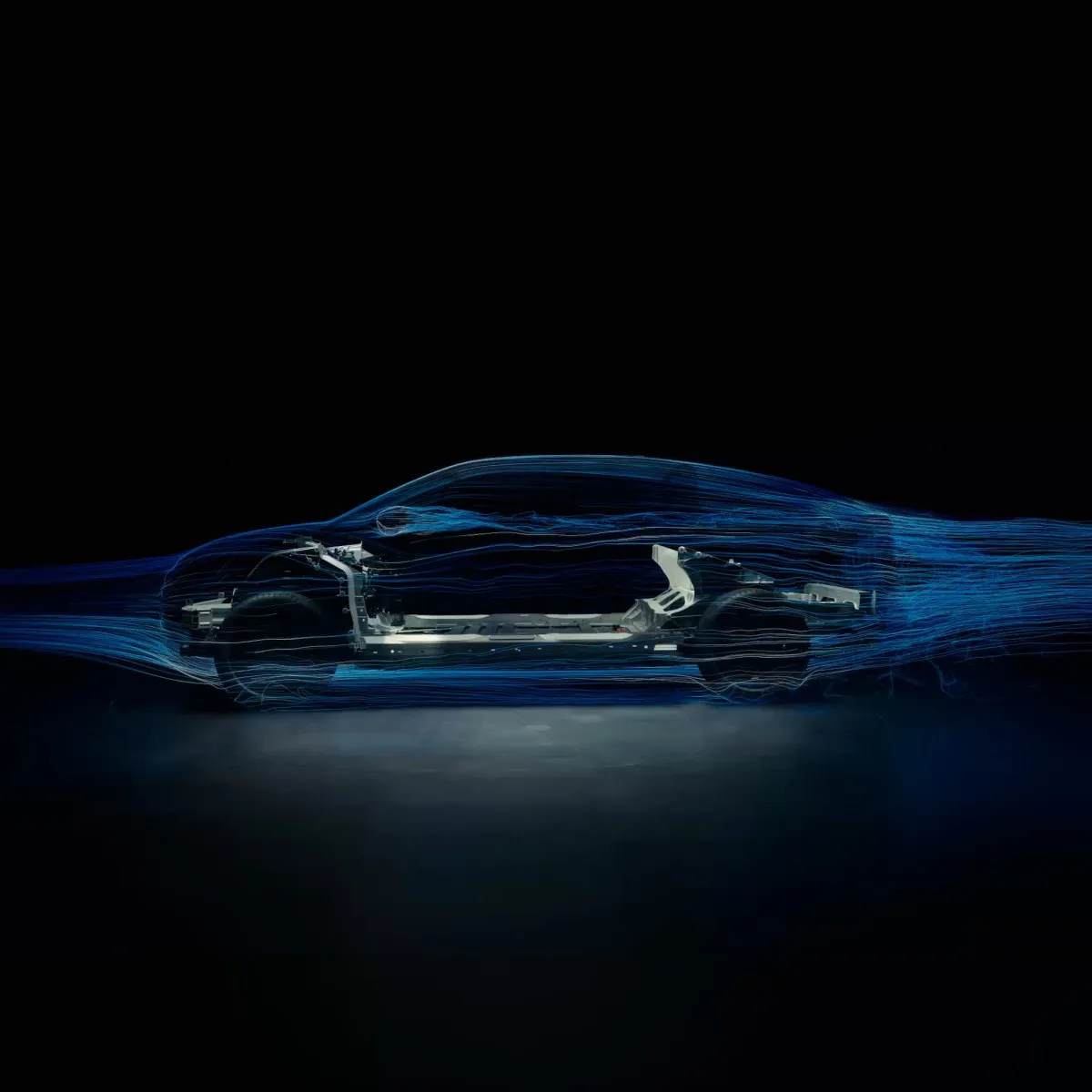
The automotive industry is witnessing a seismic shift as traditional automakers pivot towards electrification, and Ford is at the forefront of this transformation. In a groundbreaking partnership with Apple, Ford is set to integrate Apple's advanced mapping technology into its next generation of electric vehicles (EVs). This collaboration is not only about enhancing navigation systems but also about reimagining how drivers interact with their vehicles. With the introduction of Ford's new line of EVs, starting with a $30,000 midsize truck in 2027, the implications for consumers and the auto industry are profound.
At the heart of this partnership is Apple’s new developer toolkit, MapKit for Automotive, which allows automakers to embed Apple Maps directly into their vehicles' infotainment systems. This integration is designed to deliver a more responsive and intuitive driving experience, particularly for electric vehicle owners who require precise and efficient routing. As Ford redefines its vehicle platforms, the collaboration with Apple represents a strategic move to attract tech-savvy consumers and position itself as a leader in the rapidly evolving EV market.
Ford's New Universal EV Platform
Ford's approach to its new lineup of electric vehicles is revolutionary in itself. The company is moving away from traditional vehicle architectures by introducing a universal EV platform (UEV). This platform will serve as the foundation for a diverse range of vehicles, including a midsize truck, sedan, crossover, three-row SUV, and small commercial vans. By utilizing this unified platform, Ford aims to streamline production processes, reduce costs, and accelerate time-to-market for its electric offerings.
Key Features of the UEV Platform
- Single-Piece Aluminum Unicastings: These large components are manufactured as one piece, reducing the number of individual parts and facilitating quicker assembly.
- Battery Efficiency: The platform is designed with advanced battery management systems to optimize performance and range.
- Modular Design: The UEV allows Ford to easily adapt the platform for various vehicle types, enhancing flexibility in production.
This innovative approach not only enhances manufacturing efficiency but also aligns with the growing consumer demand for affordable yet high-tech electric vehicles. As Ford prepares to roll out this new platform, it is clear that the automaker is committed to making electric mobility accessible to a broader audience.
Integration of Apple Maps: A Game Changer
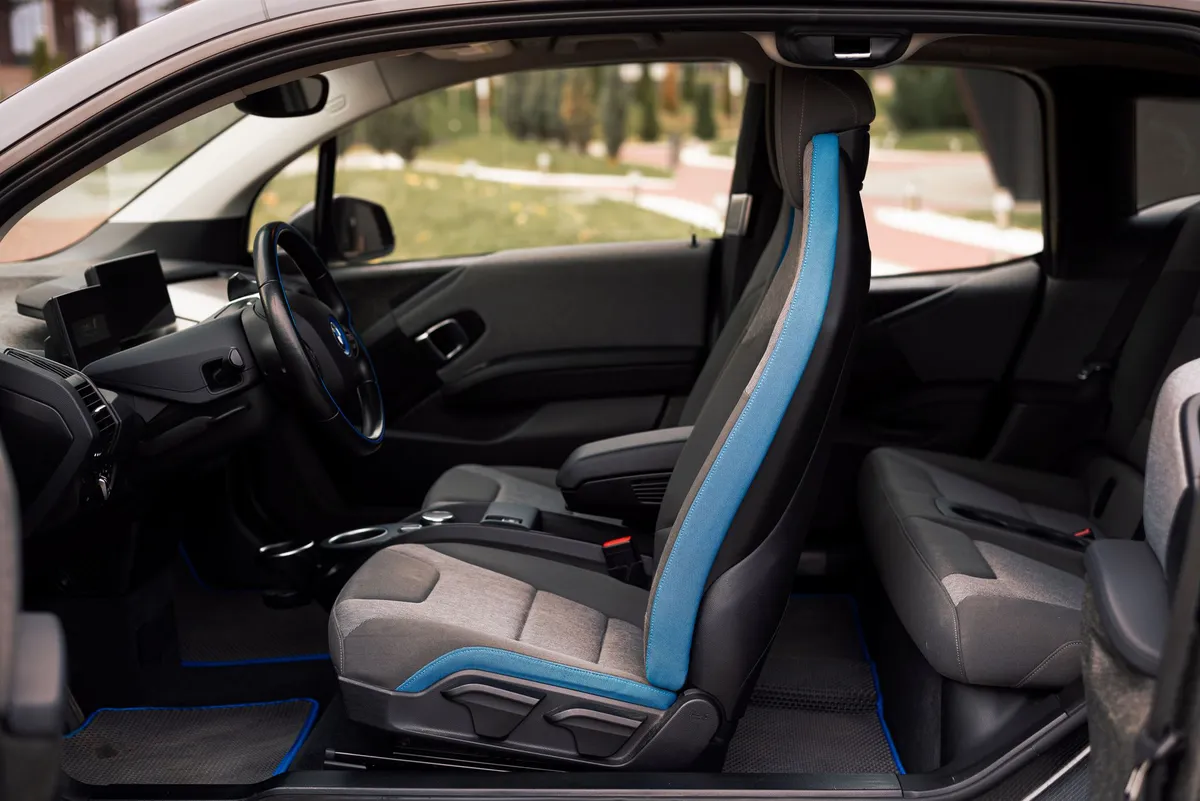
The integration of Apple Maps into Ford's infotainment systems is a significant milestone that promises to redefine navigation for electric vehicles. Unlike traditional navigation systems that often rely on outdated data, the Apple Maps integration will provide real-time traffic updates, efficient routing, and detailed information about points of interest. This is particularly advantageous for EV drivers, who require optimized routing to manage battery life and charging station availability.
Enhanced Driving Experience
Some of the standout features of this integration include:
- Natural Language Directions: Users will receive turn-by-turn navigation that feels conversational and intuitive.
- Smart Routing: The system will calculate routes based on current traffic conditions and the vehicle's battery status.
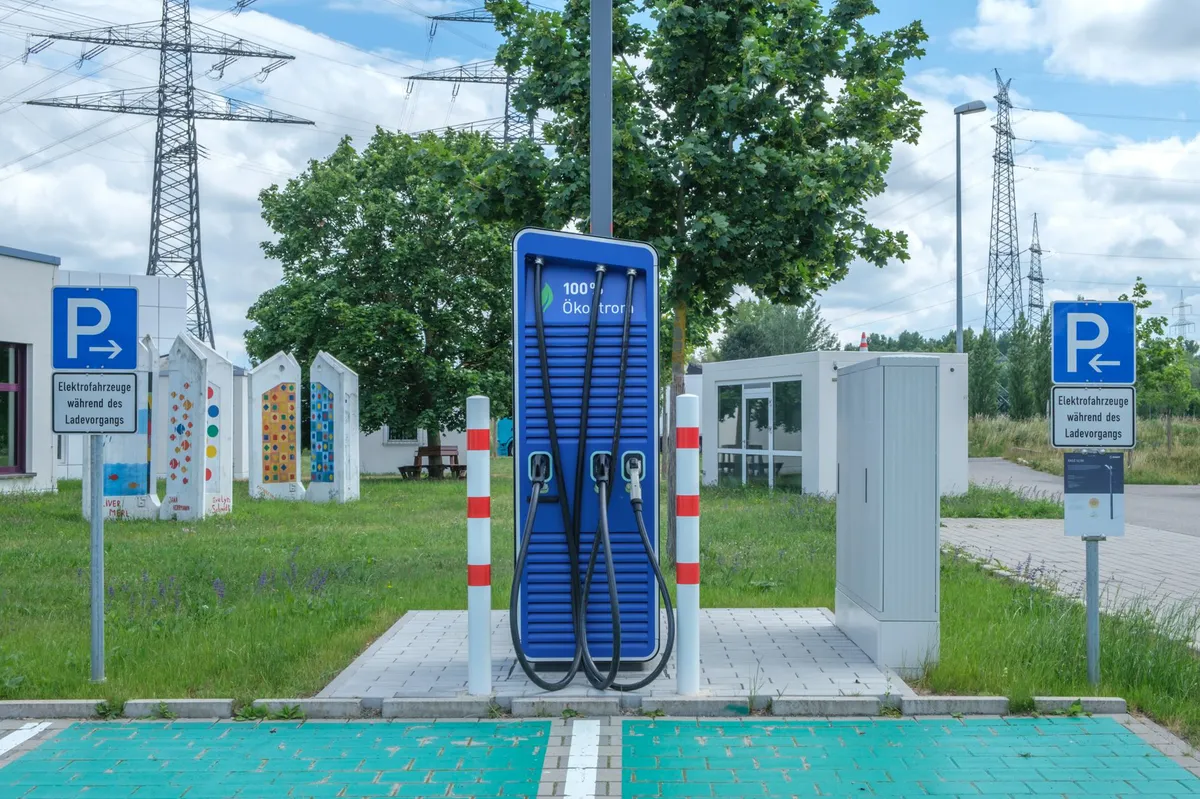
- Battery Preconditioning: This feature prepares the vehicle's battery for charging by ensuring it reaches optimal temperatures upon arrival at charging stations, significantly reducing charging times.
Moreover, the direct integration with Ford's next-generation BlueCruise system—a hands-free driver assistance technology—means that drivers will be able to enjoy a more seamless experience on the highway. The upgraded BlueCruise is expected to roll out in the coming year, offering a level of autonomy that rivals Tesla’s Full Self-Driving capabilities. Ford aims to progress from supervised driving to fully autonomous capabilities by 2028, suggesting a future where drivers can relax during long journeys.
Implications for Commercial Fleets
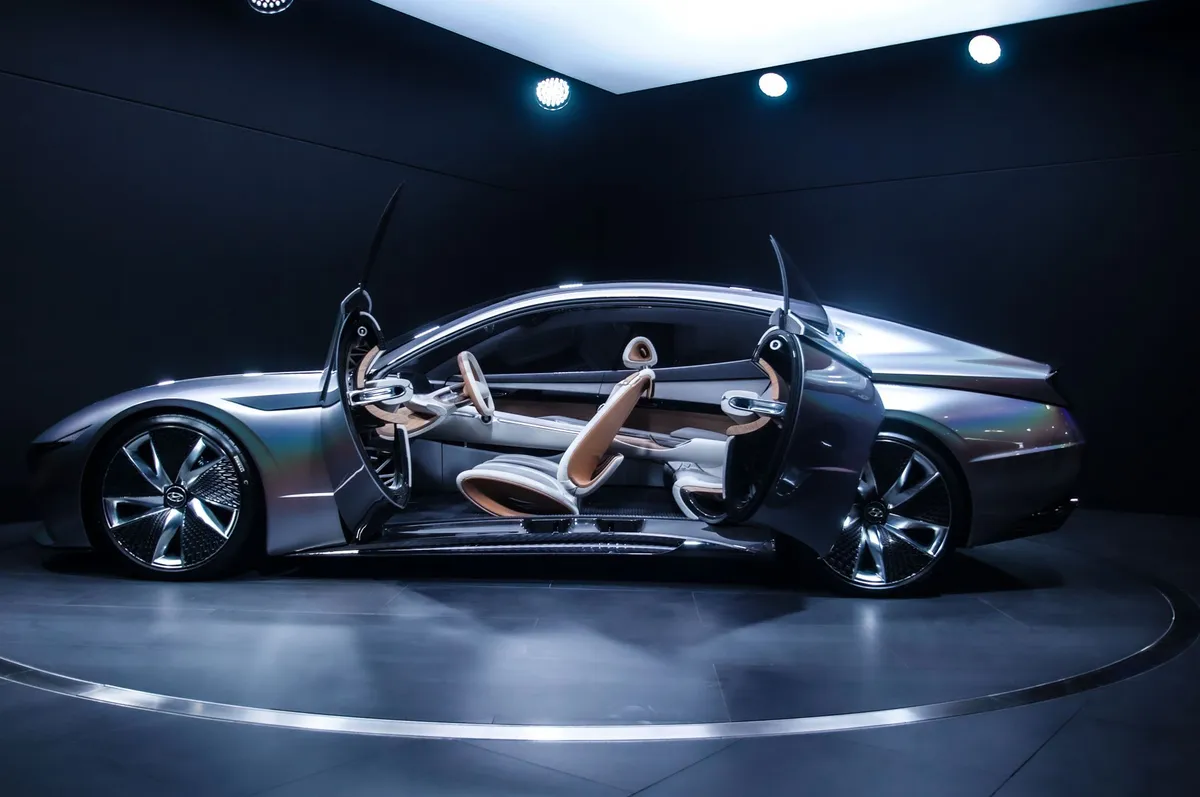
Ford's partnership with Apple is not limited to consumer vehicles; it also holds significant implications for the company's commercial fleet services. Ford Pro, the automaker's initiative targeting commercial customers, stands to benefit from the embedded mapping technology in several ways. Businesses can leverage the advanced routing capabilities to optimize their logistics, enhance fleet management, and improve overall operational efficiency.
Potential Benefits for Businesses
- Improved Fleet Routing: Businesses can direct drivers to job sites more efficiently, reducing fuel consumption and increasing productivity.
- Enhanced Vehicle Tracking: Fleet managers can visualize all vehicles on a single map, making it easier to coordinate operations.
- Integration with Smart Home Technology: Features such as opening garage doors or activating home security systems as a driver approaches home can streamline daily routines for those in commercial sectors.
This integration not only caters to the needs of individual consumers but also establishes Ford as a significant player in the commercial EV market. With the growing emphasis on sustainability and operational efficiency, businesses are increasingly looking for solutions that align with these goals.
Looking Ahead: The Future of Ford and Apple
The collaboration between Ford and Apple is poised to set a new standard in the automotive industry. By prioritizing technology integration and user experience, both companies are positioned to attract a new generation of drivers who prioritize connectivity and sustainability. As the automotive landscape continues to evolve, Ford's commitment to its universal EV platform, coupled with Apple's innovative mapping technologies, marks a significant step towards the future of electric mobility.
Furthermore, as more automakers explore similar partnerships, the competition in the EV market will likely intensify, driving innovation and improvements in technology that benefit consumers. The implications of this partnership extend beyond just Ford and Apple; they may shape the future direction of the automotive industry as a whole, emphasizing the importance of tech integration and user-centric design.
Key Takeaways
- Ford is launching a new line of affordable EVs starting with a $30,000 midsize truck in 2027.
- The partnership with Apple includes integrating Apple Maps into Ford's infotainment systems for advanced navigation features.
- Ford's universal EV platform aims to streamline production and reduce costs across various vehicle types.
- The integration enhances both consumer and commercial fleet experiences, optimizing routing and operational efficiency.
- Future advancements may lead to fully autonomous driving capabilities by 2028.
Frequently Asked Questions
What is the significance of Ford's partnership with Apple?
Ford's partnership with Apple signifies a strategic move towards integrating cutting-edge technology into electric vehicles. By embedding Apple Maps into its infotainment systems, Ford aims to enhance navigation and driving experiences for consumers, making EVs more appealing and user-friendly. This collaboration also highlights the automotive industry's shift towards collaboration with tech companies to meet evolving consumer expectations.
How will the new UEV platform affect vehicle production?
The universal EV platform developed by Ford is designed to streamline the production process by allowing multiple vehicle types to share the same foundational architecture. This modularity enables Ford to reduce manufacturing costs and time while increasing flexibility in adapting to market demands. As a result, the company can bring electric vehicles to market more rapidly and efficiently.
What are the benefits of battery preconditioning for EVs?
Battery preconditioning is a feature that optimizes the battery's temperature before it reaches a charging station, which can significantly reduce charging times. By ensuring that the battery is at its ideal temperature for charging, drivers can replenish their EVs more quickly and efficiently, which is especially beneficial on long trips where charging station access may be limited.
How will this technology impact commercial fleets?
For commercial fleets, the integration of Apple Maps and advanced routing features will enhance logistical operations by improving vehicle tracking and optimizing routes. Businesses can expect increased productivity and reduced operational costs as drivers are directed to job sites more efficiently. This integration not only streamlines day-to-day operations but also aligns with the broader trend towards sustainable business practices in the transportation sector.
Comments
Meta's Shift to Natural Gas: A Controversial Move in Clean Energy
Meta's recent departure from the RE100 initiative raises questions about its commitment to renewable energy amid a significant investment in natural gas power. This article explores the implications of this shift on the tech industry and the environment.

Related articles


Popular in Cloud Computing
- SK Hynix's Historic $26.5 Billion IPO: A New Era for Memory Chips
- Kubernetes and the Future of Desktop Infrastructure: A Paradigm Shift
- Amazon Expands Partnership with Nvidia, Tripling GPU Orders Amid AI Demand Surge
- Elon Musk's Evolving Relationship with Anthropic: A New Era for AI Hosting
- Emerging Rocket Launches: A New Era for Space Exploration