Mobileye Transitions Leadership Amid Push into Robotaxis and Robotics
Amnon Shashua, founder and CEO of Mobileye, is stepping down as the company pivots towards robotaxis and humanoid robotics. This article explores the implications of his departure and the future of Mobileye.
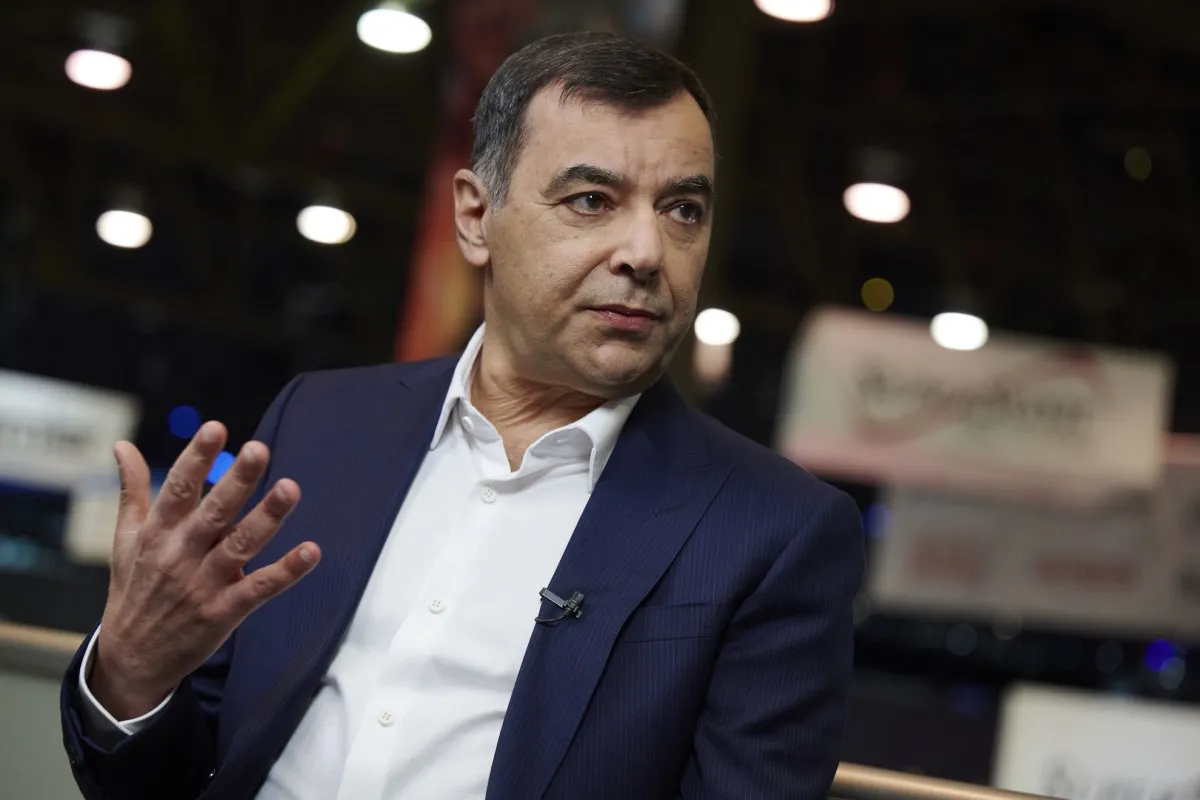
In a significant leadership transition, Amnon Shashua, the founder and CEO of Mobileye, has announced his decision to step down after nearly 30 years at the helm of the groundbreaking company. This announcement comes at a pivotal time as Mobileye is venturing into ambitious new territories, including the development of robotaxis and humanoid robots. Shashua will remain in his role until a suitable successor is appointed, ensuring a smooth transition amidst the company's evolving strategic direction.
Mobileye's journey began with Shashua's pioneering research at Hebrew University in Israel, focusing on computer vision technology. Over the years, the company has transformed into a key player in the automotive industry, supplying essential chips that power advanced driver-assistance systems (ADAS) and automotive safety features. The firm gained international attention with the largest initial public offering (IPO) in Israeli history and was acquired by Intel in 2017 for a staggering $15.3 billion. Although spun off as a publicly traded company in 2022, Intel remains its largest shareholder, illustrating the ongoing ties between the two tech giants.
Mobileye's Strategic Shift: From Chipmaker to Robotics Innovator
Under Shashua's leadership, Mobileye has expanded its scope beyond merely supplying chips to automakers. The company is now actively developing self-driving systems that are already being integrated into vehicles from major manufacturers, including Volkswagen and its MOIA subsidiary. This shift is aimed at positioning Mobileye as a holistic provider of autonomous driving solutions, rather than just a component supplier.
Focus on Robotics and AI Development
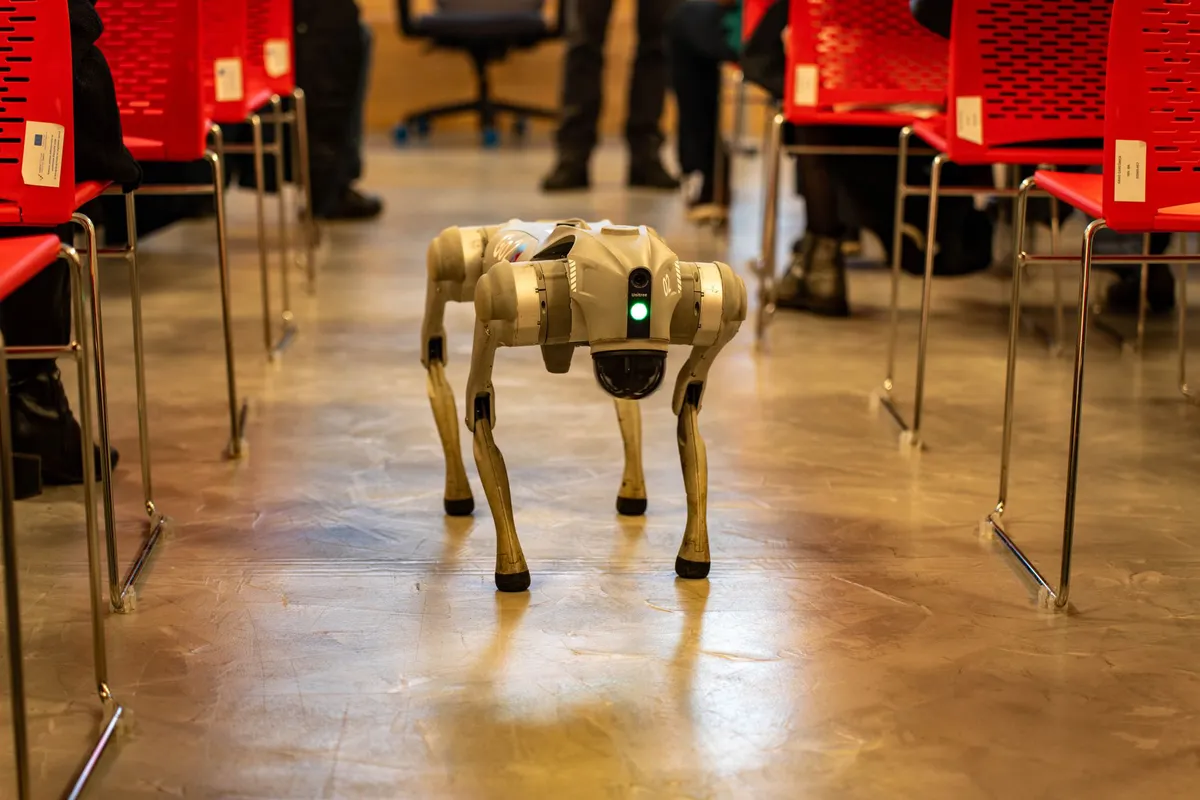
In January, Mobileye made headlines by acquiring Shashua's humanoid robotics startup, Mentee Robotics, for a notable $900 million. This acquisition is part of what Shashua terms “Mobileye 3.0,” a new phase for the company that emphasizes the intersection of robotics and automotive artificial intelligence (AI). The move signals Mobileye's ambition to diversify its offerings further and tap into the burgeoning robotics market, which is projected to grow significantly in the coming years.
Entering the Robotaxi Market
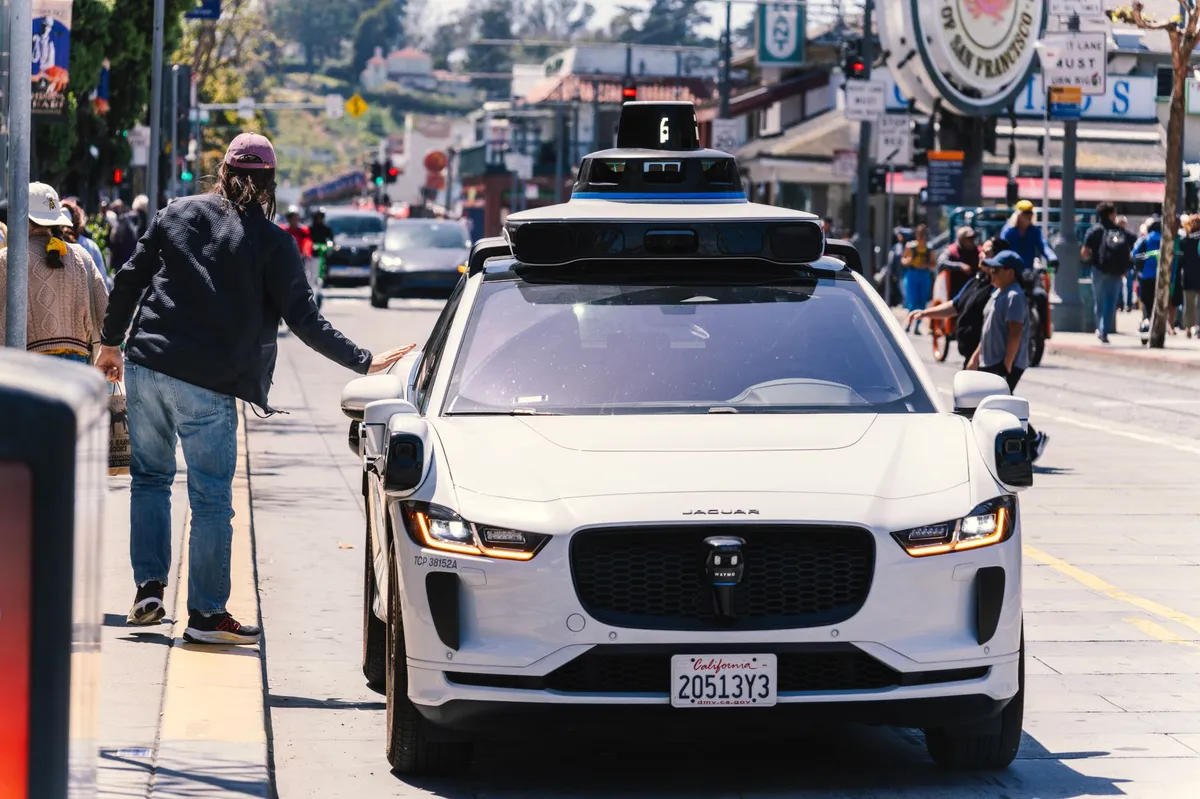
Mobileye is not only looking at robotic innovations but is also preparing to launch its own robotaxi service. The company has plans to debut this service in a U.S. city by 2027, marking a substantial leap from its traditional business model into the competitive landscape of autonomous ride-hailing solutions. This initiative is indicative of a broader industry trend where companies are racing to establish themselves in the emerging robotaxi market, which is expected to revolutionize urban transportation.
The Competitive Landscape
The autonomous vehicle ecosystem is rapidly evolving, with key players like Waymo, Cruise, and Tesla also vying for dominance in the robotaxi sector. Mobileye's entry into this market is particularly noteworthy given its deep expertise in computer vision and AI, which are critical components for safe and efficient autonomous driving. As regulations around self-driving technology continue to develop, the ability to effectively navigate these challenges will be crucial for Mobileye’s success in this new venture.
Market Implications and Future Outlook
Shashua's impending departure raises questions about Mobileye's future trajectory, especially as it embarks on these ambitious projects. The leadership transition could influence investor confidence and stakeholder perceptions. As the company positions itself at the forefront of AI-driven robotics and autonomous vehicles, it will need a leader who can not only maintain its technological edge but also inspire the workforce to embrace this new vision.
Investor Sentiment and Company Strategy
Investors will be closely monitoring how Mobileye navigates this leadership change. The company's stock performance post-IPO has shown volatility, influenced by broader market trends and the evolving landscape of technology investments. As Mobileye pushes forward with its plans, it will be critical for the new CEO to effectively communicate the company's strategy and vision, ensuring alignment with stakeholder expectations. This might include refining its approach to partnerships, R&D investment, and market entry strategies to bolster confidence among investors.

Key Takeaways
- Leadership Change: Amnon Shashua is stepping down as CEO of Mobileye, which may impact company strategy.
- Expansion into Robotics: The acquisition of Mentee Robotics indicates a strategic pivot towards robotics and AI.
- Robotaxi Plans: Mobileye aims to launch its own robotaxi service in a U.S. city by 2027.
- Investor Interest: The transition may affect investor sentiment and company valuation moving forward.
Frequently Asked Questions
What prompted Amnon Shashua's decision to step down?
While the exact reasons for Shashua's departure have not been publicly detailed, leadership transitions often occur during periods of significant organizational change. With Mobileye's aggressive expansion into robotics and autonomous driving, it is possible that Shashua felt it was time for a new leader to guide the company through this transformative phase.
How will Mobileye's focus on robotics affect its core business?
Mobileye's foray into robotics could complement its existing business by enhancing its capabilities in AI and machine learning. These advancements may improve the functionality of its automotive products, thereby increasing its competitive edge in the automotive safety and self-driving markets.
What challenges might Mobileye face in the robotaxi market?
Entering the robotaxi market presents challenges such as regulatory hurdles, competition from established players, and the technological complexities of ensuring safe autonomous operations. Mobileye will need to navigate these issues effectively to establish a successful service and gain consumer trust.
What can investors expect from Mobileye's future?
Investors should keep an eye on the leadership transition and how it influences Mobileye's strategic direction. The company's commitment to innovation in robotics and autonomous driving could provide growth opportunities, but it will also require careful management to align with shareholder interests and market demands.
Comments
Meta's Shift to Natural Gas: A Controversial Move in Clean Energy
Meta's recent departure from the RE100 initiative raises questions about its commitment to renewable energy amid a significant investment in natural gas power. This article explores the implications of this shift on the tech industry and the environment.
Related articles

Popular in Cloud Computing
- SK Hynix's Historic $26.5 Billion IPO: A New Era for Memory Chips
- Kubernetes and the Future of Desktop Infrastructure: A Paradigm Shift
- Amazon Expands Partnership with Nvidia, Tripling GPU Orders Amid AI Demand Surge
- Elon Musk's Evolving Relationship with Anthropic: A New Era for AI Hosting
- Emerging Rocket Launches: A New Era for Space Exploration