Tesla Expands Robotaxi Trials in Florida Ahead of Earnings Call
Tesla has launched its robotaxi pilot program in Orlando and Tampa, marking a significant step in its autonomous vehicle strategy. This expansion follows a previous trial in Miami and comes as the company prepares for its Q2 earnings report.
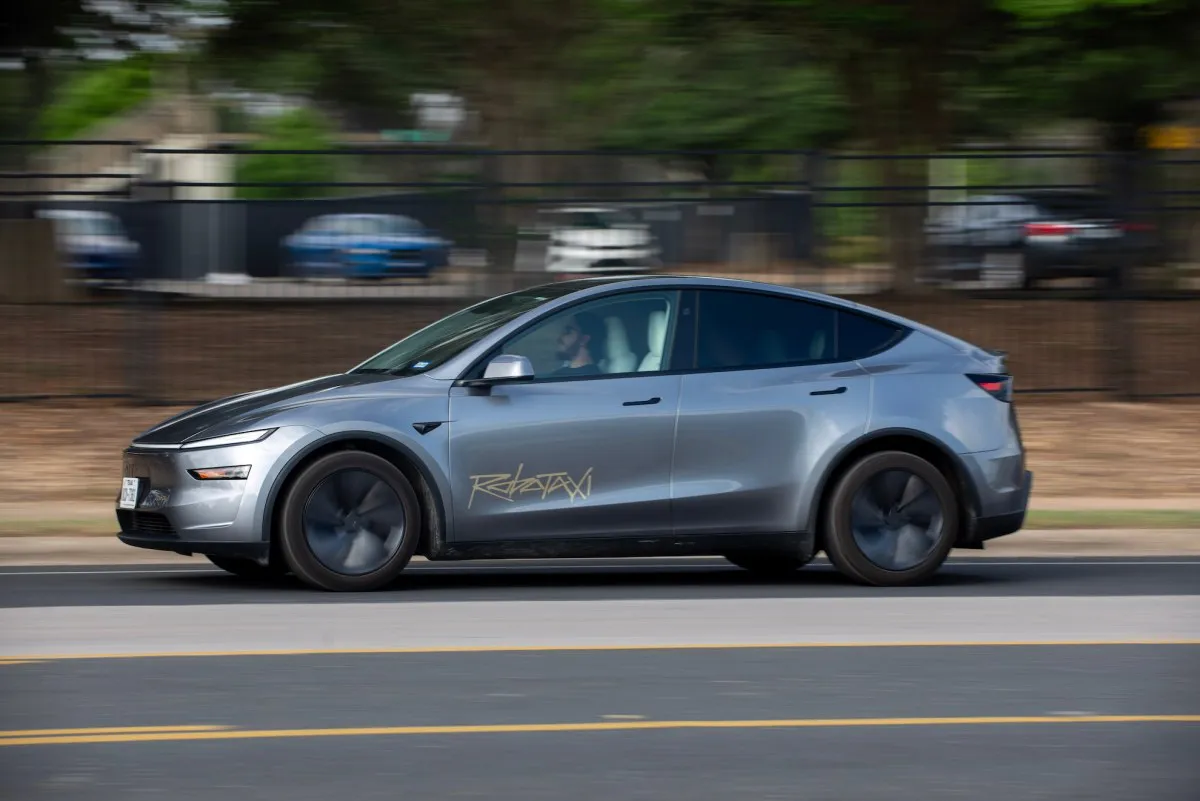
In a bold move to solidify its position in the autonomous vehicle market, Tesla has introduced its unsupervised Model Y robotaxis in Orlando and Tampa, Florida. This strategic rollout comes just ahead of the company’s second-quarter earnings call, signaling a commitment to advancing its robotaxi ambitions amid a competitive landscape. With this expansion, Tesla now tests its innovative ride-sharing technology in three major Florida cities, including a recent launch in Miami.
While the specifics of the robotaxi operations in Orlando and Tampa remain sparse, the initial deployment appears to cover relatively small operational areas. Tesla has not disclosed the number of units involved in these trials, nor has it provided further insights into the timeline for scaling these efforts. This cautious approach contrasts sharply with the high expectations set by CEO Elon Musk, who has previously asserted that Tesla's robotaxi service would serve a significant portion of the U.S. population by the end of 2025.
Growing Robotaxi Operations in Florida
Florida's warm climate and extensive urban areas make it a prime testing ground for autonomous vehicle technology. The recent introduction of Tesla's robotaxi pilots in Orlando and Tampa marks a strategic effort to establish a foothold in the ride-sharing market. Tesla's decision to launch in these cities follows a similar initiative in Miami, where the company is testing the viability of its self-driving technology in a real-world environment.
Challenges and Expectations
Despite the ambitious goals outlined by Musk, Tesla's progress in rolling out its robotaxi service has been slower than anticipated. Earlier this year, during the first-quarter earnings call, Musk tempered expectations regarding the timeline for widespread deployment, acknowledging the complexities involved in launching a fully autonomous fleet. The company had previously announced plans for robotaxi operations in Dallas and Houston but has yet to make significant strides in those markets.
Regulatory Changes and Their Implications
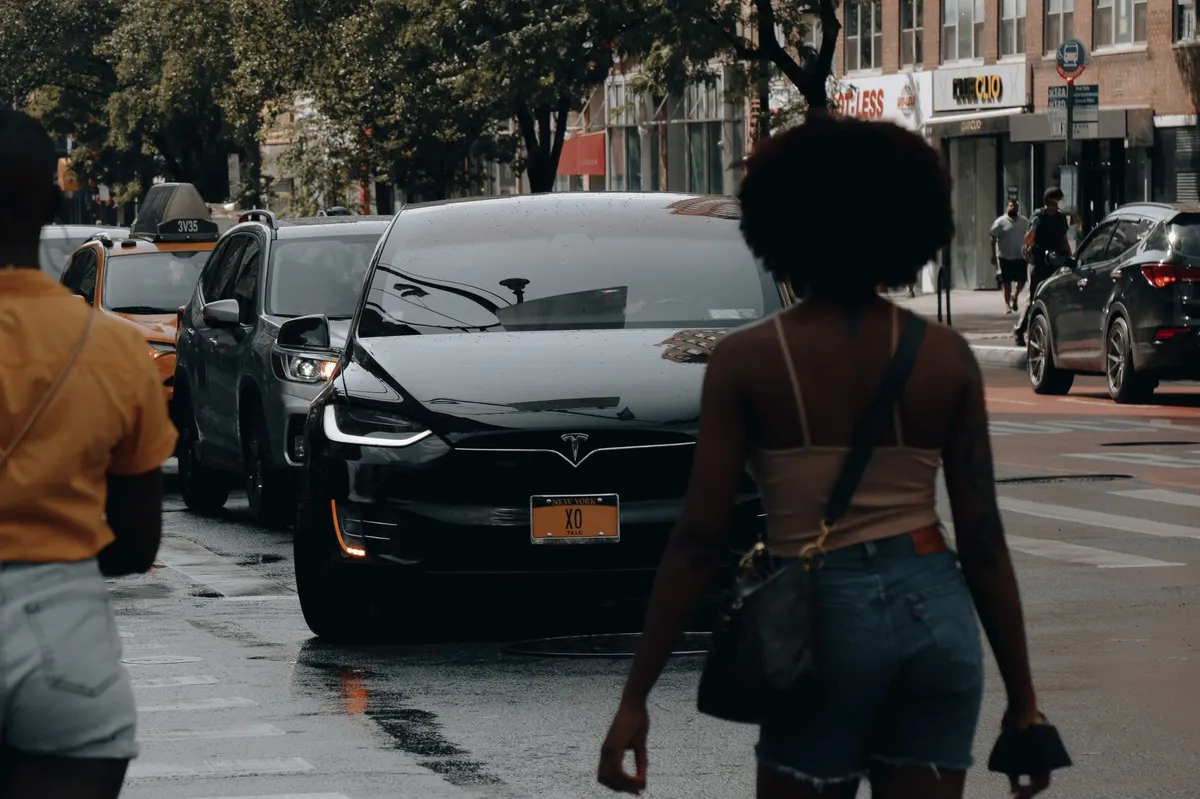
One of the key factors that could impact Tesla's robotaxi plans is the evolving regulatory landscape surrounding autonomous vehicles. Recently, the Trump administration proposed a significant rule change through the Department of Transportation, which would eliminate the requirement for brake pedals in cars designed for autonomous operation. If this rule is adopted, it could pave the way for Tesla to deploy its anticipated two-seater Cybercabs, which have been staged in several cities across the country.
The Road Ahead
While regulatory changes could provide a boost to Tesla’s robotaxi ambitions, the company must also navigate technical and operational challenges. The technology behind fully autonomous vehicles is still being refined, and achieving Level 5 autonomy—where vehicles can operate without human intervention in all conditions—remains a formidable challenge. Tesla’s strategy of incremental testing in controlled environments is a prudent approach as it seeks to gather data and refine its algorithms.
Market Implications and Competitor Landscape
The robotaxi market is becoming increasingly competitive, with several tech companies and traditional automakers investing heavily in autonomous vehicle technology. Companies like Waymo, Uber, and Cruise are also exploring the potential of self-driving cars in urban settings. As Tesla rolls out its pilots in Florida, it must differentiate itself from these competitors, leveraging its existing customer base and brand loyalty.
- Technology Leadership: Tesla's advancements in artificial intelligence and machine learning give it a competitive edge in developing autonomous driving systems.
- Brand Recognition: Tesla's strong brand presence in the electric vehicle market can attract early adopters to its robotaxi service.
- Data Utilization: The company’s extensive data collection from its existing fleet can enhance its autonomous algorithms, improving safety and efficiency.

Key Takeaways
- Tesla has launched robotaxi pilots in Orlando and Tampa as part of its autonomous vehicle strategy.
- Regulatory changes may facilitate the deployment of its two-seater Cybercabs.
- The company faces significant competition in the robotaxi market from established players.
Frequently Asked Questions
What is Tesla's robotaxi service?
Tesla's robotaxi service aims to provide a fleet of fully autonomous vehicles that can operate without a human driver. The service is designed to offer ride-sharing capabilities, allowing users to hail a Tesla vehicle via a smartphone app, similar to traditional ride-sharing services like Uber or Lyft, but with the added benefit of no driver costs.
How does the proposed regulatory change affect Tesla?
The proposed regulatory change by the Department of Transportation that would eliminate the need for brake pedals in autonomous vehicles could significantly impact Tesla's robotaxi plans. This change could allow Tesla to design vehicles specifically for autonomous operation, potentially reducing manufacturing costs and enabling quicker deployment of its robotaxi fleet.
What challenges does Tesla face in scaling its robotaxi service?
Scaling Tesla's robotaxi service involves overcoming multiple challenges, including regulatory hurdles, technological limitations, and market competition. The company must ensure its autonomous driving systems are safe and reliable, navigate local laws regarding ride-sharing operations, and compete against established players in the autonomous vehicle space.
When can we expect Tesla's robotaxi service to be widely available?
While Elon Musk has expressed ambitious timelines for Tesla's robotaxi service, predicting it will serve half the U.S. population by the end of 2025, industry experts suggest that widespread availability will depend on regulatory approvals, technological advancements, and market readiness. Current pilot programs will help assess the feasibility and safety of the service before a full-scale launch.
Comments
Data Centers' Energy Consumption Set to Quadruple by 2035: What It Means for the Future
A recent report highlights that U.S. data centers are projected to consume four times more electricity by 2035, driven by AI advancements. This surge raises crucial questions about infrastructure, energy supply, and sustainability.
Related articles
Popular in Cloud Computing
- SK Hynix's Historic $26.5 Billion IPO: A New Era for Memory Chips
- Kubernetes and the Future of Desktop Infrastructure: A Paradigm Shift
- Amazon Expands Partnership with Nvidia, Tripling GPU Orders Amid AI Demand Surge
- Elon Musk's Evolving Relationship with Anthropic: A New Era for AI Hosting
- Emerging Rocket Launches: A New Era for Space Exploration