Revolutionizing Solar Installation: Gritt's Robotic Solutions and AI Innovations
Gritt emerges from stealth with $32 million in funding to enhance solar panel installation through robotic automation. This innovation addresses labor shortages and boosts efficiency in the renewable energy sector.
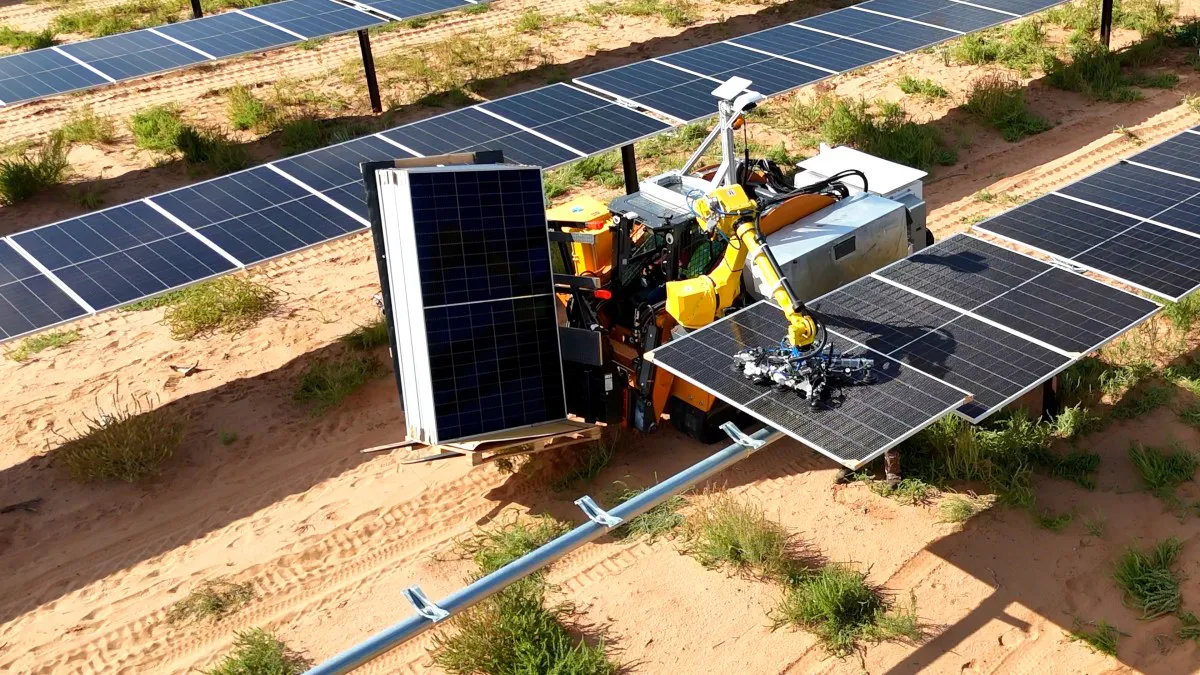
As the world grapples with the urgent need for clean energy, solar power stands out as a crucial component in the transition towards sustainability. However, the rapid expansion of solar installations faces a significant hurdle: a limited workforce capable of meeting the skyrocketing demand. Enter Gritt, a groundbreaking startup that recently emerged from stealth mode with a mission to revolutionize solar energy construction through advanced robotics and artificial intelligence. Having secured $32 million in funding, Gritt is poised to tackle labor shortages while enhancing efficiency in solar panel deployment.
Founded by Puneet Puri and Vishal Dugar, both Carnegie Mellon-trained roboticists, Gritt's core vision revolves around leveraging intelligent systems to expedite infrastructure development. Puri emphasizes that the key to accelerating construction lies in creating adaptable robots that can effectively operate in the chaotic environments typical of construction sites. With an innovative approach that combines off-the-shelf hardware with sophisticated AI models, Gritt aims to redefine the future of solar panel installation.
The Challenge of Labor Shortages in Solar Energy
The renewable energy sector, particularly solar energy, is experiencing unprecedented growth as nations and companies strive for energy independence and sustainability. Despite this growth, the industry faces a significant challenge: a labor shortage that threatens to slow down the installation of solar technologies. With the increasing complexity of solar projects and the rising demand for skilled labor, traditional workforce models are struggling to keep pace.
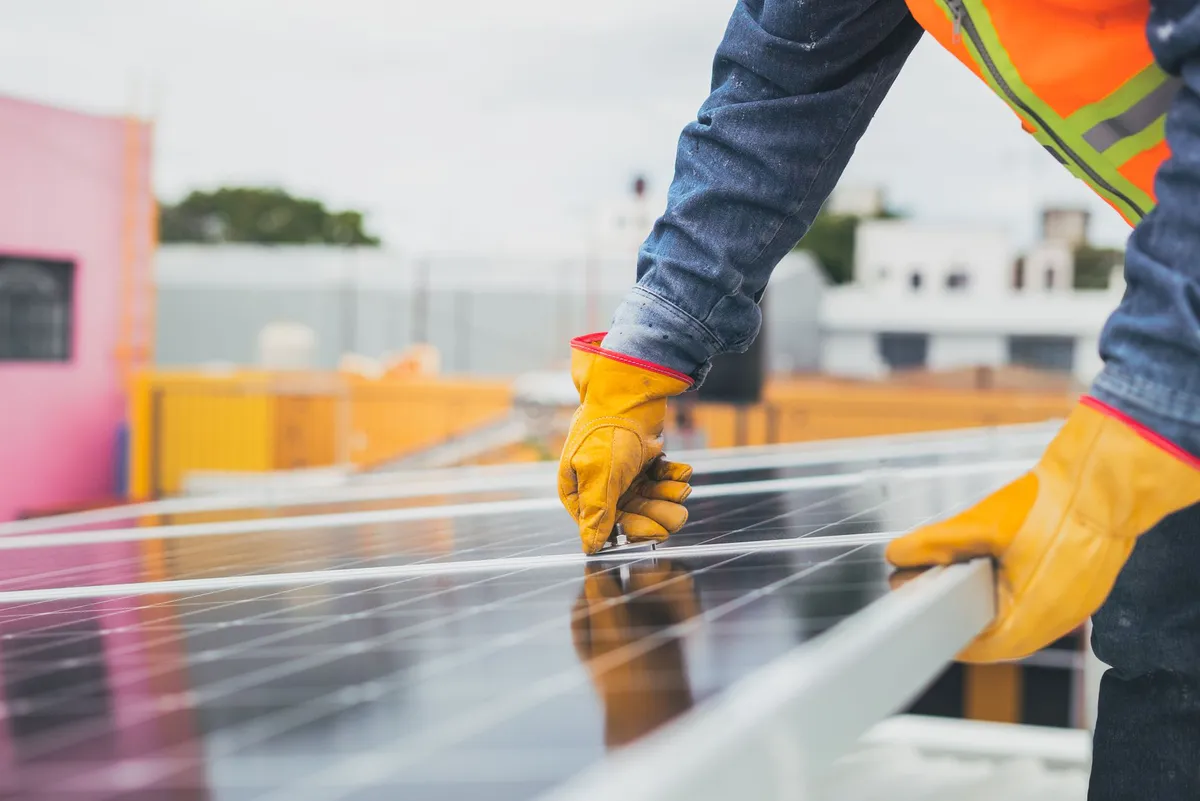
Gritt's introduction of robotic systems into the solar installation process is a potential game-changer. By automating labor-intensive tasks, the startup aims to alleviate some of the stress on a strained workforce while simultaneously increasing productivity. The integration of robots into construction not only promises to boost installation rates but also to enhance safety by reducing the physical demands placed on human workers.
Gritt's Innovative Robotic Solutions
Rather than developing robotics from the ground up, Gritt is utilizing existing hardware solutions, such as robotic arms and skidders from established manufacturers like Kawasaki. This approach allows Gritt to focus on creating an intelligent control system that can effectively manage these machines. The company's current priority is to streamline the process of unloading and positioning solar panels with precision.
Enhancing Installation Efficiency
Gritt's robotic systems have shown remarkable results in the field. Typically, a crew of eight workers can install around 800 solar panels in a day. By integrating Gritt's technology, this same crew is capable of installing between 3,000 and 4,000 panels daily. Such efficiency gains not only maximize output but also significantly decrease labor costs, making solar projects more economically viable.
The Road Ahead: Expanding Capabilities
Gritt is not resting on its laurels. The company has ambitious plans to expand its capabilities beyond panel installation. Future iterations of Gritt's systems will include additional manipulation tasks, such as fastening solar panels, drilling posts, and even constructing the racks that support the solar arrays. Puri envisions a future where Gritt's technology can be applied to a wider range of construction tasks, including labor-intensive activities like rebar tying before concrete is poured.
What underpins Gritt's vision is the rapid advancement of AI. The founders assert that the latest AI models have made it possible to develop systems that can generalize their functions across various tasks. For example, while training a system to stack cinder blocks previously took weeks, adapting the same technology for rebar tying now takes only a day. This adaptability positions Gritt as a frontrunner in a competitive landscape.
Transforming Construction Site Operations
Beyond physical installation, Gritt's technology aims to enhance overall site management and decision-making. The integration of sensors and AI capabilities means that the robotic systems can monitor site conditions and provide critical alerts. For instance, the system could notify workers about an open trench as a storm approaches, prompting them to take necessary precautions to protect the site.
Such proactive features not only add value to construction operations but also contribute to improved safety outcomes. As Gritt's technology becomes more integrated into the construction workflow, the potential for reducing workplace injuries increases, making solar installations safer and more efficient.
Facing the Competition
As Gritt forges ahead with its innovative solutions, it faces competition from other companies in the robotics space, such as Luminous Robotics, Cosmic, and China's Trinabot. These competitors are developing their own hardware solutions, which may present advantages in terms of customization and integration. However, Gritt's strategy of leveraging off-the-shelf components may lead to a leaner and more agile operation, allowing for quicker scaling in response to market demands.
Gritt's success will depend on its ability to differentiate itself in a crowded market and to continually innovate its offerings. As the demand for solar energy grows, so too will the need for efficient, scalable solutions that can meet the challenges of construction in the renewable energy sector.
Key Takeaways
- Gritt has secured $32 million in funding to enhance solar panel installation through robotic automation.
- The startup aims to address labor shortages in the renewable energy sector by improving efficiency and safety.
- Current systems can boost installation rates from 800 to 4,000 panels per day with a typical crew.
- Future capabilities will expand to include various construction tasks beyond just solar panel installation.
- Gritt's use of off-the-shelf hardware may provide a competitive edge in a rapidly evolving market.
Frequently Asked Questions
What is Gritt's primary mission?
Gritt aims to revolutionize solar panel installation through robotic automation. The company seeks to alleviate labor shortages in the solar energy sector by developing intelligent robotic systems that can efficiently handle labor-intensive tasks, thereby increasing productivity and safety on construction sites.
How does Gritt's technology improve installation efficiency?
By integrating advanced robotics and AI, Gritt's systems can significantly enhance installation rates. A typical crew that installs 800 solar panels a day can achieve rates of 3,000 to 4,000 panels when supported by Gritt's robotic solutions, translating to substantial gains in labor efficiency and cost-effectiveness.
What future capabilities does Gritt plan to introduce?
Gritt plans to expand its technology to include various tasks beyond solar panel installation. Future capabilities will involve activities such as fastening panels, drilling posts, and constructing support racks. The company envisions its robots being able to perform multiple construction tasks, making them versatile tools on job sites.
How does Gritt's approach compare to its competitors?
Unlike competitors that focus on developing proprietary hardware, Gritt leverages off-the-shelf components to create its robotic systems. This approach may allow for faster scaling and more cost-effective operations. However, Gritt must continuously innovate to remain competitive in a marketplace that is rapidly evolving with advancements in robotics and AI.
Comments
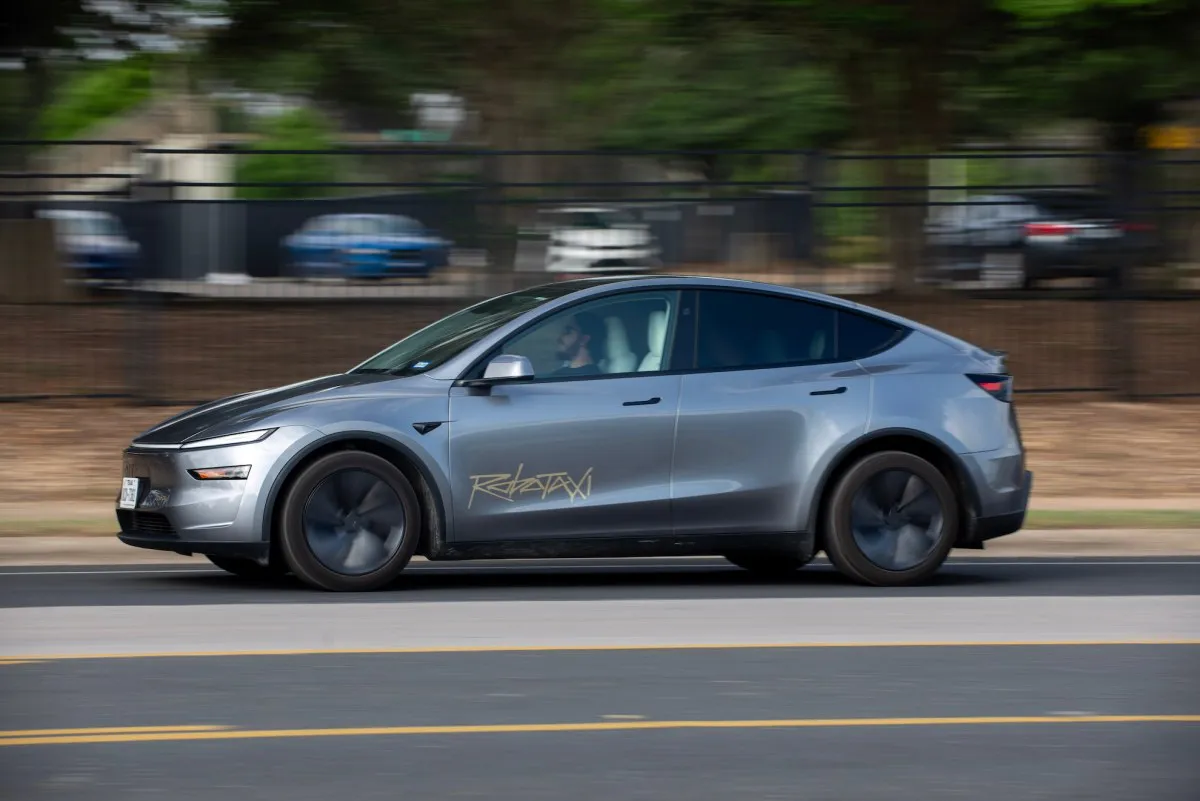
Tesla Expands Robotaxi Trials in Florida Ahead of Earnings Call
Tesla has launched its robotaxi pilot program in Orlando and Tampa, marking a significant step in its autonomous vehicle strategy. This expansion follows a previous trial in Miami and comes as the company prepares for its Q2 earnings report.
Related articles

Popular in Cloud Computing
- SK Hynix's Historic $26.5 Billion IPO: A New Era for Memory Chips
- Kubernetes and the Future of Desktop Infrastructure: A Paradigm Shift
- Amazon Expands Partnership with Nvidia, Tripling GPU Orders Amid AI Demand Surge
- Elon Musk's Evolving Relationship with Anthropic: A New Era for AI Hosting
- Emerging Rocket Launches: A New Era for Space Exploration