Data Centers' Energy Consumption Set to Quadruple by 2035: What It Means for the Future
A recent report highlights that U.S. data centers are projected to consume four times more electricity by 2035, driven by AI advancements. This surge raises crucial questions about infrastructure, energy supply, and sustainability.
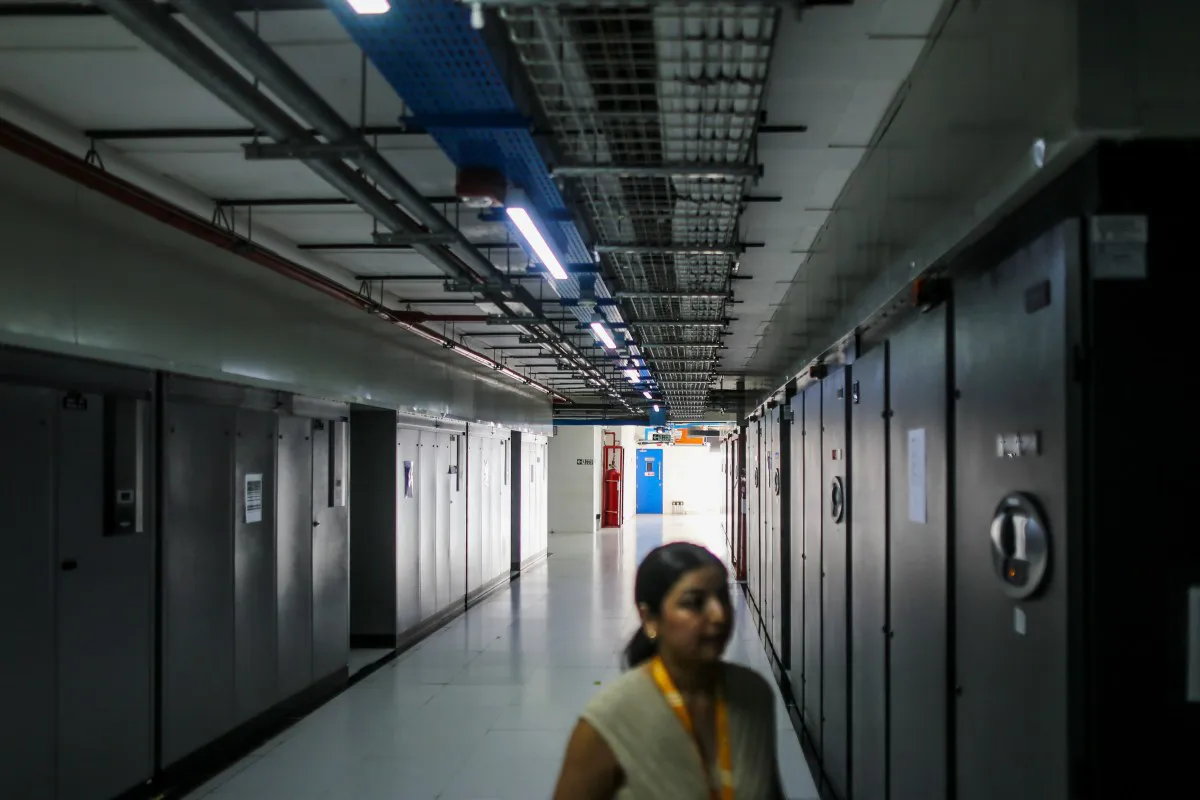
The digital revolution has transformed the way we work, communicate, and live. At the heart of this transformation are data centers, the unsung heroes of the internet age, powering everything from social media to cloud computing and artificial intelligence (AI). However, a recent report from BloombergNEF has sounded the alarm on the future of these data hubs, predicting that by 2035, data centers in the United States will consume four times more electricity than they do today, accounting for an astounding one-fifth of the nation’s electricity production. This growing demand raises significant questions about energy supply, infrastructure, and sustainability.
As AI continues to integrate into various sectors, the report estimates that data center capacity will soar to nearly 200 gigawatts within the next decade. The implications of this shift are profound, especially when considering that nearly half of this capacity will be dedicated to training and inference tasks associated with AI. The U.S. will continue to dominate this space, with projections indicating that 64% of AI chips by power demand will be housed within its borders by 2033. These figures, however, may be conservative, as other organizations have also revised their forecasts upwards, highlighting an urgent need for policymakers and industry leaders to address the impending electricity crunch.
Understanding the Surge: Drivers of Increased Data Center Demand
The exponential growth in data center energy consumption can be attributed to several converging factors:
- AI and Machine Learning: The rise of AI technologies requires significant computational power, which translates to higher energy consumption.
- Cloud Adoption: Businesses are increasingly shifting to cloud services, resulting in more data being processed and stored in centralized data centers.
- IoT Expansion: The Internet of Things (IoT) continues to proliferate, with billions of devices generating vast amounts of data that must be processed in real-time.
- 5G Implementation: The rollout of 5G networks will drive more data traffic, further straining existing data center resources.
As these trends converge, the demand for energy-efficient data center operations becomes more pressing. Yet, the current infrastructure is struggling to keep pace with these demands, particularly in regions already experiencing electrical grid strain.
The Strained Electrical Grid: Current Challenges
Regions such as the PJM Interconnection—a key electric grid that spans Virginia to Illinois—are already feeling the strain. Projections suggest that by 2030, 34% of PJM's electricity will be dedicated to powering data centers. Similarly, the Electric Reliability Council of Texas (ERCOT) anticipates that 22% of its generation capacity will go towards meeting data center demands. Such figures highlight a worrying trend: the infrastructure is not only struggling to support existing demand but is also ill-prepared for the anticipated surge.
The situation has escalated to the point where PJM has temporarily paused new connection applications for four years due to capacity constraints. In April, they reopened the queue for new generating sources, but the backlog and demand have led to increased tensions among utilities, with some like American Electric Power considering withdrawing from the interconnection.
Impact on Energy Prices
The imbalance between supply and demand has already begun to impact electricity prices. Over the past year, prices have surged by 76%, a trend that is likely to continue as data centers compete for limited resources. This escalating cost of electricity not only affects data center operators but also has broader implications for consumers and businesses that rely on digital services.

Global Implications of U.S. Data Center Growth
While the U.S. is poised to lead in AI compute capacity, the global landscape for data centers is also evolving. By 2033, worldwide data centers are projected to generate an additional 1,935 terawatt-hours of electricity demand—almost equivalent to India’s annual usage. This global trend underscores the fact that energy consumption is not solely a U.S. issue but a worldwide challenge that necessitates international collaboration and innovative solutions.
Countries across the globe are investing heavily in their data center infrastructures to meet the growing demand. For instance, regions in Asia and Europe are ramping up efforts to build energy-efficient data centers that utilize renewable energy sources. This competition could lead to technological advancements and push the U.S. to adopt more sustainable practices to maintain its competitive edge.
Strategies for Sustainable Growth
As the data center industry grapples with these challenges, several strategies can help mitigate the impending energy crisis:
- Investing in Renewable Energy: Data centers should transition to renewable energy sources such as solar and wind to reduce their carbon footprint.
- Energy Efficiency Improvements: Upgrading to more energy-efficient hardware and implementing intelligent cooling systems can help minimize energy consumption.
- Regulatory Support: Policymakers must create incentives for energy-efficient technologies and support the development of smart grids.
- Decentralization: Encouraging the development of smaller, localized data centers can reduce the strain on major grids and improve energy distribution.
By adopting these measures, the industry can work towards a more sustainable future while meeting the demands of an increasingly digital world.
Key Takeaways
- Data centers in the U.S. are projected to consume 20% of the country’s electricity by 2035.
- Nearly half of the anticipated data center capacity will be dedicated to AI applications.
- Existing electrical grids are already strained, with significant implications for energy prices.
- Global demand for electricity from data centers is expected to match that of major economies like India by 2033.
- Sustainable practices and renewable energy investments are critical for future growth.
Frequently Asked Questions
What are data centers, and why are they important?
Data centers are facilities that house computer systems and associated components, such as telecommunications and storage systems. They are crucial for the operation of cloud computing, internet services, and enterprise applications. As our reliance on digital services grows, the importance of data centers in ensuring smooth operations cannot be overstated.
How does increased data center electricity consumption impact consumers?
As data centers consume more electricity, there is a direct correlation with rising energy prices. This increase can lead to higher costs for consumers, particularly those who rely heavily on digital services. Additionally, if the infrastructure is unable to support demand, it can lead to service outages and degraded performance of online services.
What steps can data center operators take to become more energy-efficient?
Data center operators can implement a range of energy efficiency measures, including upgrading to energy-efficient servers, optimizing cooling systems, and using virtualization technologies to maximize server utilization. Investing in renewable energy sources and participating in demand response programs can also help manage energy consumption more effectively.
What role do policymakers play in addressing the data center energy crisis?
Policymakers have a crucial role in creating a regulatory environment that encourages investment in energy-efficient technologies and renewable energy sources. They can also facilitate the development of smart grids to improve energy distribution and reliability. By supporting innovation and sustainability initiatives, policymakers can help ensure that the growing demand for data centers does not compromise energy availability.
Comments
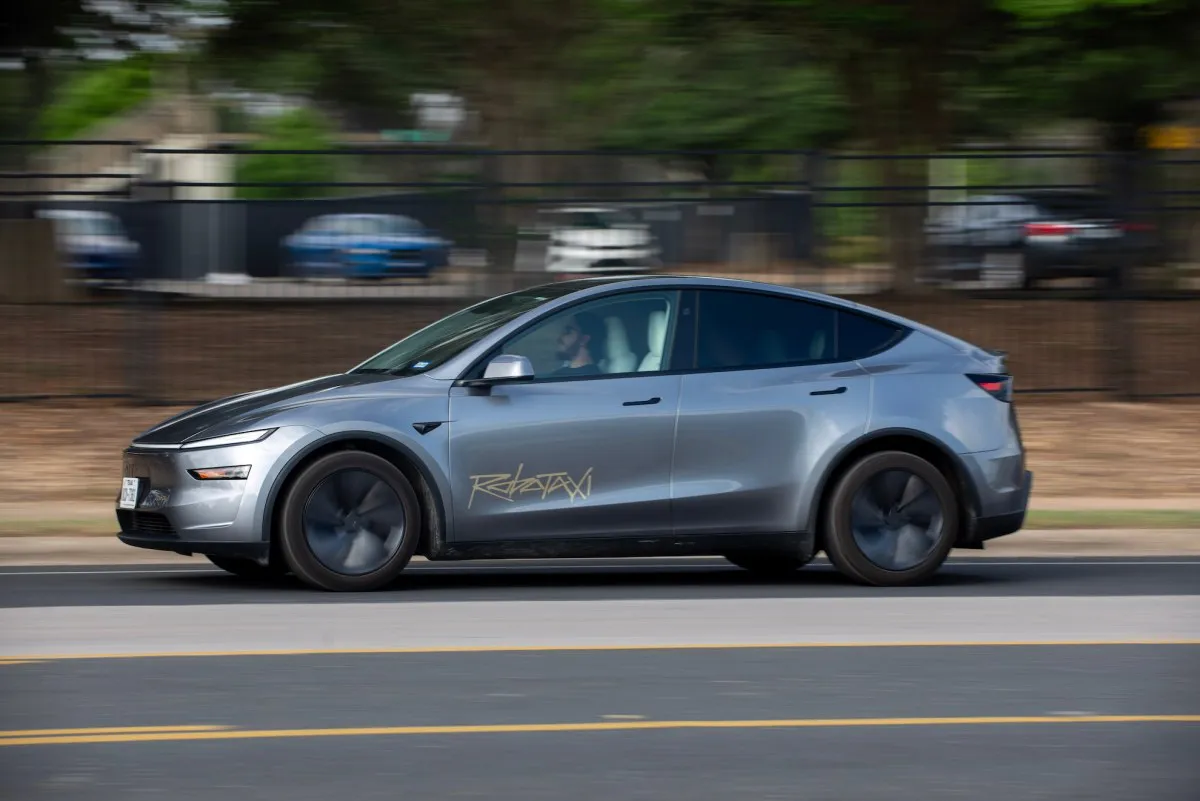
Tesla Expands Robotaxi Trials in Florida Ahead of Earnings Call
Tesla has launched its robotaxi pilot program in Orlando and Tampa, marking a significant step in its autonomous vehicle strategy. This expansion follows a previous trial in Miami and comes as the company prepares for its Q2 earnings report.
Related articles


Popular in Cloud Computing
- SK Hynix's Historic $26.5 Billion IPO: A New Era for Memory Chips
- Kubernetes and the Future of Desktop Infrastructure: A Paradigm Shift
- Amazon Expands Partnership with Nvidia, Tripling GPU Orders Amid AI Demand Surge
- Elon Musk's Evolving Relationship with Anthropic: A New Era for AI Hosting
- Emerging Rocket Launches: A New Era for Space Exploration