Sila Secures $300M to Boost Battery Production Amid EV Market Challenges
Sila, a leading battery materials startup, has raised $300 million to expand its Washington state factory, aiming to produce anode materials for over 100,000 electric vehicles. This investment comes amid a slowdown in U.S. EV demand, highlighting the ongoing evolution of the electric vehicle market.
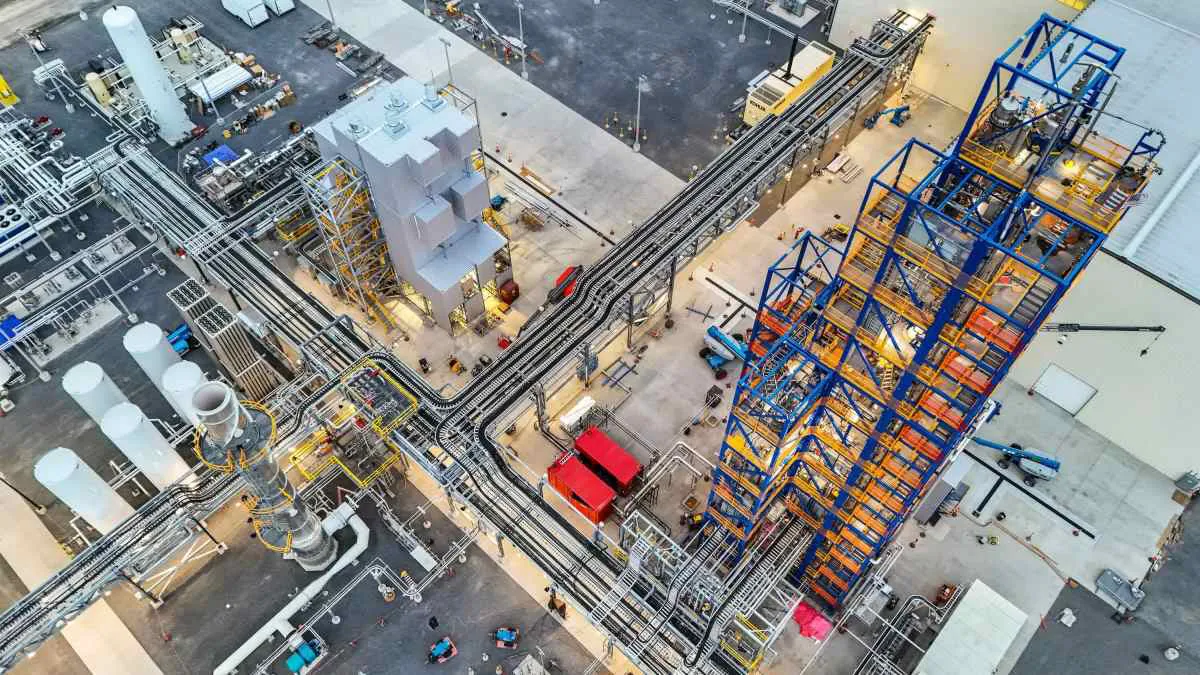
The electric vehicle (EV) industry is at a critical juncture, faced with fluctuating demand and intense competition. In this landscape, battery materials startup Sila has announced a significant milestone: the successful raising of $300 million in financing to expand its factory in Moses Lake, Washington, aimed at producing anode materials for over 100,000 electric vehicles. This investment not only underscores Sila's commitment to revolutionizing battery technology but also highlights the broader challenges and opportunities within the rapidly evolving EV sector.
The funding comes at a time when U.S. EV sales have seen a downturn, largely attributed to political decisions and the expiration of federal tax incentives that previously spurred consumer purchasing. However, while domestic sales may be struggling, global demand for electric vehicles continues to surge, with a reported 27% year-over-year increase in sales according to Benchmark Minerals Intelligence. This juxtaposition raises interesting questions about the future of battery technology and the role that companies like Sila will play in shaping the market.
Understanding Sila's Unique Position in the Market
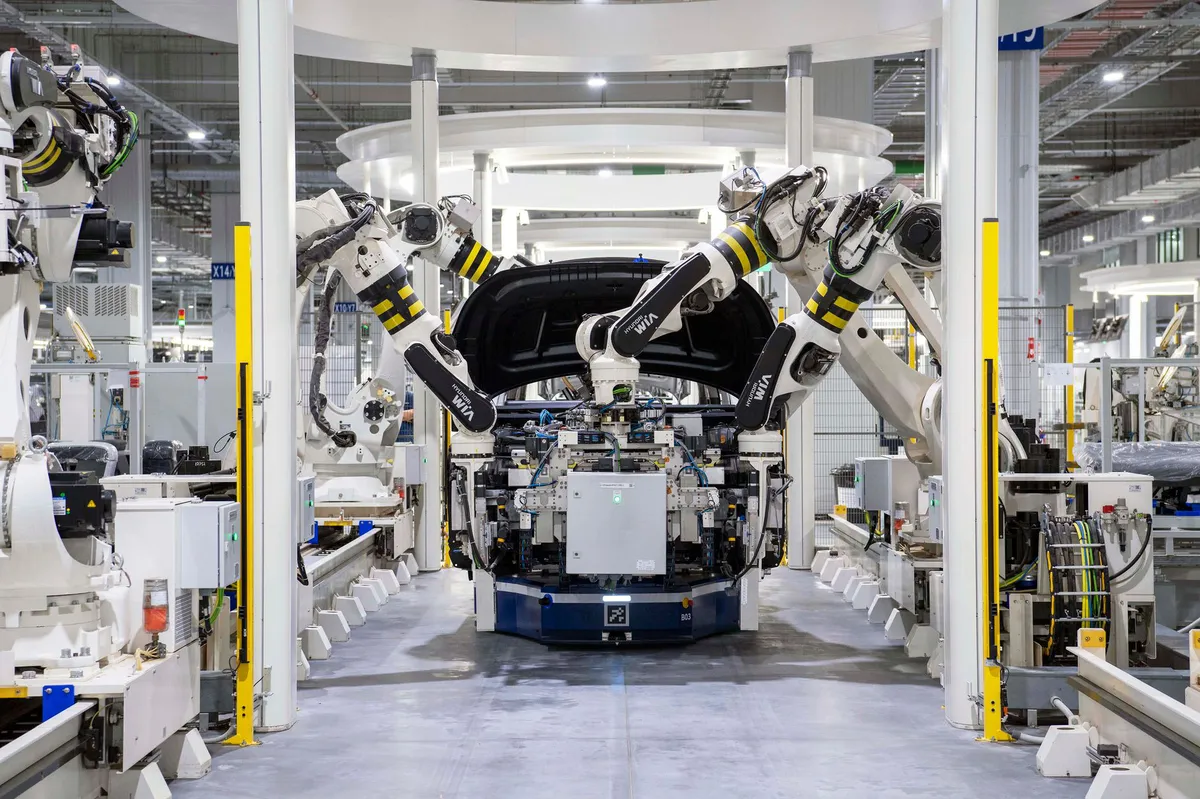
Sila's innovative approach centers around the development of silicon-carbon anode materials, which offer several advantages over traditional graphite-based anodes commonly found in lithium-ion batteries. The company's technology allows for energy storage capacities that are up to 40% greater than conventional anodes, providing a crucial edge in an industry where efficiency and performance are paramount.
The Transition from Graphite to Silicon-Carbon
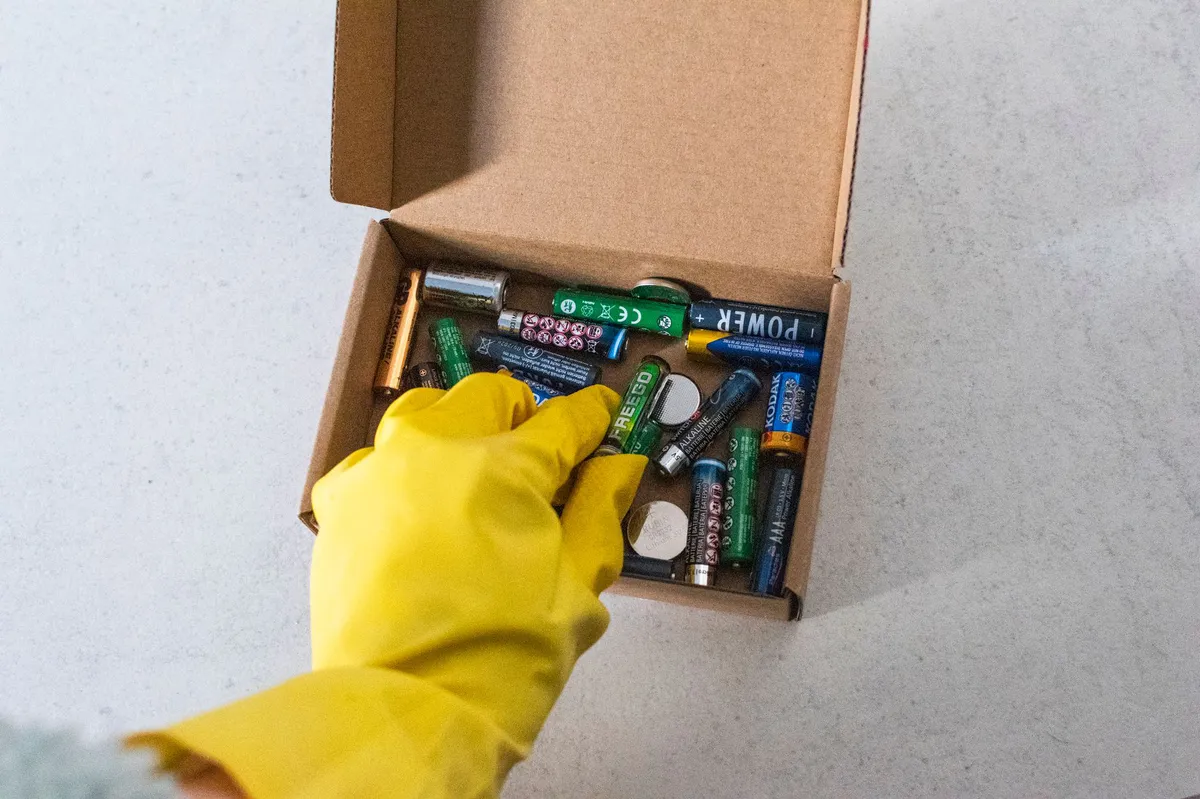
Most lithium-ion batteries rely on graphite anodes, and the supply chain for these materials is heavily dominated by Chinese manufacturers, who control approximately three-quarters of the market. This heavy reliance on a single geographical source has driven automakers outside of China to seek alternatives that are not subject to tariffs and trade uncertainties. Sila’s anode material stands out as one of the few viable options available in sufficient quantities, paving the way for a diversified supply chain that enhances energy security for manufacturers.
Expanding Production Capabilities
Sila's factory expansion is no small feat. The current facility is capable of producing up to 2 gigawatt-hours of silicon-carbon anode material per year, a figure that will significantly increase with the new funding. The planned expansion aims to scale production to tens of gigawatt-hours annually, a move that would enable the company to power over 100,000 EVs each year.
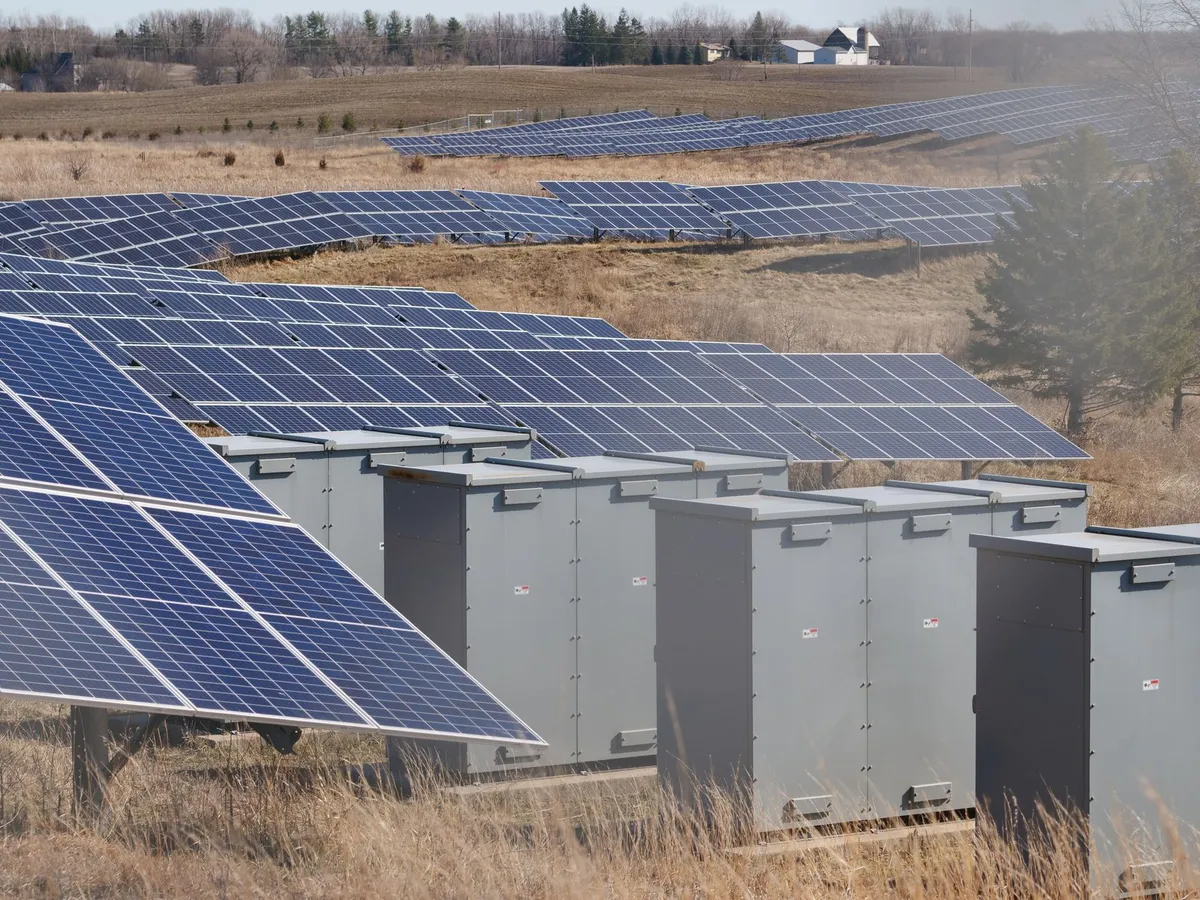
This expansion aligns with the growing demand for energy storage solutions, which are becoming increasingly critical as renewable energy sources gain traction. Battery packs are not only essential for powering vehicles but also for stabilizing power grids, providing backup energy, and optimizing the use of solar and wind power. AI data centers, for instance, have emerged as major consumers of grid-scale batteries, driving further demand for innovative battery solutions.
Investor Confidence Amid Market Uncertainties
The recent funding round was led by Atreides Management and Sutter Hill Ventures, with participation from notable investors such as 8VC, Bessemer Venture Partners, and T. Rowe Price Associates Inc. This confidence from investors suggests a strong belief in Sila's potential to capitalize on the growing market for advanced battery materials, despite the current headwinds faced by the EV industry in the U.S.
To date, Sila has raised approximately $1.3 billion across multiple funding rounds, a testament to its innovative approach and the increasing interest in the battery materials sector. The company has already established partnerships with automotive giants like Mercedes and Panasonic, as well as with companies in the consumer electronics and aerospace sectors, further solidifying its position within the industry.
Implications for the Future of the EV Market
The funding and subsequent expansion of Sila's production capabilities have significant implications for the broader EV market. As automakers and battery manufacturers continue to adapt to changing consumer preferences and regulatory landscapes, the shift toward more efficient and sustainable battery materials will be crucial.
With global sales of electric vehicles on the rise, companies that can provide alternative materials and technologies will likely thrive. Sila’s focus on silicon-carbon anodes positions it well to meet the growing demand for high-performance batteries, making it an important player in the transition to electric mobility.
Key Takeaways
- Sila has raised $300 million to expand its battery materials factory in Washington.
- The expansion will enable production of enough anode materials for over 100,000 electric vehicles.
- Global EV sales are up 27% year-over-year, despite a slowdown in the U.S.
- Sila's silicon-carbon anode technology offers 40% more energy storage than traditional graphite.
- The company has established partnerships with major automakers and tech firms, enhancing its market position.
Frequently Asked Questions
What is Sila's main product and how does it differ from traditional battery materials?
Sila specializes in the production of silicon-carbon anode materials, which differ from traditional graphite anodes by offering significantly higher energy storage capacities—up to 40% more. This advancement allows batteries to charge faster and hold more energy, making them more efficient for electric vehicles and other applications.
How does Sila's expansion impact the EV market?
The expansion of Sila's production facilities is expected to bolster the availability of high-performance battery materials, which can alleviate supply chain issues currently faced by EV manufacturers. As demand for electric vehicles grows globally, having access to alternative materials that are not reliant on Chinese suppliers will be crucial for sustaining production and meeting consumer needs.
Who are Sila's major partners and customers?
Sila has formed strategic partnerships with several high-profile companies, including automotive manufacturers like Mercedes and Panasonic. Additionally, it supplies battery materials to consumer electronics firms and firms in the aerospace sector, highlighting its versatility and the wide-ranging applications of its technology beyond just electric vehicles.
Comments
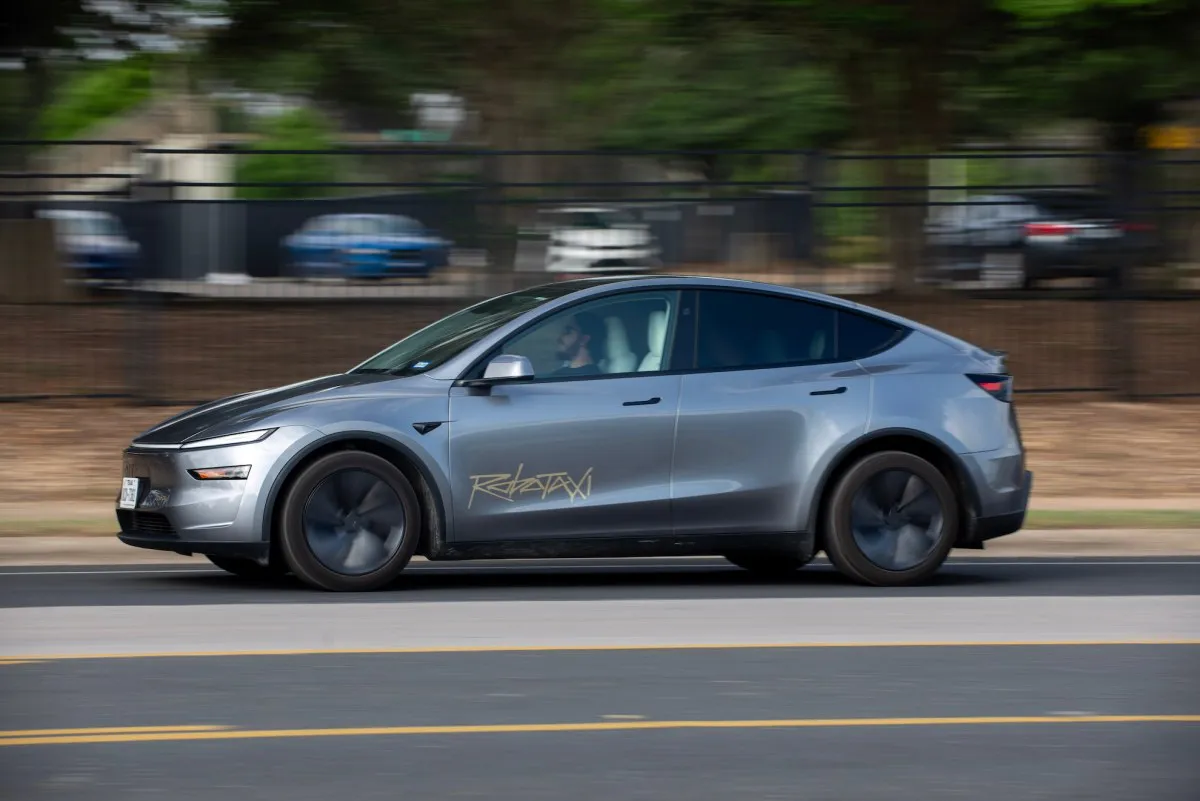
Tesla Expands Robotaxi Trials in Florida Ahead of Earnings Call
Tesla has launched its robotaxi pilot program in Orlando and Tampa, marking a significant step in its autonomous vehicle strategy. This expansion follows a previous trial in Miami and comes as the company prepares for its Q2 earnings report.
Related articles

Popular in Cloud Computing
- SK Hynix's Historic $26.5 Billion IPO: A New Era for Memory Chips
- Kubernetes and the Future of Desktop Infrastructure: A Paradigm Shift
- Amazon Expands Partnership with Nvidia, Tripling GPU Orders Amid AI Demand Surge
- Elon Musk's Evolving Relationship with Anthropic: A New Era for AI Hosting
- Emerging Rocket Launches: A New Era for Space Exploration