The Amur Rocket: Russia's Long-Awaited Answer to Falcon 9 Faces Delays
As Russia moves to develop the Amur rocket, its timeline has been pushed back significantly. This article explores the implications of these delays for Russia's space ambitions and the global launch market.
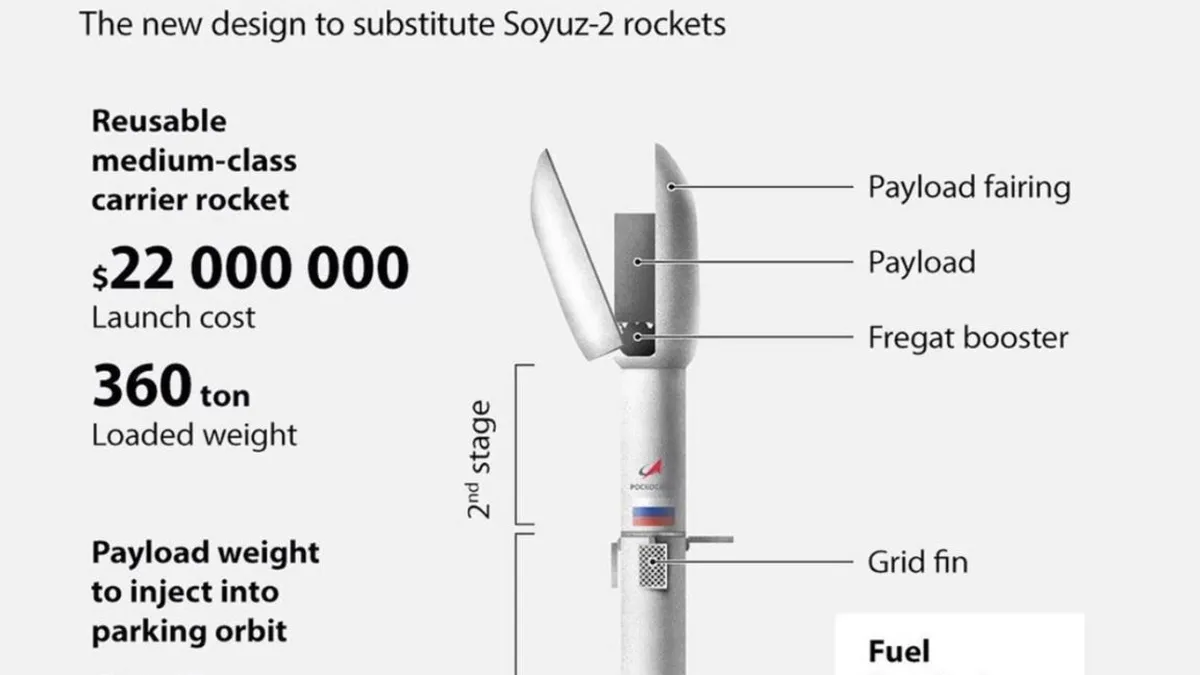
The race to dominate the commercial space launch market is heating up, as countries like China and the United States continue to make significant strides in reusable rocket technology. In this landscape, Russia, a historical giant in space exploration, is attempting to re-enter the conversation with its ambitious Amur rocket program. However, recent announcements from Russian space officials indicate that the timeline for the Amur rocket has been pushed back considerably. With the initial goal set for a 2026 debut now shifted to possibly 2031, stakeholders are left wondering whether Russia can still compete in this rapidly evolving sector.
The Amur rocket, designed to rival SpaceX's Falcon 9, was first introduced by Roscosmos, Russia's state-backed space corporation, in 2020. Intended to be a game-changer in the realm of orbital launches, the Amur aims to utilize a reusable first stage powered by methane engines, capable of transporting 10.5 metric tons to low-Earth orbit. Yet, the latest updates paint a picture of a program struggling to gain momentum amidst increasing competition and technical challenges.
The Initial Promise of the Amur Rocket
When the Amur rocket was announced, it was heralded as a significant advancement for Russian space technology. The plan was to develop a reusable rocket that could not only meet domestic needs but also compete on the global stage. The Falcon 9, designed by SpaceX, has set a benchmark for reliability and cost-effectiveness in space launches, prompting Roscosmos to respond with its own state-of-the-art vehicle.
Technical Specifications and Goals
The Amur rocket is designed to feature:
- Reusable first stage: Aimed at reducing launch costs and increasing flight frequency.
- Methane-powered engines: Expected to provide a more efficient fuel option compared to traditional kerosene.
- Payload capacity: Capable of delivering 10.5 metric tons to low-Earth orbit, making it versatile for various missions.
The expectations surrounding the Amur rocket were high, with initial plans for its first flight in 2026. However, as time has passed, the reality of the project has proven more complex than anticipated.
Delays and Uncertain Future
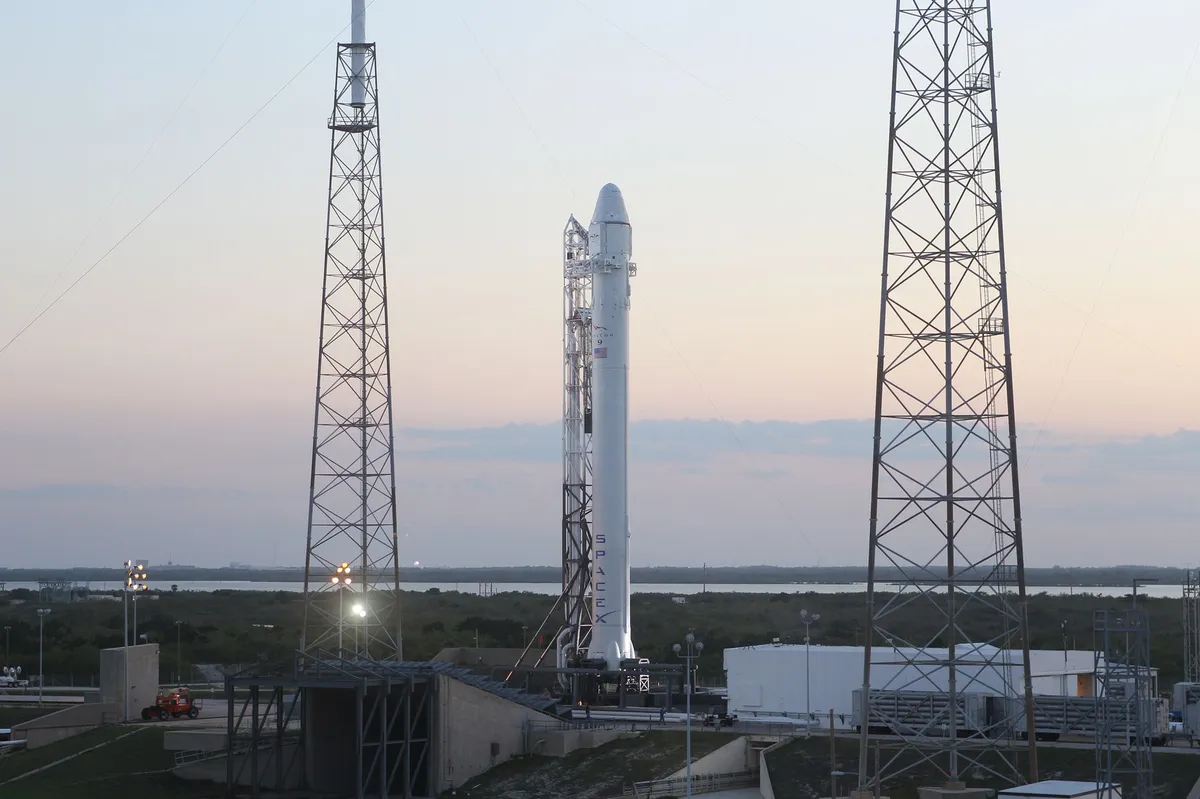
Recent statements from Dmitry Baranov, Roscosmos’ Deputy Director General for Rocket Programs, reveal that the development of the Amur rocket is currently focused on creating a demonstration vehicle for the first stage. This vehicle, likely inspired by SpaceX’s Grasshopper, is intended for testing the rocket’s capabilities. Notably, these tests are not expected to commence until 2028—a full two years later than previously stated timelines.
Testing Phases Planned
The planned testing phases include:
- **First Test:** The hopper vehicle will ascend to an altitude below 1 km with its engine operational throughout the flight before returning to the launch site.
- **Second Test:** An ambitious test where the vehicle will launch to an altitude of 10 km, shut off its engine, and then restart it to land safely on deployable legs.
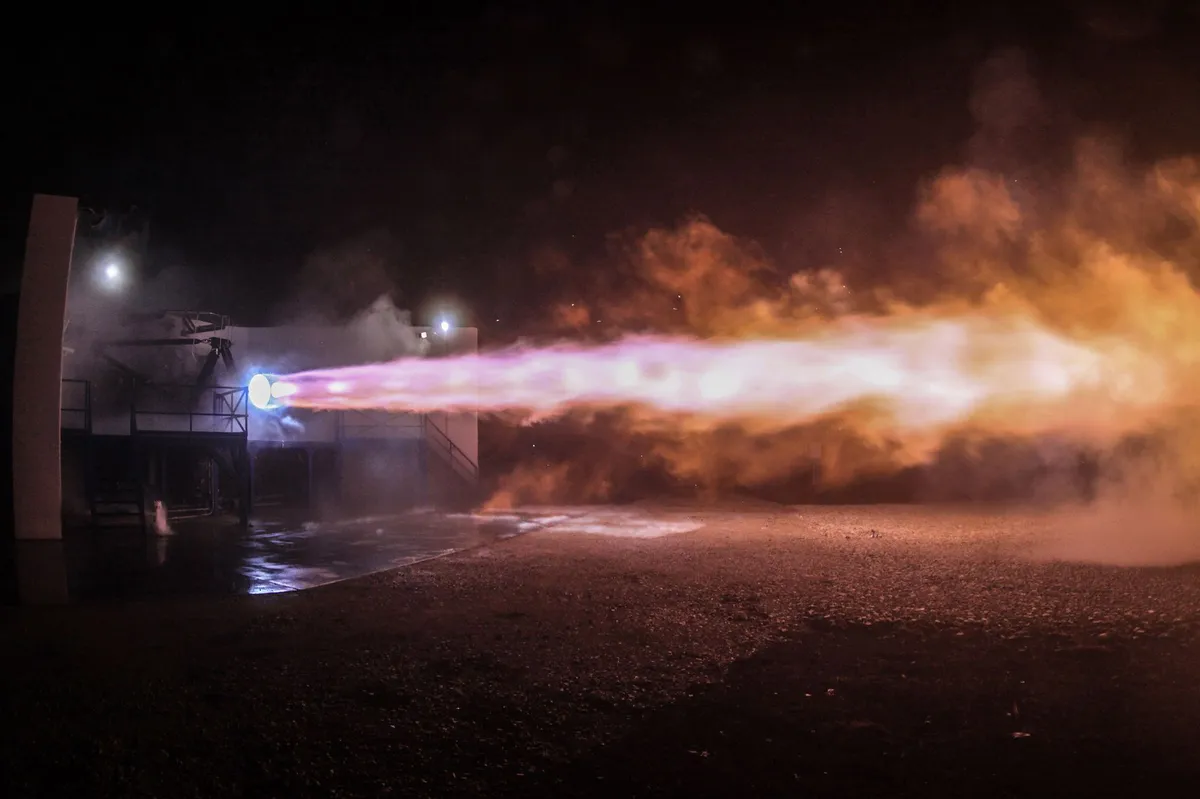
While these tests are essential to validate the rocket's technology, they also indicate a significant delay in the overall timeline. Furthermore, the RD-0169A rocket engine, which is to power the Amur, is still in the preliminary stages of testing—a crucial component that must be perfected before any flights can occur.
Comparative Timeline with Global Competitors
To contextualize the Amur program's delays, it is essential to look at the developments of competitors like SpaceX and Blue Origin. SpaceX has successfully launched and landed its Falcon 9 rockets multiple times, showcasing an operational model that emphasizes reusability and cost reduction. As of now, SpaceX conducts launches almost weekly, with significant contracts from NASA and commercial partners.
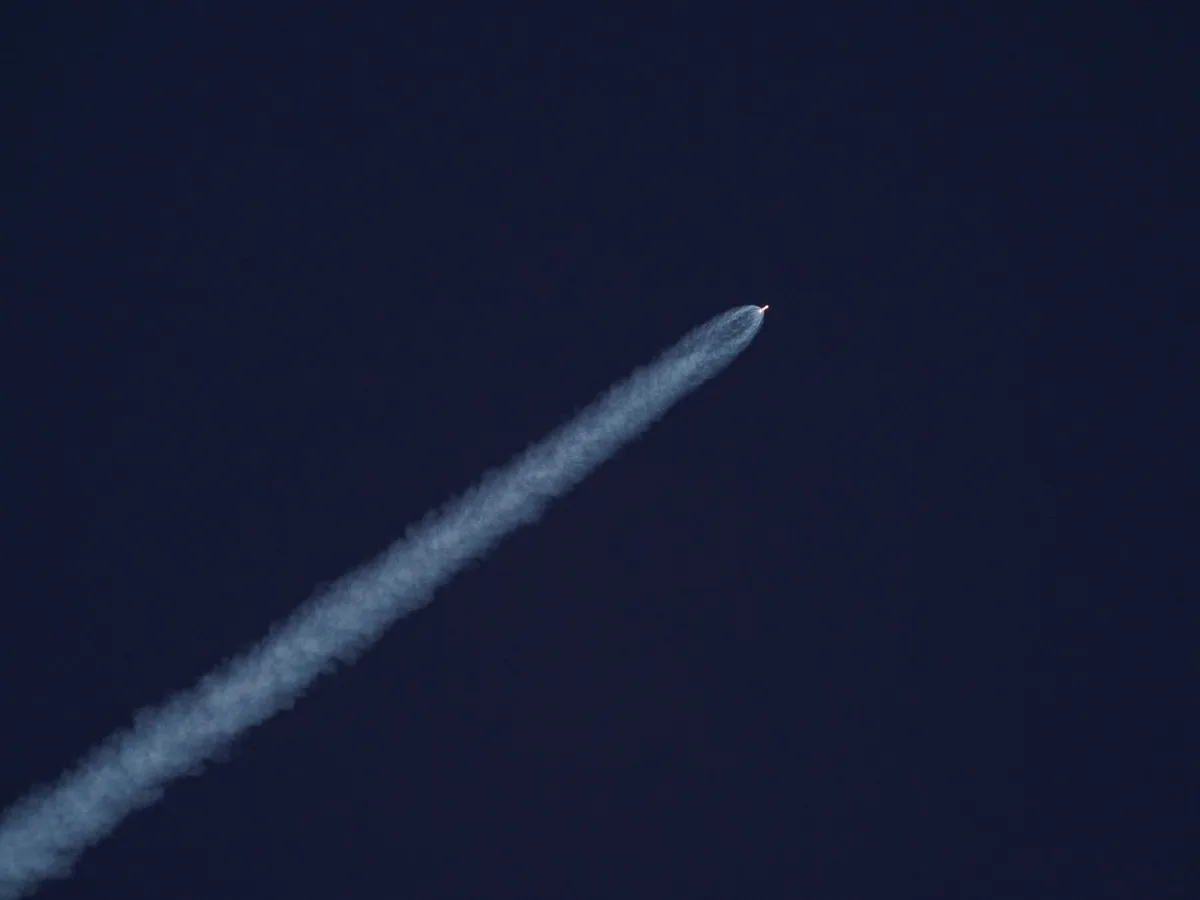
In contrast, the Amur rocket is now projected to begin flight tests in 2031, a full five years later than its original schedule. This means that by the time the Amur is ready for its inaugural flight, SpaceX will have had over two decades to refine and improve its technology since the Falcon 9’s first successful landing in 2015.
The Stakes for Russia's Space Program
The implications of the Amur rocket's delays extend beyond just timelines; they pose significant questions about Russia's role in the global space industry. The Soyuz 2 rocket, currently the backbone of Russia's space launch capabilities, has served the country well but is now facing increasing competition from both established players and new entrants in the commercial space sector.
Potential Impact on International Collaborations
As the United States and private companies like SpaceX push forward with their advancements, the gap between Russia and these leaders continues to widen. The Soyuz 2 is still relied upon for crew and cargo missions to the International Space Station (ISS), but as other nations develop their capabilities, Russia risks losing its status as a key player in international space collaborations.
Commercial Opportunities at Stake
With companies like SpaceX and Rocket Lab capitalizing on the growing demand for satellite launches, Russia's delays in developing the Amur rocket could lead to missed commercial opportunities. The global launch market is expected to grow significantly, driven by the increasing number of satellites being deployed for telecommunications, Earth observation, and scientific research. If Russia cannot deliver a competitive product like the Amur, it risks falling behind in this lucrative market.
Key Takeaways
- Russia's Amur rocket program is facing significant delays, with flight tests now not expected until 2031.
- The rocket is designed to compete with SpaceX's Falcon 9, featuring a reusable first stage and methane engines.
- Delays in testing could hinder Russia's competitiveness in the rapidly evolving global launch market.
- Russia's current workhorse, the Soyuz 2, remains in service but is under increasing pressure from international competitors.
Frequently Asked Questions
What are the main features of the Amur rocket?
The Amur rocket is designed to feature a reusable first stage, powered by methane engines, with a payload capacity of 10.5 metric tons to low-Earth orbit. These specifications aim to position the Amur as a competitive alternative to SpaceX's Falcon 9, which has set a high standard in the commercial launch market.
Why has the timeline for the Amur rocket been delayed?
Delays in the Amur rocket's timeline can be attributed to technical challenges in developing the rocket's first stage and engine. The focus has shifted to creating a demonstration vehicle for initial testing, which has pushed back the expected timeline for flight tests to 2031. This reflects the complexities involved in aerospace engineering and the need for rigorous testing to ensure safety and reliability.
How does the Amur rocket compare to other rockets in the market?
The Amur rocket is designed to compete directly with established players like SpaceX and Blue Origin. However, while SpaceX has successfully demonstrated the viability of reusable rocket technology through frequent launches, the Amur program's delays may hinder its ability to capture market share. The competitiveness of the Amur will largely depend on its performance during future tests and its ability to meet the evolving needs of the commercial space market.
Comments
The Space Development Agency: Navigating Challenges and Future Prospects
The Pentagon's Space Development Agency faces delays and restructuring as it launches its first operational satellites amid growing military needs. This article explores the agency's mission, challenges, and future within the U.S. Space Force.
Related articles


Popular in Cloud Computing
- SK Hynix's Historic $26.5 Billion IPO: A New Era for Memory Chips
- Kubernetes and the Future of Desktop Infrastructure: A Paradigm Shift
- Amazon Expands Partnership with Nvidia, Tripling GPU Orders Amid AI Demand Surge
- Elon Musk's Evolving Relationship with Anthropic: A New Era for AI Hosting
- Emerging Rocket Launches: A New Era for Space Exploration